
For twenty days every fall, the city of Quibdó, Colombia comes alive with color, music, and rumba at the San Pacho Festival. People travel from across the country to the Department of Chocó to witness the spectacle – weeks on end of non-stop chirimía music, celebration, and ever-flowing viche in the name of the city’s patron saint, San Francisco de Asís.
But San Pacho is much bigger than a religious observance. The festival is a celebration of the Afrocolombian identity that is at the core of this region, a recognition of the resilience, creativity, and strength of the chocoano people. In a region of Colombia often associated with violence and instability, San Pacho celebrates the joy that can be found even in the most challenging places.
I had the honor to visit the San Pacho Festival in September of 2025, at the invitation of mi amigo chocoano Enrique. During the three days I spent at the festival, I experienced enough rumba, celebration, and cerveza to last a lifetime, but also witnessed the deep pride of Chocó.
However, despite San Pacho’s UNESCO recognition as a Intangible Cultural Heritage of Humanity, the festival is still relatively unknown – even on a local scale. Visiting as a foreigner is especially uncommon, but something I would highly recommend. The department of Chocó is a region that has long gone underserved, and visiting San Pacho is one of the best ways to celebrate the richness of the area.
That’s why I’ve put together this guide to San Pacho, from the history of the event to everything you need to know to visit this extraordinary celebration for yourself.
This site uses affiliate links to share products that I use and love! If you click on one of the links I may receive a small commission at no additional cost to you. This helps keep my site up and running — thank you!
Colombia Quick Links
✈️ Flights – Use Kiwi.com or WayAway to find the cheapest and fastest flights to Colombia
🛏️ Accommodation – Find the best places to stay throughout Colombia on Booking.com and Hostelworld.com
✅ Get Insured – I personally use Safety Wing Nomad Insurance for my travels all around the world! VisitorsCoverage is another great option.
🚗 Rent a Car – Find the best deals for a Colombia road trip on RentalCars.com
🗺️ Find Things to Do – Check out Get Your Guide, Viator, and Tripadvisor for exciting adventures all around Colombia
☎ Buy a Sim – Airalo offers eSIMS for over 200 countries and regions
Planning to spend more time in Colombia? Check out my 3-week Colombia itinerary!
San Pacho Video
I had the privilege to visit San Pacho in 2025 and made a short documentary about the whole experience! I’d love it if you gave it a watch to dive deeper into the colors, sounds, and energy of San Pacho.
What is the San Pacho Festival in Quibdó, Colombia?
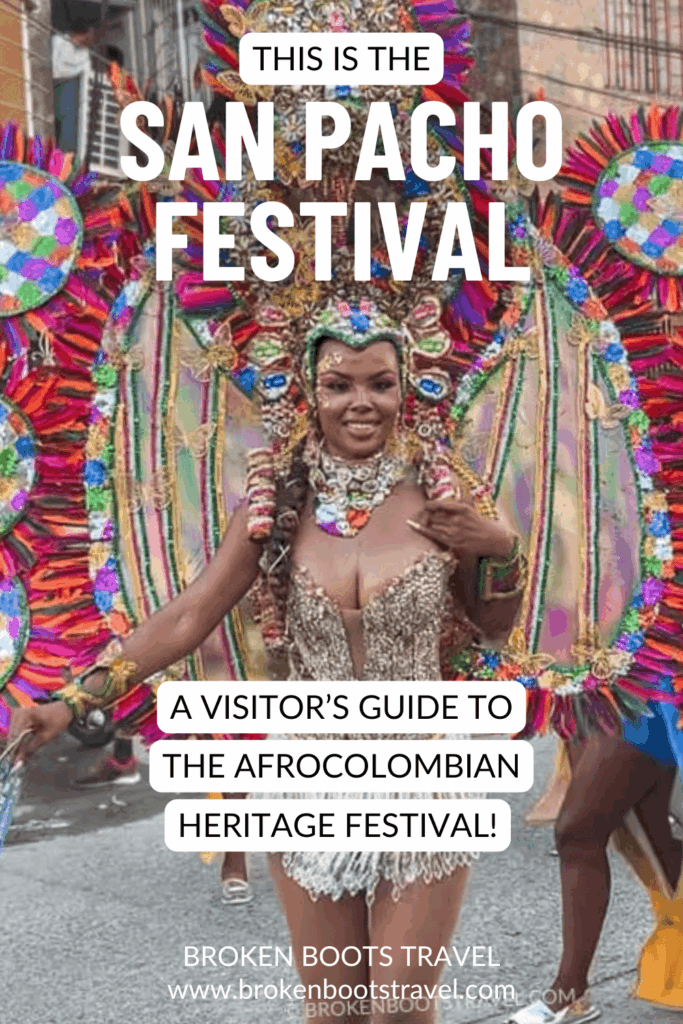
The San Pacho Festival is one of the most notable celebrations in Colombia. The event takes place in the city of Quibdó from September 3rd to October 5th annually, in honor of the city’s patron saint of San Francisco de Asisi. The festival combines a little bit of everything – music, dance, and traditional food – and is perhaps the greatest representation of the Afrocolombian identity in Colombia.
Now ironically, the San Pacho Festival actually began as a conversion attempt by Franciscan missionaries in the year 1648. The Pacific region of Colombia has historically been occupied by a number of indigenous communities, and the original San Pacho Festival had a much more somber vibe, centered around worship and devotion.

However, during the 17th century, the population changed drastically as African slaves were brought in the masses to work in gold mines of the region. The department also became a refuge for escaped slaves, who built palenques, or safe communities, in the dense jungles of the Pacific. These days, afrocolombians make up over 80% of the population in the department of Chocó.
As a result, the San Pacho festival gradually changed over time, reclaimed by the Afrocolombian population as their own. These days, the festival combines many elements of afrocolombian identity in its month-long celebration – from traditional African garb to dances and rhythms descended from the slaves brought to the region.
These days, San Pacho is one of the largest celebrations in the country, and a globally recognized UNESCO Intangible Heritage Festival. The festival still maintains many of its religious roots, with a daily Franciscan mass and an icon of the saint carried down the river on the final day of the festivities. However, San Pacho is also a celebration of joy in the face of adversity, of an identity deeply shaped by the struggle and resilience of the Pacific region.
Did you know: Palenques existed all over Colombia during the colonial era. In fact, if you’re visiting the city of Cartagena, you can actually take a day trip to San Basilio de Palenque, the first free town in the Americas.
Visiting the San Pacho Festival
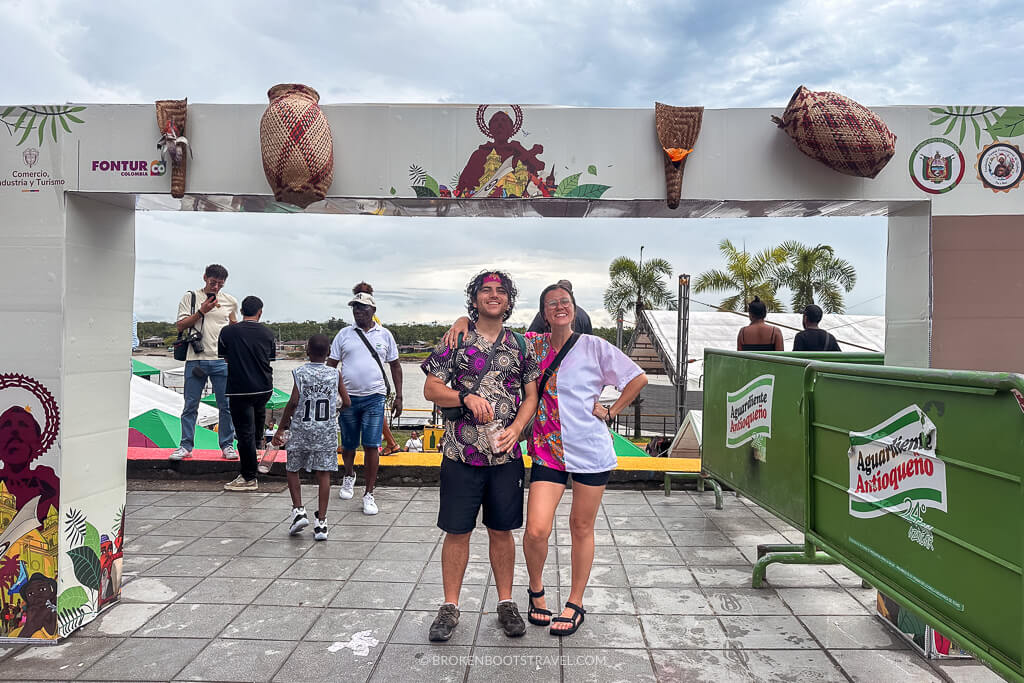
The city of Quibdó – in fact, the entire department of Chocó – is still relatively off the tourist trail. Unfortunately the region has been long underserved, and therefore infrastructure in Chocó is not as developed as other regions of the country. This is important to take into consideration when planning a visit, not only from a perspective of navigation and safety, but also out of respect for the people who call this region home.
However, the department of Chocó has been putting forth significant efforts to bring attention to the region. Visiting the San Pacho festival is one of the best ways to embrace the people and culture of Chocó, as well as support local artisans and musicians in the area.
PLEASE NOTE: While I deeply love this region and its people, I also want to note that there are real safety concerns here compared to other regions of Colombia. Chocó has a long history of displacement, which has led to systemic violence throughout the region. While I want to support the growth of this department, I also want to be transparent with my readers about the realities of travel in Chocó. I’ll dive deeper into safety concerns when planning your visit a bit later in this article.
How to Get to Quibdó
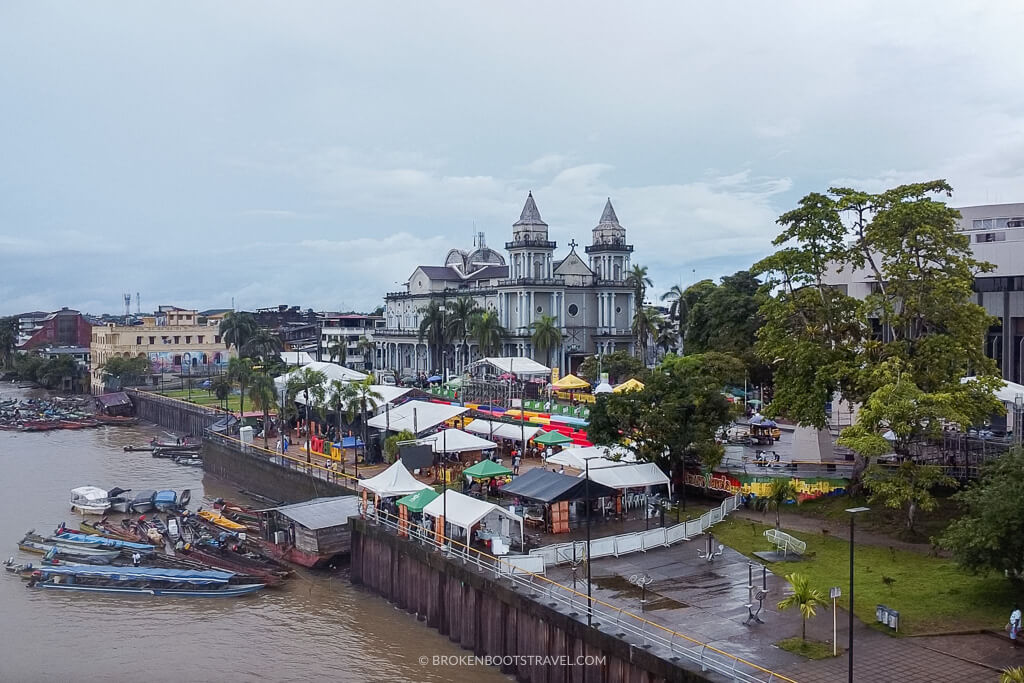
Quibdó is relatively isolated from the rest of Colombia, located about 9 hours away from the city of Medellín by road. It’s actually one of the only cities in the department accessible by road – due to the extensive rivers in the department of Chocó, many towns in the area are only reachable by boat!
There are two ways to get to Quibdó – by road or by plane. If booked in advance, the prices can actually be quite similar, usually around 100,000 COP ($25 USD) each way.
If you’re booking at the last minute, taking the bus is usually the more economic option. The bus ride takes between 8-10 hours, passing through some windy mountain roads until you reach the flatter Pacific basin. We took the night bus when we traveled to Quibdó for San Pacho, which certainly saved us some time but I can’t say I got an excellent night’s sleep on the curvy mountain roads.
The flight to Quibdó is much shorter, lasting about 45 minutes from Medellín. If you can afford it, I highly recommend this option to save on both time and comfort. There are direct flights daily from both Medellín and Bogotá.
✈️Search for flights to Quibdó on WayAway
🚌Search for buses to Quibdó on Busbud
Safety at San Pacho
While safety has improved drastically in Colombia in recent years, the department of Chocó is still one of the more dangerous regions of the country. The department has long been underserved, and lack of infrastructure and displacement has unfortunately led to the presence of armed violence in the region.
However, the city of Quibdó is much safer during the San Pacho celebrations, when visitors travel from around the country (and now the world!) to join in the festivities. Of course, it’s important to keep your wits about you, not flashing expensive jewelry and keeping your valuables close. I also never encourage walking alone at night anywhere in Colombia.
If possible, I HIGHLY recommend connecting with locals if possible during your time in Quibdó. I actually met my friend Enrique on Couchsurfing during my first visit to Quibdó and it completely changed my experience. As always, exercise caution when meeting strangers – meet in public places and follow your gut instincts – but in my experience, the chocoano people are some of the friendliest I’ve found in Colombia. Many people are simply excited to see a visitor enjoying the region and are deeply welcoming.
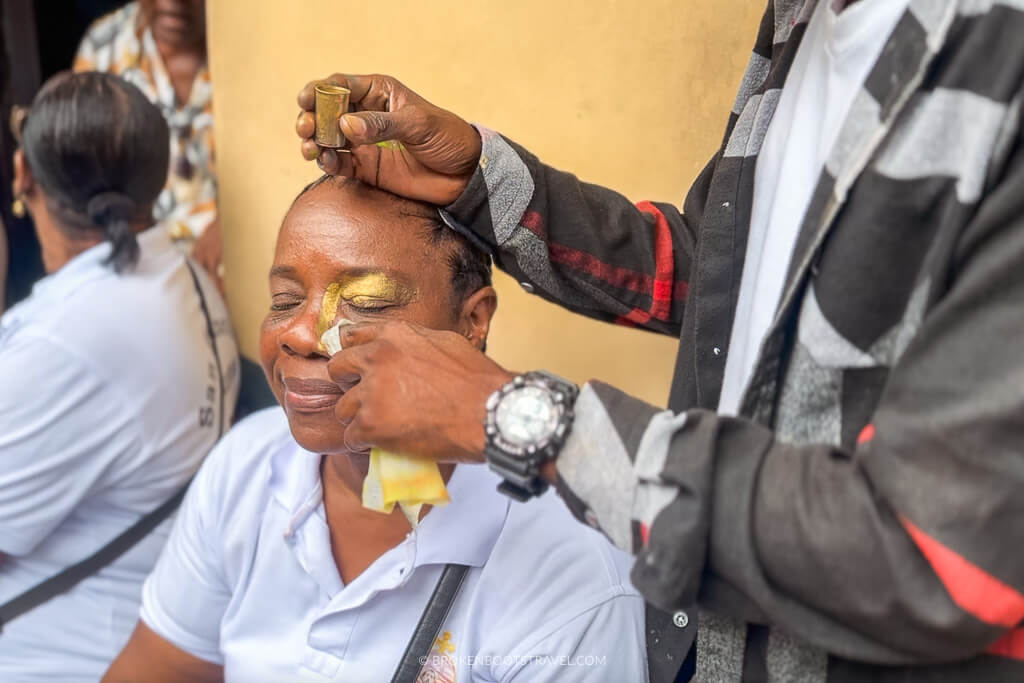
Unfortunately, Uber is not yet available in Quibdó. The city is small, so I recommend staying centrally to avoid having to find transportation. Taxis are available, but are sparse. If taking a taxi, ALWAYS note the license plate and make sure the driver has properly posted certification.
The city of Quibdó is also unfortunately lacking in some of the infrastructure found throughout other parts of the country. That doesn’t mean it’s inaccessible, but can be a bit overwhelming for a first-time traveler or someone who has never visited an impoverished region. Many roads and homes are in poor condition, and rubbish is often improperly disposed of. However, please remember that this is the result of centuries of systemic oppression, and to treat the residents of the city with the same respect you would anywhere else in the world.
I was a bit nervous before my first trip to Quibdó, but was pleasantly surprised once I arrived. So many people were willing to help me, to show me around, and to welcome me to their city. I never want to encourage traveling recklessly or irresponsibly, but I do encourage you to remember there are real people living real lives everywhere.
Concerned about safety in Colombia? Check out my full safety guide as a foreigner and solo female traveler in the country.
Experiences to Have at San Pacho
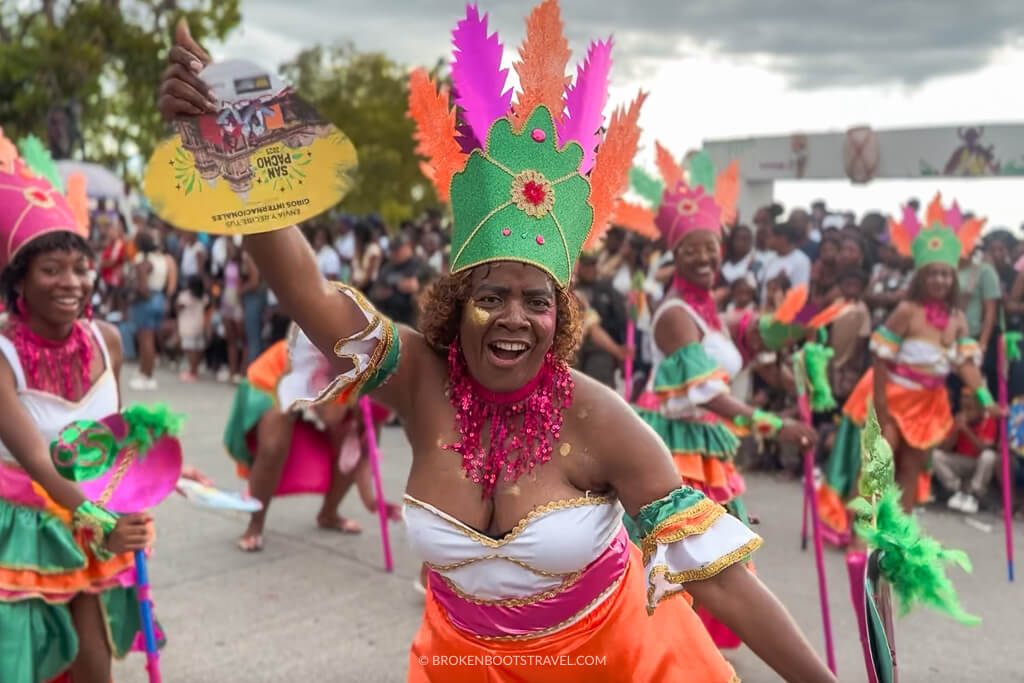
San Pacho comprises nearly a month of daily celebrations, which combine all the elements of Afrocolombian culture. However, the biggest days of festivities are the final two weeks of the festival, when the 12 Franciscan neighborhoods of the city each have a featured day of their own.
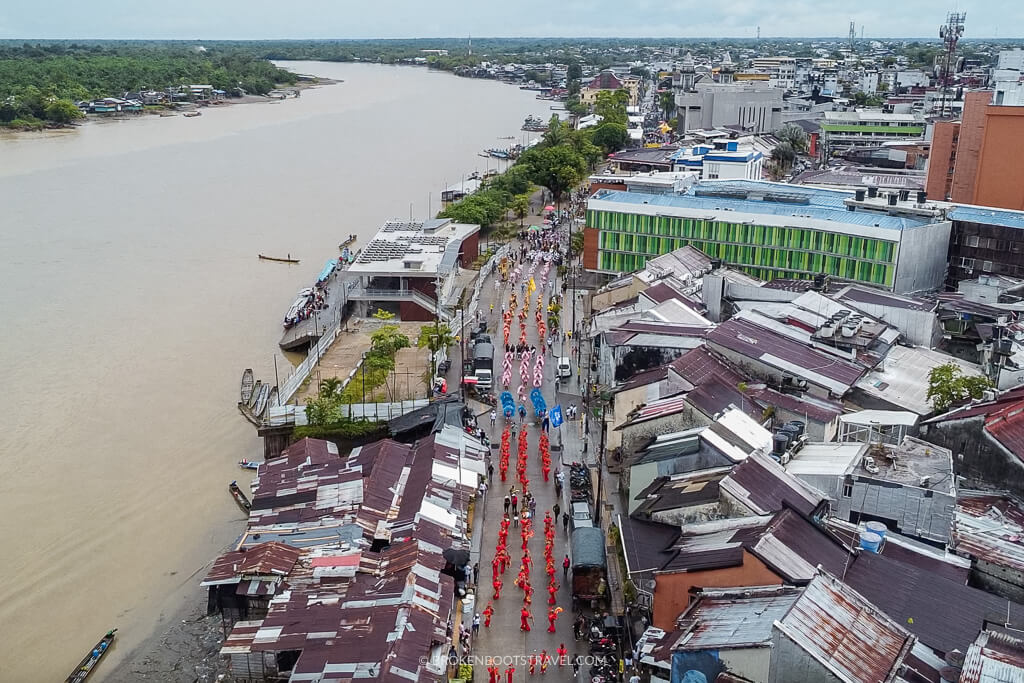
Daily parades are one of the core elements of the San Pacho Festival. Each day, one of the 12 Franciscans neighborhoods is the focus, with costumes and dances celebrating their barrio. The parades feature everything from floats to live musical performances to dances celebrating the African roots and cultural identity of Chocó.
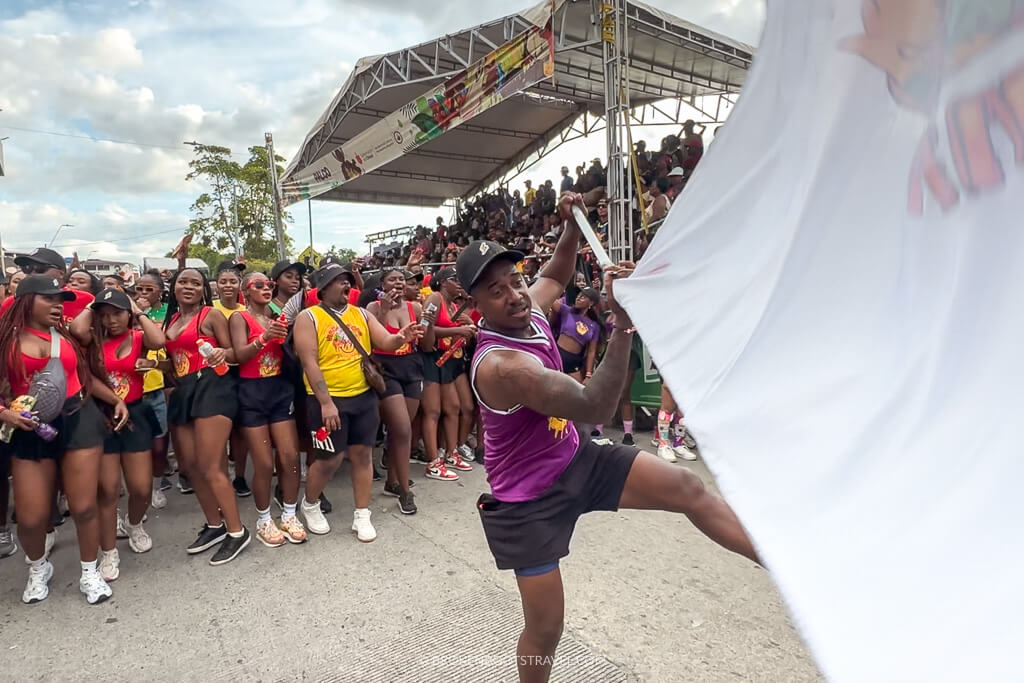
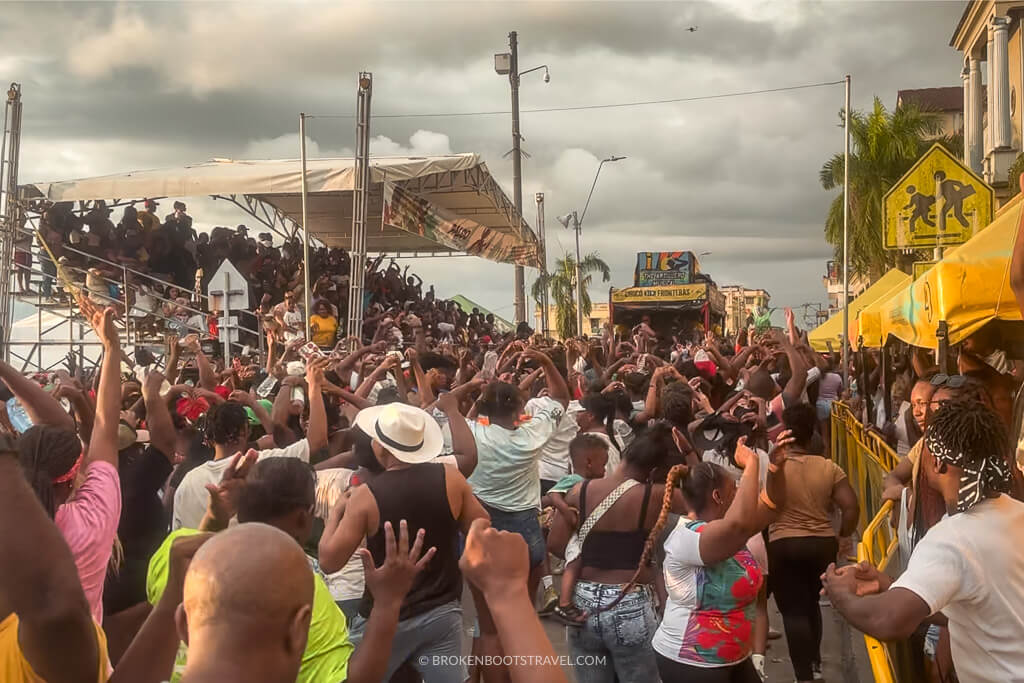
At the end of each parade, spectators join members of the featured neighborhood in the celebrations, dancing down the packed street shoulder to shoulder. We got pulled into the celebrations, and it honestly felt like we were in a mosh pit with all the people around us! It was certainly an experience I won’t soon forget.
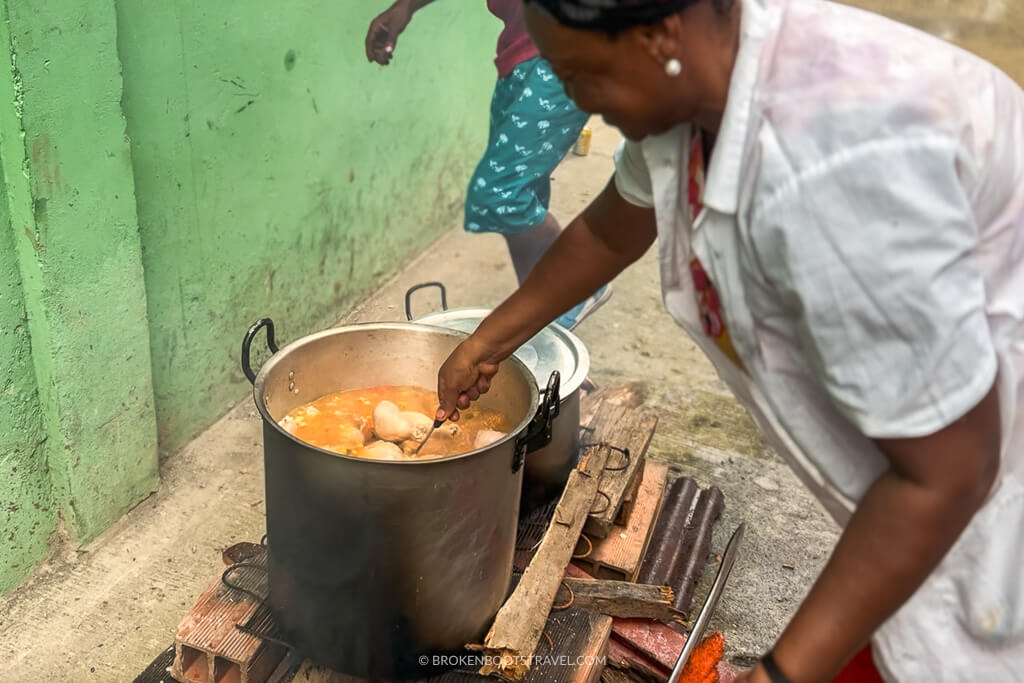
Each night after the parades, the featured neighborhood hosts a verbena, or basically a huge neighborhood party. The neighborhood is taken over by music, dance, and rumba, with everything from live concerts to impromptu chirimía performances in the streets. You’ll also find plenty of street food to try – my personal favorite is a patacón con queso chocoano.
The season of San Pacho also sees an uptick in cultural events around the city. You’ll find a number of pop-up markets in the malecón selling a number of unique chocoano souvenirs by local artists. The malecón also hosts numerous food festivals during the season, where you can try traditional chocoano flavors like arroz atollado, a cheesy rice dish, or the traditional sancocho stew, a staple of Colombian festivals!
If you have the time, I highly recommend a visit to Muntú Bantú Museo Afrocolombiano. The museum is home to one of the largest collections of artifacts from the African diaspora, and is one of the best ways to learn more about the culture and history of the region. The museum is only open by appointment – I recommend reaching out to them on Instagram to schedule your visit.
In the final days of the festivities, colorful boats take to the Río Atrato. The final boat carries an icon of the patron saint of San Francisco, in a more somber display than the rest of the festivals. If you’re interested in learning more about the Catholic side of the celebration, there is also a daily morning mass held at Quibdó’s main cathedral, el Catedral San Francisco de Asís.
What to Bring to San Pacho
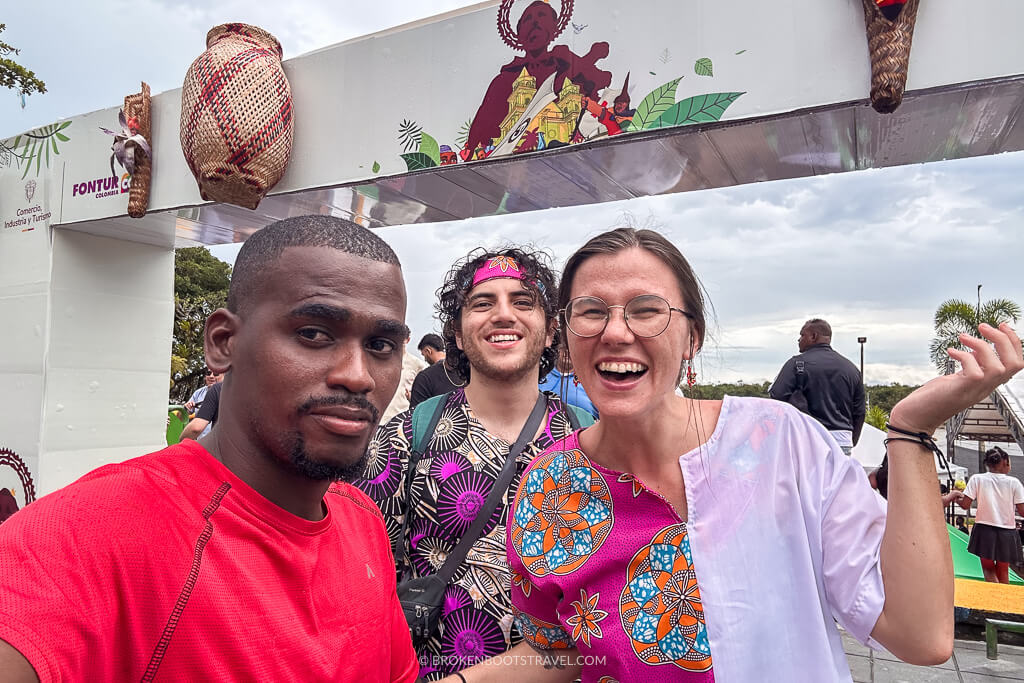
San Pacho is a festival of color, joy, and rumba, so you can’t visit without embracing the energy! I highly recommend coming prepared with some colorful clothing – and if not, you’ll find plenty sold in town! We actually bought some African wax-print shirts while visiting, a great way to support a local business and look the part for San Pacho.
The department of Chocó is also one of the rainiest regions in Colombia, so it’s highly likely you’ll experience a torrential downpour at some point on your visit. Having a quality rainjacket is crucial, and I also highly recommend waterproof shoes as the drainage system in the city isn’t excellent. My Blundstone boots kept my feet dry the whole time I was in the city.
Having travel insurance is also a non-negotiable for traveling to this region of Colombia (and in my opinion, for traveling in general!) I’ve used and loved SafetyWing Nomad Insurance for years, which covers everything from medical emergencies to petty theft. Visitors Coverage is also a great option for a shorter trip in Colombia.
As cheesy as it sounds, the most important thing to bring to the San Pacho Festival is an open mind. The celebration is truly unlike any other in the world and a deeply important part of Afro-Latin heritage. Please remember to travel responsibly and treat the people you meet with kindness and respect.
Visiting Colombia? Check out my extensive Colombia packing list!
My Experience at the San Pacho Festival
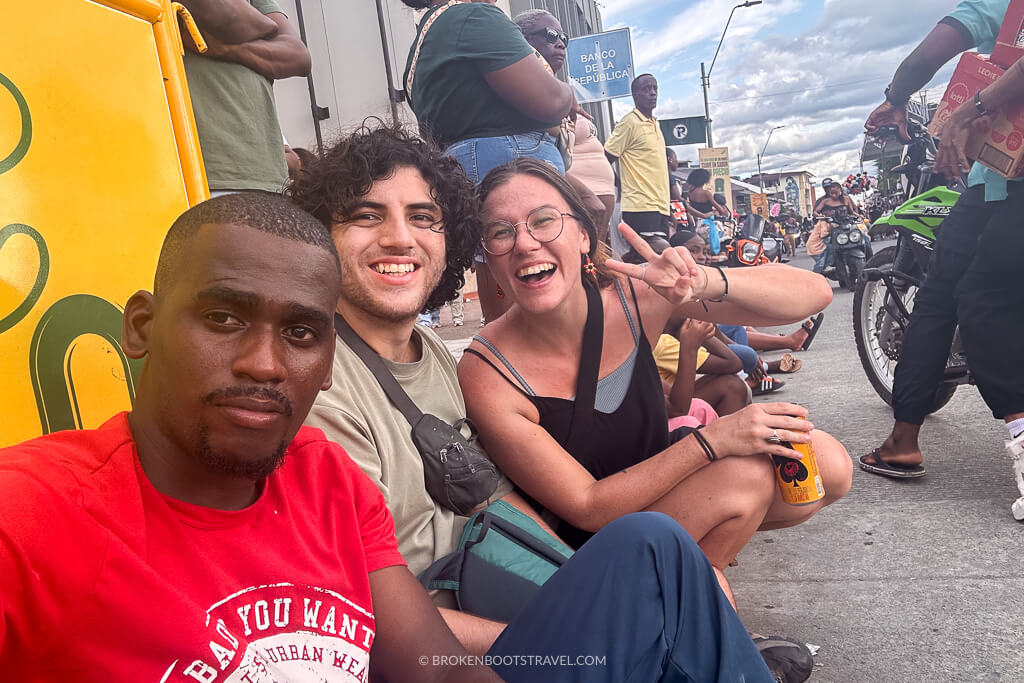
My experience at San Pacho was truly one of the most mind-opening experiences I’ve had in Colombia. And I’ve explored plenty of the country – I’m on a mission to visit all 32 Departments after all!
My first visit to the department of Chocó in February of 2025 truly opened my eyes to the true diversity of Colombia, but also the deeply rooted systemic injustice that has long plagued the region. It’s immediately clear upon arrival in Quibdó that the area has been too long-neglected, but I was immediately taken aback by the kindness of the chocoano people. I experienced a deep welcome in Chocó that I can honestly say I’ve never quite experienced anywhere else in the world.
I also found on my first trip to Chocó that the violence and oppression has led to a great abundance of art and music. From chirimía music, descended from the instruments of the Spanish slaveowners, to ritmo exótico, a music and dance movement created to oppose violence in local neighborhoods, the chocoano people have taken the oppression of the region and turned it into something beautiful.
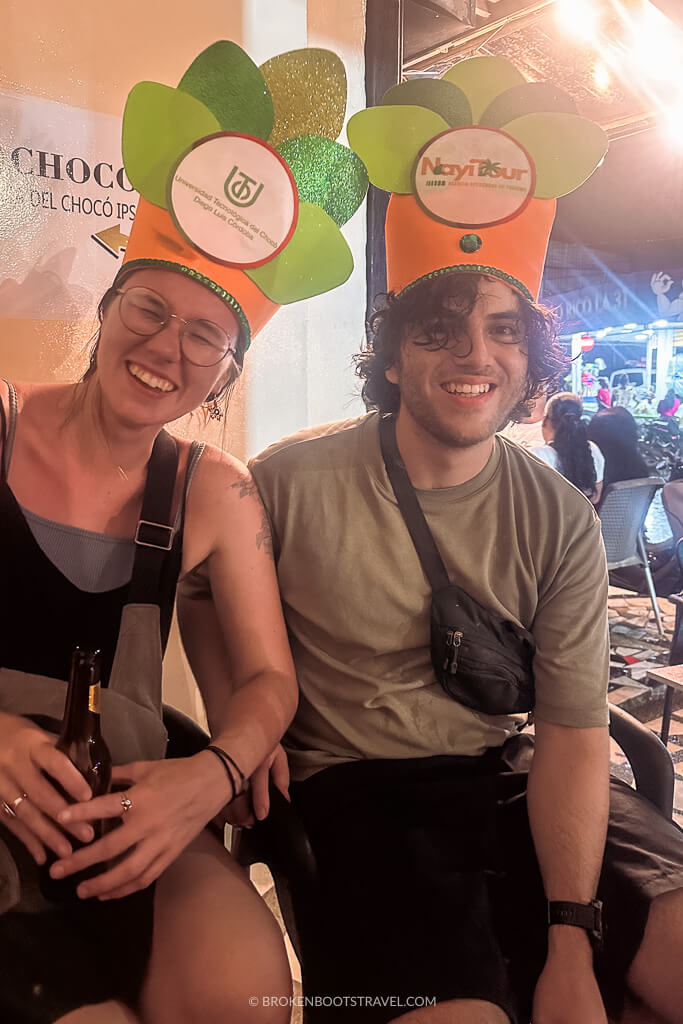
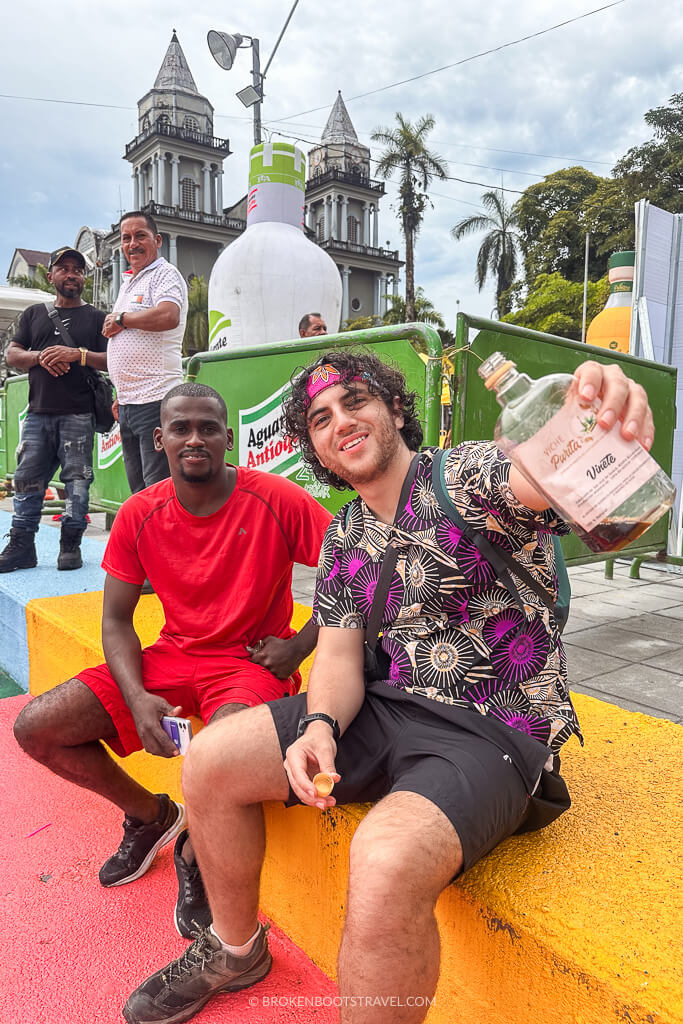
San Pacho, to me, felt like the culmination of the deep pride, joy, and creativity I experienced during my first visit. It brought together all the elements of Chocoano culture I fell in love with – the food, the music, the joy of the people. I once again felt deeply welcomed in the city. I truly believe many people are just grateful to see Quibdó, and the wider department of Chocó, recognized on a wider scale.
I only spent 3 days at the festival, but experienced enough celebration to last a lifetime! However, you could certainly spend more time in the city to experience more of the festivities – I regret not staying until the end to witness the procession of San Francisco. Hey – there’s always next year!
Beyond the San Pacho Festival
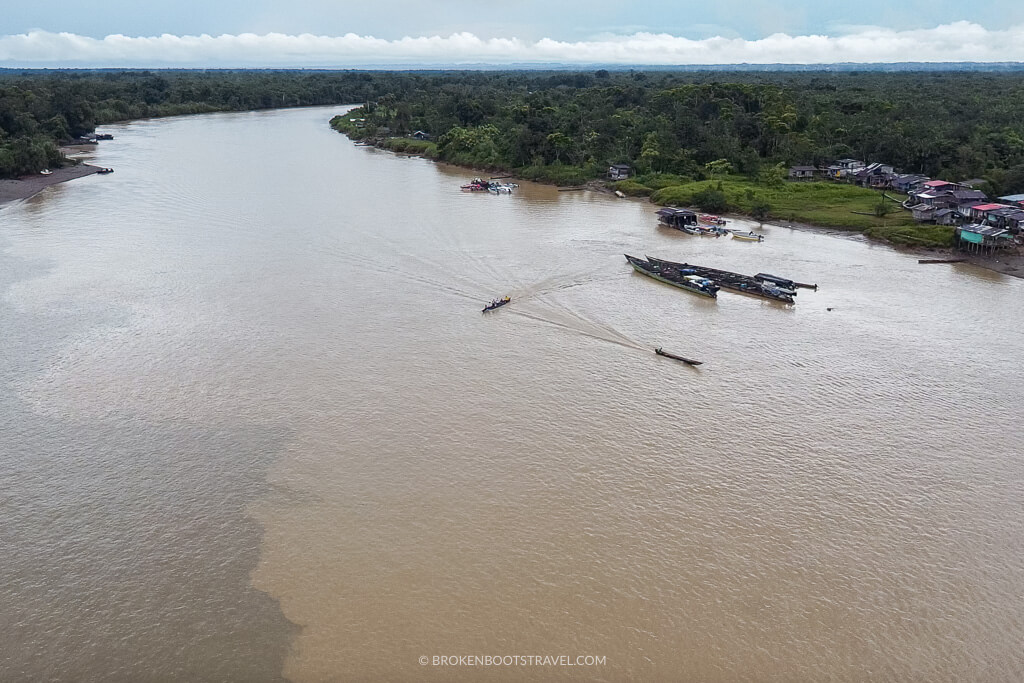
There is so much to love about Colombia’s Pacific coast, and San Pacho truly brings it all together.
But beyond the festivities, Chocó is a cultural, racially, and deeply biodiverse region, and seriously undiscovered! There is so much to do and discover in the region, from spotting whales on the Pacific coast to visiting the crystal waterfall of Tutunendo. I truly believe Chocó is one of Colombia’s best-kept secrets.
If you’re curious about more stories from Colombia’s Pacific Coast, I highly encourage you to go watch my Chocó documentary made as part of my 32 Departments of Colombia project. It’s one of the proudest videos I’ve ever made, and dives deep into the stories of the region.
Keep Exploring Colombia
Colombia is a country that loves to celebrate, and San Pacho is just the start. If you’re interested in more Colombian celebrations, I highly encourage you to read my articles about the Vallenato Festival – Colombia’s biggest traditional music festival, or Barranquilla Carnival – the biggest carnival celebration in the country!
There are plenty more sides to the Afrocolombian story to explore as well. The city of Cali, best known for its salsa culture, is also defined by its afrocolombian heritage. The city actually hosts another one of the largest celebrations of Afro-Latin identity in the country in La Fería de Cali every December.
The islands of San Andres and Providencia also provide a unique insight into Caribbean afrocolombian culture. The islands actually have their own language – a creole that is a mix of Spanish, English, and African roots. You can watch the documentary I made in the department to learn more!
No matter where you explore in Colombia, there’s something to love. But for me, the Pacific coast holds a special place in my heart, a region that truly reignited my love for Colombia. What an honor to celebrate everything that makes it special at San Pacho.
Love stories? Subscribe to my newsletter to get my latest updates delivered straight to your inbox every month. One email a month + no spam? Sign me up!

Virginia Taylor (Ginna) is a travel writer and photographer exploring the world until her boots wear through. She’s currently on a mission to explore all 32 departments of Colombia, though she formerly called the Middle East home. Want to know more? Visit the About Page.