
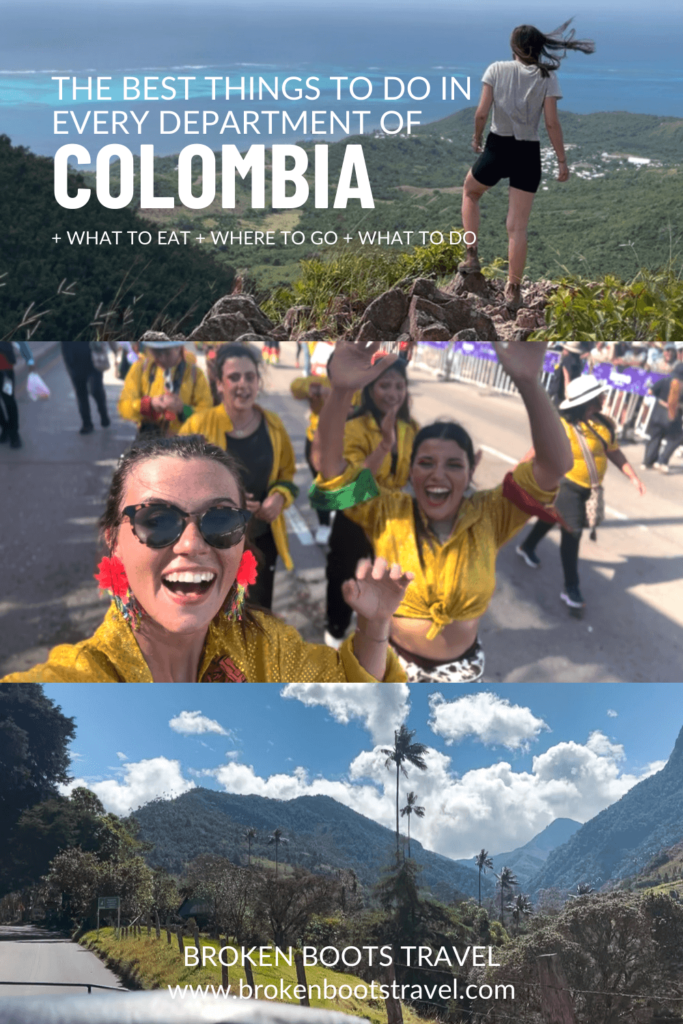
Howdy! I’m Ginna the gringa, and I’m on a mission to explore all 32 departments of Colombia!
When I first started this project, I knew Colombia was a country rich in cultural and natural diversity. But nothing could have prepared me for all the stories I would find as I drove my moto around the country (and broke my muffler multiple times in the process!)
Colombia is an extraordinary country, and not just for its snowy peaks and powdery beaches. It’s a country with a rich cultural identity – from traditional dance and music to delicious cuisine and coffee.
Yes, it’s a country with a challenging past, but the pride, resilience, and passion of the Colombian people have made a tremendous effort to move the country into a new light. These days, it’s a safe and beautiful country to visit, and I’m honored to be able to discover it.
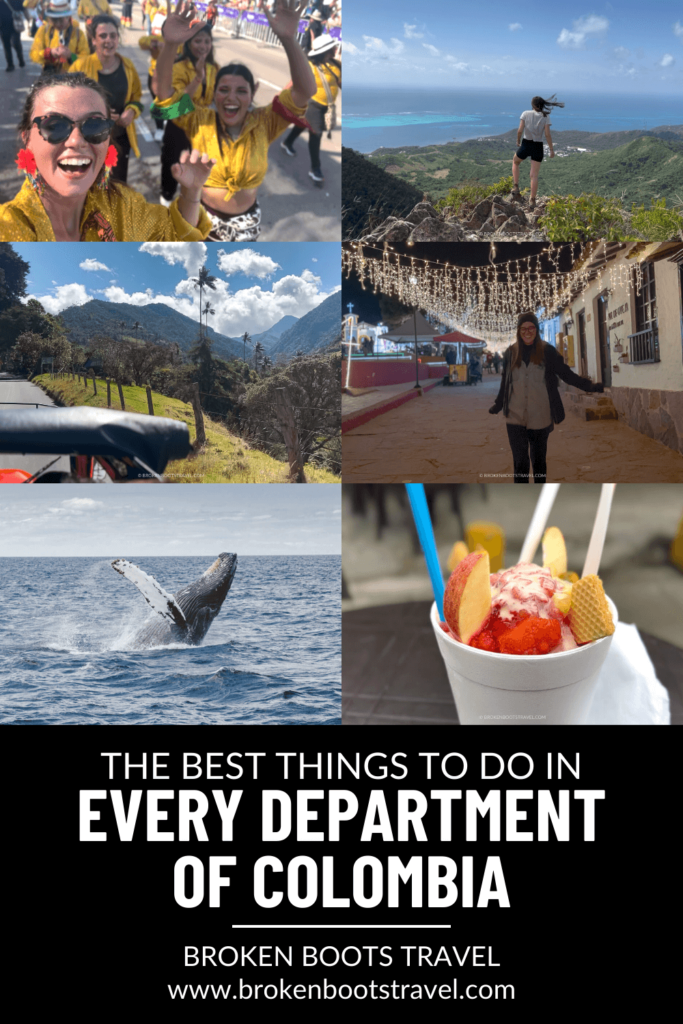
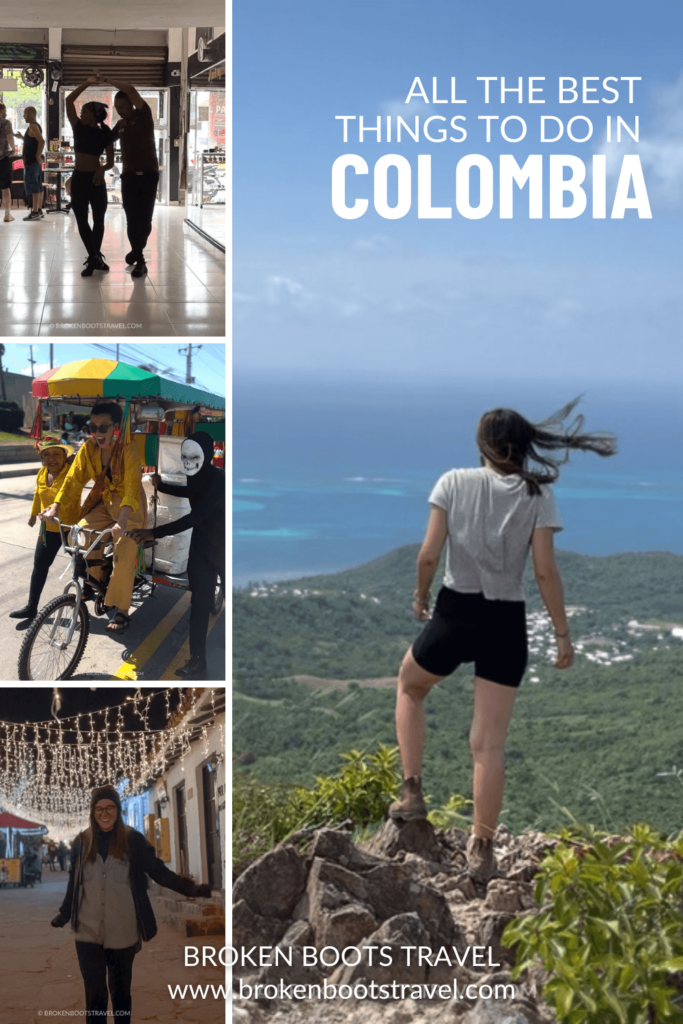
So with all this in mind as I explore Colombia, I decided to keep a virtual journal here of my favorite discovery in each department. This could be a place, an activity, or even a dish, but consider it an ongoing record of the extraordinary diversity of Colombia, and proof that every department has something to offer.
But hey – before we get into it, I’m just one person! Let me know in the comments what your favorite thing is about your department.
This site uses affiliate links to share products that I use and love! If you click on one of the links I may receive a small commission at no additional cost to you. This helps keep my site up and running — thank you!
Interactive Map
I’ll be updating this map as I travel around Colombia, so you can see what each department has to offer!
Colombia Quick Links
✈️ Flights – Use Kiwi.com or WayAway to find the cheapest and fastest flights to Colombia
🛏️ Accommodation – Find the best places to stay throughout Colombia on Booking.com
✅ Get Insured – I personally use Safety Wing Nomad Insurance for my travels all around the world! VisitorsCoverage is another great option.
🚗 Rent a Car – Find the best deals for a Georgia road trip on RentalCars.com
🗺️ Find Things to Do – Check out Get Your Guide or Viator for exciting adventures all around Georgia
☎ Buy a Sim – Airalo offers eSIMS for over 200 countries and regions
👜Pack Your Bags – Check out my complete Colombia packing list to help plan your trip!
🔐Stay Safe – Check out my Colombian safety guide (from a solo female traveler!) to get started
Looking to spend more time in Colombia? Check out my full 3-week itinerary!
AMAZONAS – Spend a Night in the Jungle
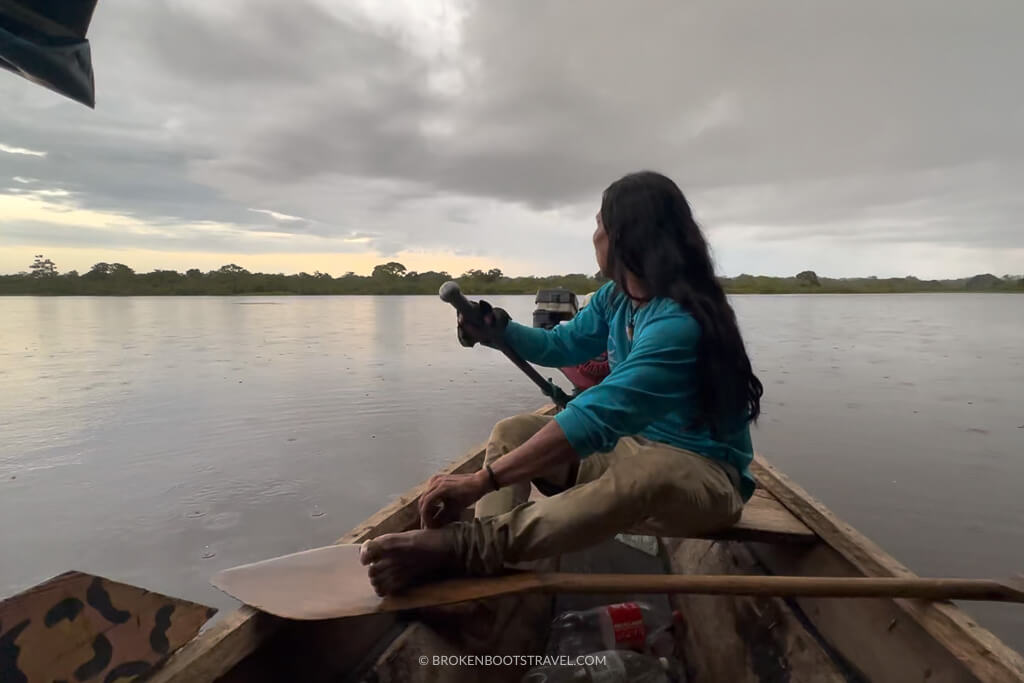


You can’t visit the Colombian Amazon without getting out into the jungle itself! And there’s truly no better way than to spend a night in it – if you dare!
It’s hard to truly grasp the extremity of the Amazon until you’re in it, surrounded by thick vegetation and hearing the sounds of nature around you. Spending a night in it is a whole other story – you’ll have the chance to spot a number of nocturnal animals and experience the true isolation of the jungle.
I spent two nights camping in the jungle outside the village of Puerto Nariño with a local guide, and it’s become one of my favorite memories from all of my travels. We spotted nocturnal frogs and lizards, camped by the submerged forest, and even got to swim with Amazonian pink river dolphins!
I know jungle camping is a little extreme, so even if it’s not your thing, I still highly recommend a visit to Puerto Nariño! This village is completely car-free, one of the best places to experience the tranquility and biodiversity of the jungle.
WATCH THE FULL VIDEO: What Life is Like Where Three Countries Meet | AMAZONAS
ANTIOQUIA – Visit a Paisa Pueblo
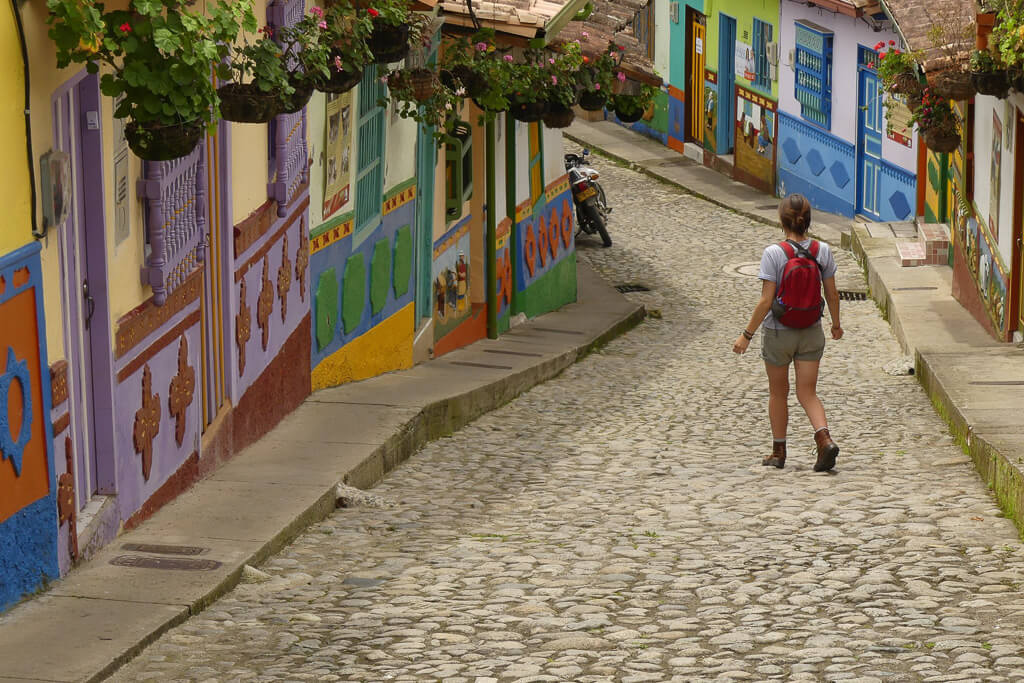


Antioquia is the department of picturesque pueblos (towns), and there are plenty to choose from to explore!
The paisas, the anthropological name for the people of the region, are known for their unique, colorful architecture. The colorful shutters and rainbow doors reflect a mix of Spanish and Indigenous influences, leading to a result that looks like something right out of a fairytale.
But every town in Antioquia also has their specialty, from the fabrication of carriel satchels in Jérico, to the colorful zócalos in Guatapé, to the cowboy culture of Jardín. There are plenty of towns to choose from, many just an easy day trip from the major city of Medellín.
But one of the best things to do in any paisa pueblo is simply grab a cup of coffee and people watch in the central plaza. You’re sure to see plenty of characters, decked out in their full paisa uniform – aguadeño hat, poncho, and of course, a carriel satchel. Don’t forget to pick up one for yourself as a souvenir!
WATCH THE FULL VIDEO: What the heck is a PAISA? | ANTIOQUIA
ATLÁNTICO – Attend Barranquilla Carnival
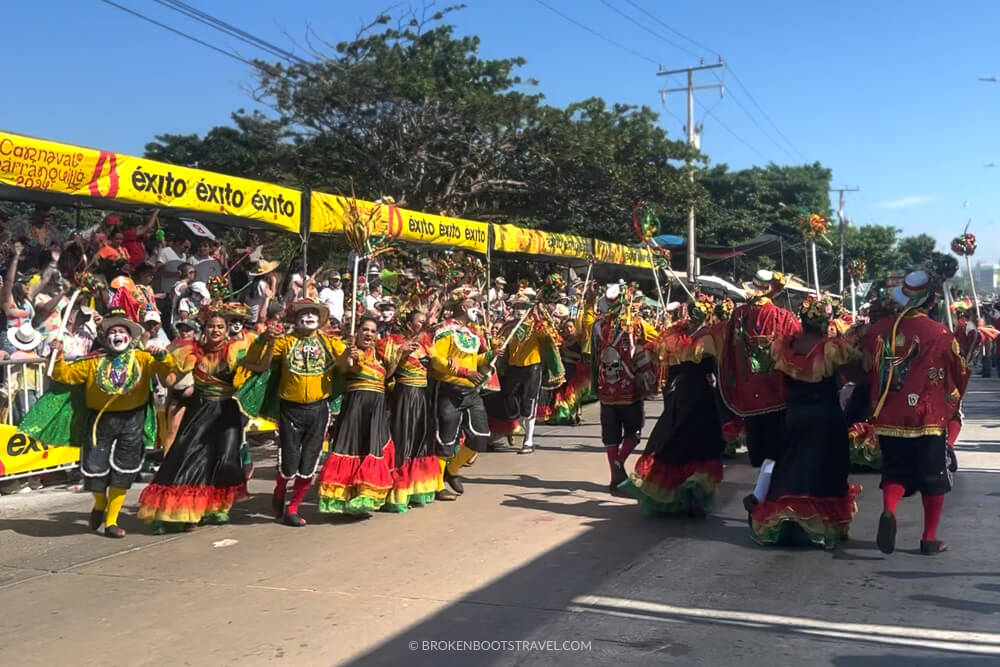


Barranquilla Carnival is Colombia’s biggest celebration of the year, a celebration of coastal Colombian culture that can’t be missed!
From dance to music to all-night-rumba, Barranquilla Carnaval is an extraordinary celebration of the diversity of the Colombian coast, combining Afro-Colombian, Indigenous, and Spanish tradition.
In fact, this colorful festival was declared a Masterpiece of the Oral and Intangible Heritage of Humanity and is the second-largest Carnival celebration in the world, right after Rio de Janeiro.
Carnival takes place yearly, usually in the months of February and March, though you can check upcoming dates here. I was actually able to be a part of the Batalla de Flores of Carnival 2024 – the most emblematic parade of the event!
There are a million reasons why people flock in the masses to Barranquilla every year for this celebration! I’ve actually written a full visitor’s guide to Barranquilla Carnaval, so grab your glitter and get ready to celebrate!
WATCH THE FULL VIDEO: The Biggest Carnival in Colombia | ATLÁNTICO
BOLÍVAR – Visit San Basilio de Palenque
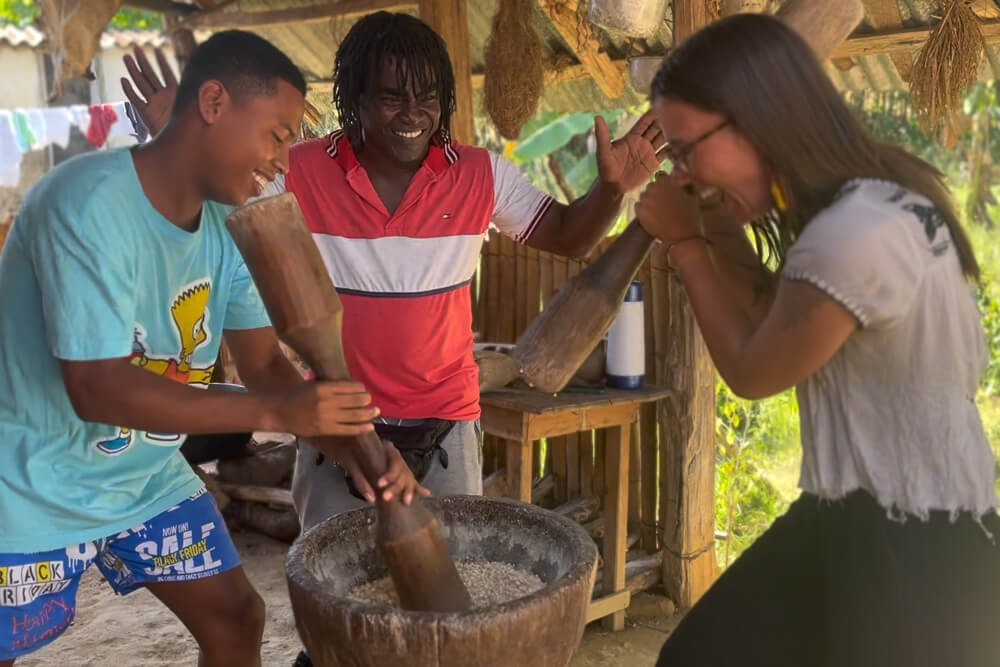


The small, dusty town of San Basilio de Palenque might not look like a lot at first glance, but this town is one of the most extraordinary pieces of Colombian history.
The town was founded by escaped slaves, who found refuge in the ciénagas (swamplands) outside of the city of Cartagena. For years, the town remained a secret, its hidden location communicated amongst the enslaved population through maps intricately woven into the braids of their hair.
This isolation allowed the town to develop independent from the culture on the Colombian coast, with many customs, foods, and even language heavily influenced by various African traditions. To this day, it’s often referred to as “Africa in Colombia.”
Besides its unique culture, San Basilio de Palenque is also notable for being the first freed town in the Americas, established as a free town in 1603. It’s a vital piece of understanding Afro-Colombian history and tradition, as well as an easy day trip from Cartagena. Even if you’re just spending a short time in the city, I recommend a trip to gain a better understanding of this region.
WATCH THE FULL VIDEO: What to do in Cartagena (and beyond!) | BOLÍVAR
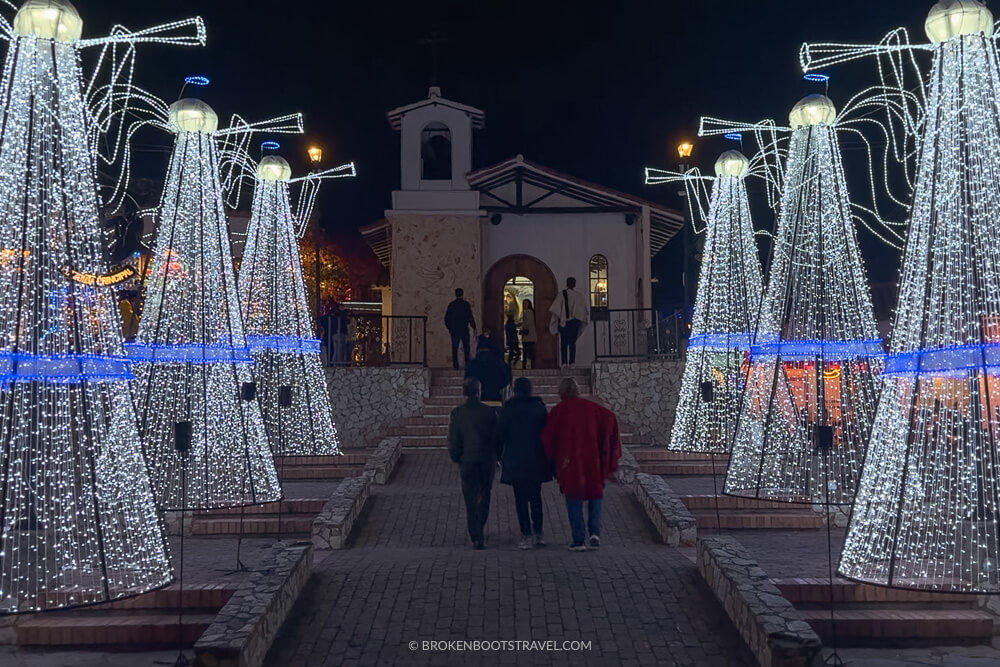


Christmas is a BIG DEAL in Colombia, and no department goes harder than Boyacá.
Boyacá is home to the famous Ruta Navideña — a collection of pueblos throughout the department that go all out for the Christmas season. If you’re visiting Colombia during the Christmas season, making this Christmas pilgrimage is a must.
The most famous route through Boyacá begins in the pueblo of Nobsa and continues through the towns of Corrales, Tibasosa, and Paipa. Most pilgrimages end with a visit to El Puente de Boyacá, the famous site of the final battle of the Colombian Revolution.
You can visit this route on your own or join a tour, usually leaving from the city of Bogotá or Boyacá’s capital city of Tunja. Make sure to come hungry and try as many of the Christmas treats as you can along the way — the buñuelos in Nobsa are famous for a reason!
WATCH THE FULL VIDEO: The Best Place to Spend Christmas in Colombia! | BOYACÁ
CALDAS – Learn about the Sombrero Aguadeño


The department of Caldas is the heart of Colombia’s coffee region, home to some of the oldest coffee-growing traditions in the country.
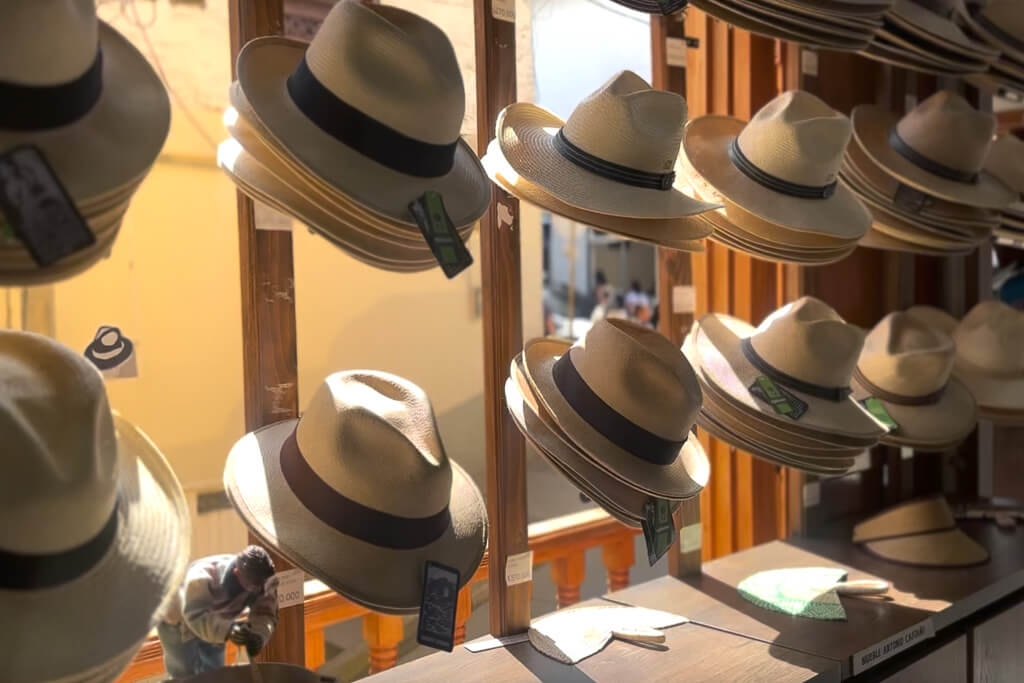
And we’re not just talking coffee-brewing methods (though you’ll find plenty of those as well!) This land is home to an entire culture surrounding coffee production, from colorful chiva buses to coffee-flavored snacks to the iconic sombrero aguadeño — the distinct hat of the Colombian coffee farmer.
This white and black hat has become a recognized symbol of Colombia, worn by legends such as Juan Valdez himself. But this birthplace of this hat comes from the department of Caldas — a tiny hillside town called Aguadas where they’ve practiced the craft of the Aguadeño for centuries.
On a visit to Aguadas you’ll have the chance to explore the history and production methods of these hats — from the weaver women who create the base to the many shops in town where they create the final product. You can also visit the Museo del Sombrero while in town to learn more about many of Colombia’s traditional hats!
WATCH THE FULL VIDEO: The Heart and Soul of Colombian Coffee Country! | CALDAS
CASANARE – Go on a Llanos Safari
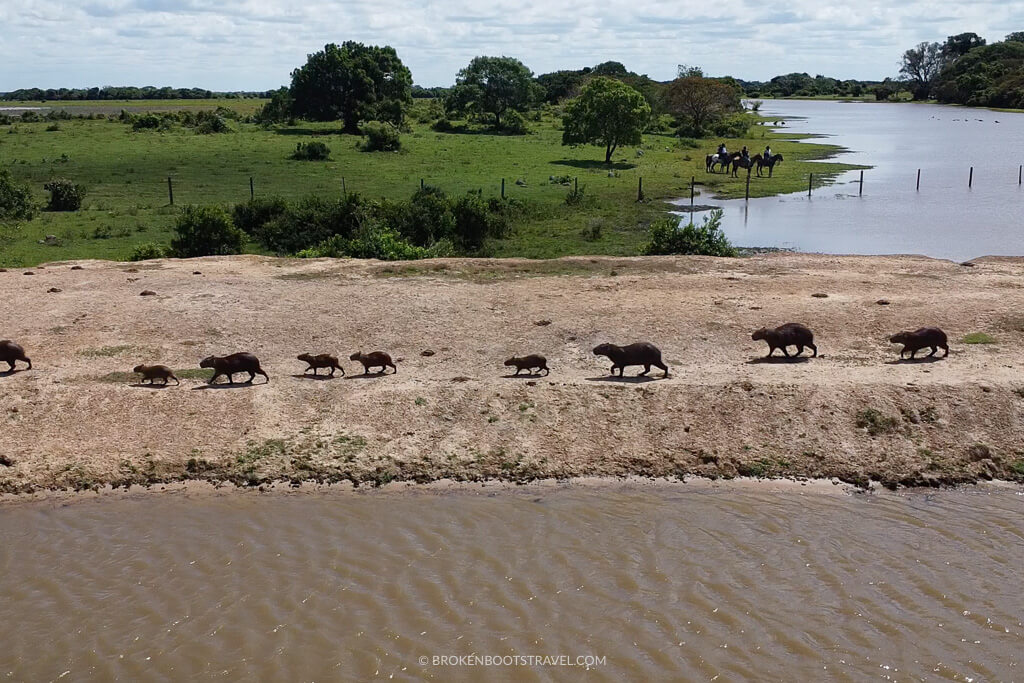


The department of Casanare is the heart of soul of Colombia’s eastern plains, home to wide open skies, cattle ranches, and plenty of capybaras!
There’s no better place to spot all of the wildlife of the eastern plains than on a horseback safari. You’ll have a chance to channel your inner cowboy and experience the plains like llaneros do – from the diversity of animals to the wide open skies to the absolutely epic sunsets.
I had the chance to spend a full week at Hato El Boral while exploring the department of Casanare and cannot recommend it enough. It’s a fully operational cattle ranch located just a few hours outside of Casanare’s capital city of Yopal, which also hosts visitors for llanos safaris and experience.
At Hato El Boral you’ll have a chance to get a real look at life on Colombia’s eastern plains, from learning cattle calls to dancing joropo around the campfire. You truly haven’t visited the llanos until you’ve gotten out into the plains themselves, and spotted all the animals who call them home!
WATCH THE FULL VIDEO: Life on a Cattle Ranch in Colombia’s Eastern Plains | CASANARE
CAUCA – Visit Popayán for Semana Santa
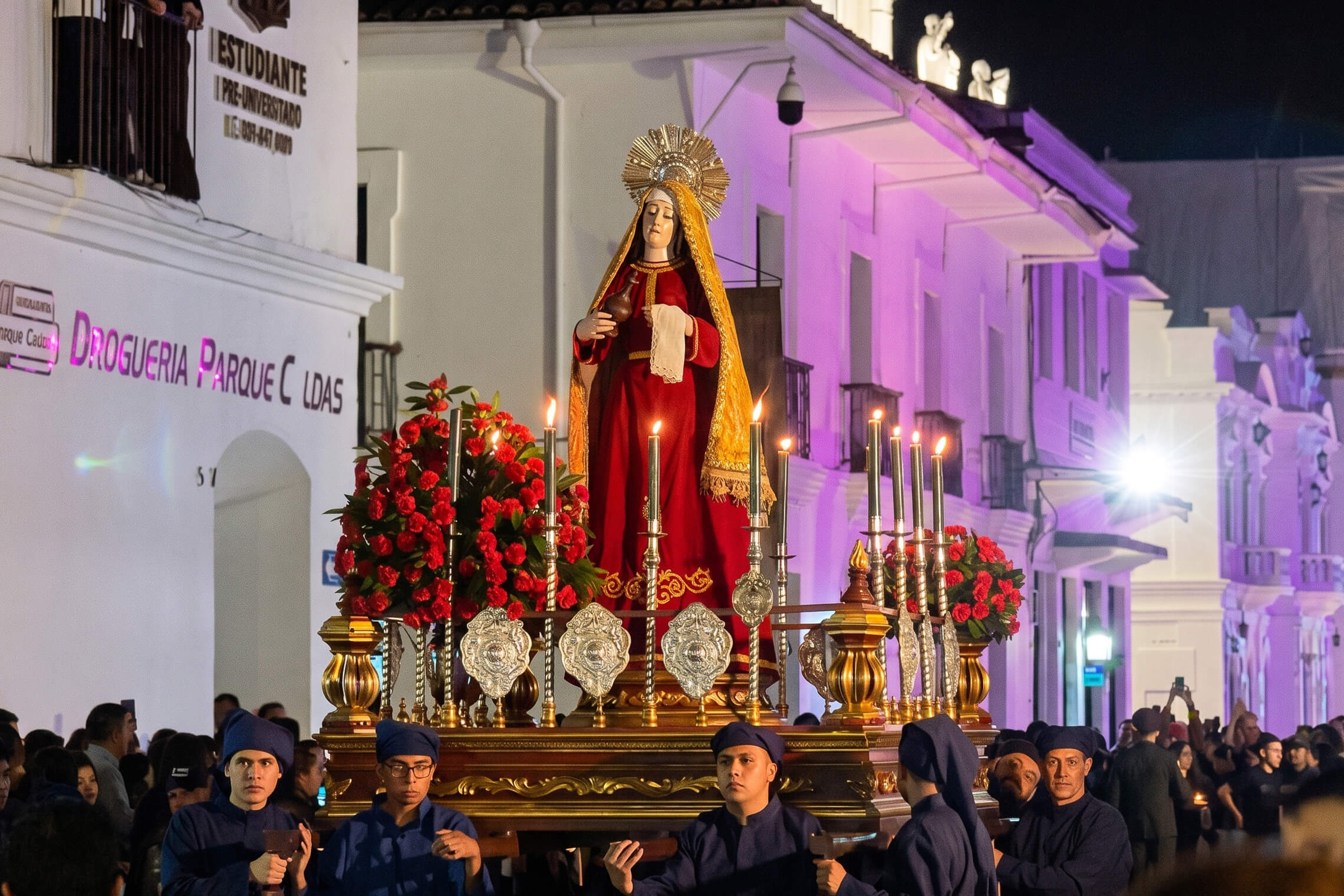


Cauca’s capital city of Popayán is home to the oldest Semana Santa traditions not just in Colombia, but in all of Latin America! These traditions have taken place since 1556 and are officially recognized as a piece of Intangible Cultural Heritage by UNESCO.
Semana Santa, or Holy Week, is one of the largest celebrations in the Catholic tradition, recognizing the birth and resurrection of Jesus. The week is filled with processions, where giant pasos depicting the story of the crucifixion are carried through the streets of Popayán. These pasos can weigh over 1,000 pounds and date back to the Medieval Era!
People from around the world come to Popayán during this time of year, but the city itself is a notable place to visit even beyond Semana Santa. Known as the “white city of Colombia,” it’s home to some of the most well-preserved colonial architecture in the country.
I attended this event as a non-Catholic and still enjoyed having a chance to experience this unique tradition. I simply encourage you to remember that this is one of the most deeply religious celebrations in Colombia, so please visit with respect and an open mind.
WATCH THE FULL VIDEO: Colombia’s Largest Semana Santa Celebrations! | CAUCA
CESAR – Visit the Festival de la Leyenda Vallenata
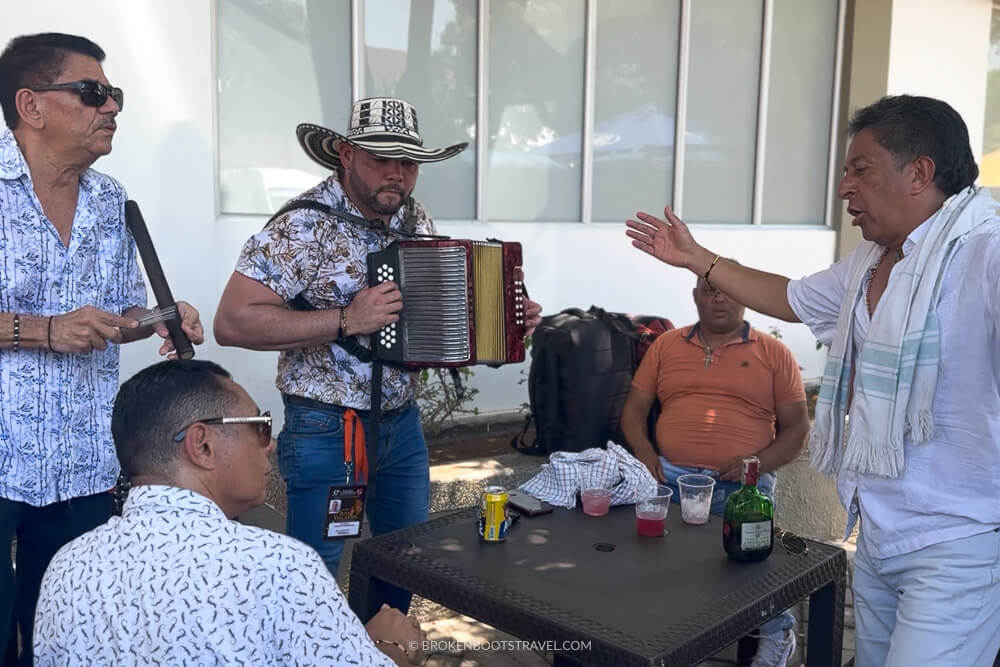


The Department of Cesar is the birthplace of Vallenato music, Colombia’s favorite coastal rhythm. And there’s no better place to celebrate than at the Festival de la Leyenda Vallenata!
This annual festival celebrates all that makes Vallenato unique — from its indigenous roots to its African influences to the musical instrument at its core: the accordion!
The Vallenato festival takes place annually in the spring in the capital city of Valledupar. Some of the biggest names in Vallenato flock to the city to perform, and Vallenato fans from around the country visit the city to watch. Many even make pilgrimages to the homes of famous Vallenatos in the region – it’s THAT big a deal!
Even in the off-season, Vallenato is the heart and soul of Cesar. Trios gather on street corners in Valledupar and fans and musicians alike can be spotted singing their favorite tunes any time of day.
WATCH THE FULL VIDEO: The Biggest Vallenato Festival in the World! | CESAR
CHOCÓ – Take a Ride in a Lancha
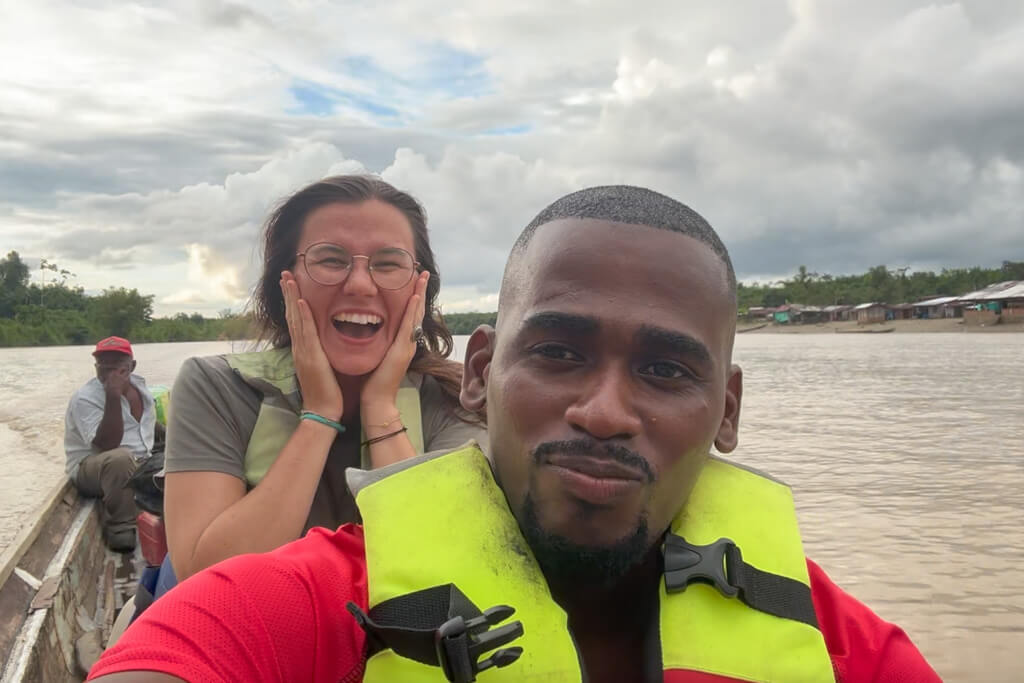


Chocó is the department of rivers. With nearly 90% of the region covered in rainforest, the inhabitants of Chocó have long used wooden boats as a form of transportation amongst the many communities dispersed throughout the department.
These traditional wooden boats — known as lanchas — have become a vital part of the chocoano identity. While many modern boats are equipped with motors for ease of use, lanchas were originally paddled using long, bamboo oars.
There are countless opportunities to ride in a lancha when visiting Chocó, as they’re still regularly used as a form of public transportation between the capital city of Quibdó and smaller communities downriver.
I personally recommend chartering a boat from Quibdó’s boardwalk to enjoy a sunset over the city. And if you happen to be visiting Quibdó during the San Pacho Festival in September, you’ll see the patron saint of the city, San Francisco de Asisi, carried down the river alongside you!
WATCH THE FULL VIDEO: A Gringa in the Afrocolombian Pacific! | CHOCÓ
CÓRDOBA – Learn about the Sombrero Vueltiao in Tuchín
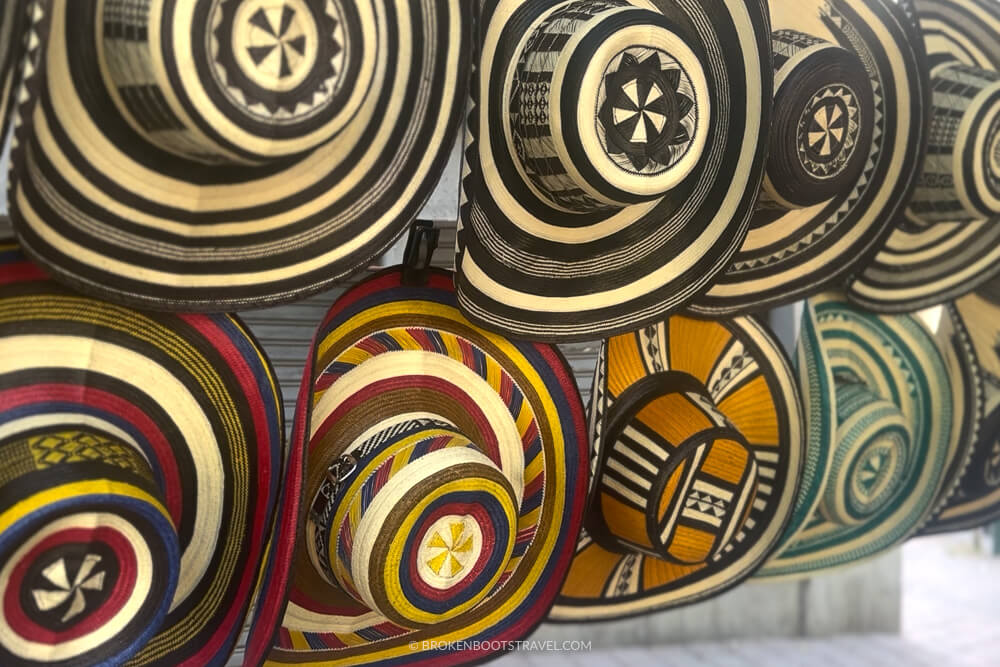


The department of Córdoba is the birthplace of the Sombrero Vueltiao, the black and white hat that has become a national symbol of Colombia. The hat is made from caña flecha, a plant native to the coastal regions of Colombia, and has a long history rooted in indigenous tradition.
While you can find hats for sale throughout the region, there’s no better place to learn the history and process than Tuchín, the official birthplace of the sombrero vueltiao. The town is full of shops where you’ll be able to witness the construction of the hats in process and talk to the artisans themselves.
The surroundings of Tuchín are also home to a number of fincas where the caña flecha is grown. I had the opportunity to visit Finca Las Palmas, a finca associated with the brand Sombvueltio, during my time in the department of Córdoba. Here I had the chance to see the whole process from start to finish – from weaving, to dying, to construction of the products.
While the sombrero vueltiao is the most iconic caña flecha product, the fibre is used for a variety of artisanal goods, from bags to earrings. Keep an eye out all around the department of Córdoba for all kinds of caña flecha products!
WATCH THE FULL VIDEO: Milking a Buffalo in Monteria! | CÓRDOBA
CUNDINAMARCA – Visit Laguna Guatavita
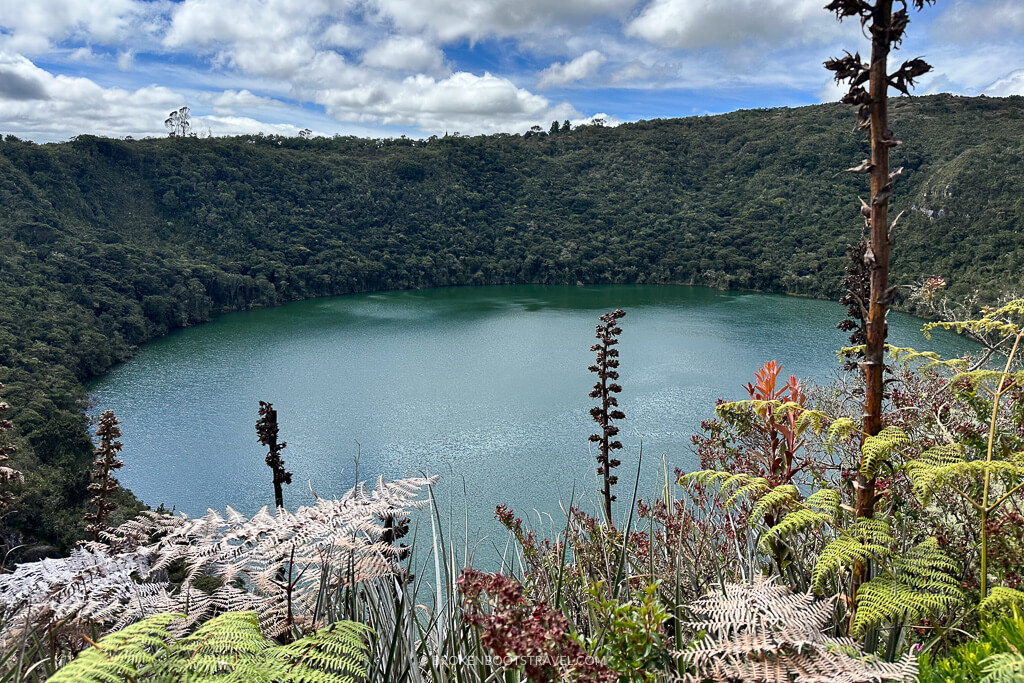


The department of Cundinamarca is home to some of the most profound indigenous stories in Colombia.
The region, known as the altiplano cundiboyancese, is the ancestral homeland of the Musica Nation, the largest indigenous group in Colombian history.
The region is spotted with sights that hold great importance to the Muisca Nation, but perhaps none more iconic than Laguna Guatavita. This crater lake held great significance in the Muisca cosmology and was home to one of the most important rituals in the region, which birthed the myth of El Dorado.
Laguna Guatavita is one of the best places to learn about the Muisca Nation, both past and present, as well as experience some of the truly otherworldly landscapes of the region. I also recommend a visit to the nearby Guatavita town, a colonial-style pueblo with a long history and plenty of handicrafts for sale. Both the town and the lake are an easy day trip from Bogotá, so there’s no reason not to visit!
WATCH THE FULL VIDEO: Welcome to the SACRED PLATEAU of Colombia! | CUNDINAMARCA
GUAVIARE – See the Rock Paintings at Cerro Azul
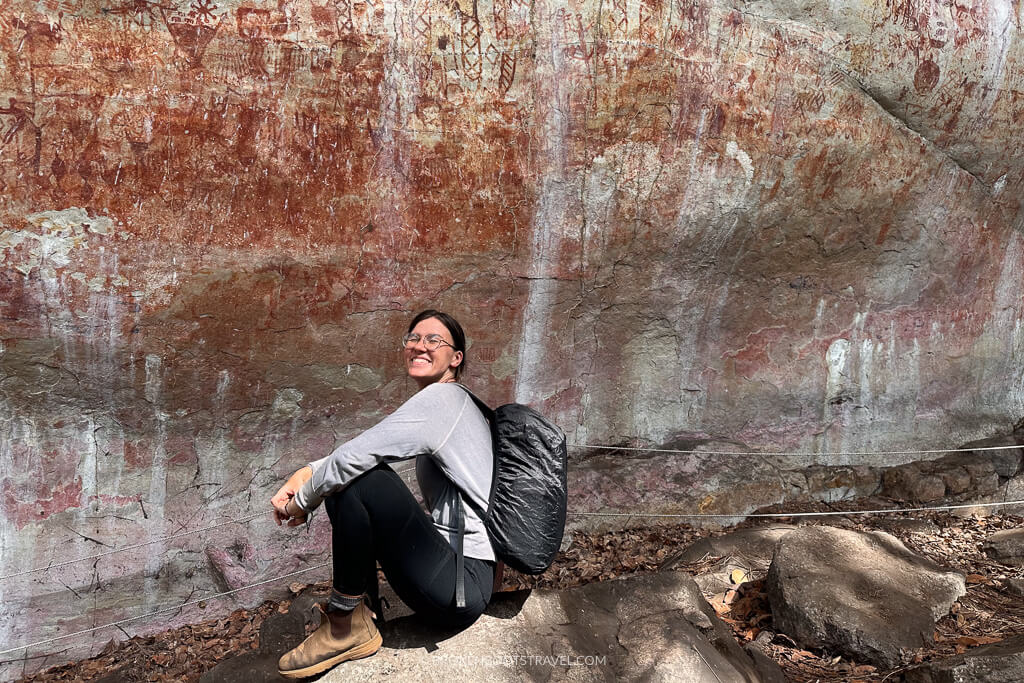


The department of Guaviare is home to some of the oldest examples of human civilization in the world — 12,000 year old rock paintings hidden within the Chiribiquete National Park. These pictographs paint a picture of what life would have been like for these ancient civilizations, from what they ate, to how they hunted, to who they worshipped.
There are pictographs located throughout the region, but the most accessible for tourists are located at Cerro Azul, about an hour outside of the Guaviare’s capital city of San José.
To access the pictographs you’ll need to hike to the top of a tepui, a unique, flat-topped mountain typical of this region. Along the way you’ll have a chance to experience some of the unique plant life in this region, as well as spot some wildlife (keep an eye out for jaguars!)
A visit to these pictographs is extra powerful because for years this department was completely inaccessible to tourists. Once plagued by violence, armed conflict, and insufficient infrastructure, the department of Guaviare has undergone a radical shift in the past decade, opening its doors to tourism again following a historic peace agreement in 2016.
Because of its remote location and protected status, it’s required to visit Cerro Azul with a guide. I went through Garden House Hotel in San José and highly recommend them!
WATCH THE FULL VIDEO: This Department Used to be OFF LIMITS | GUAVIARE
LA GUAJIRA – Visit Punta Gallina
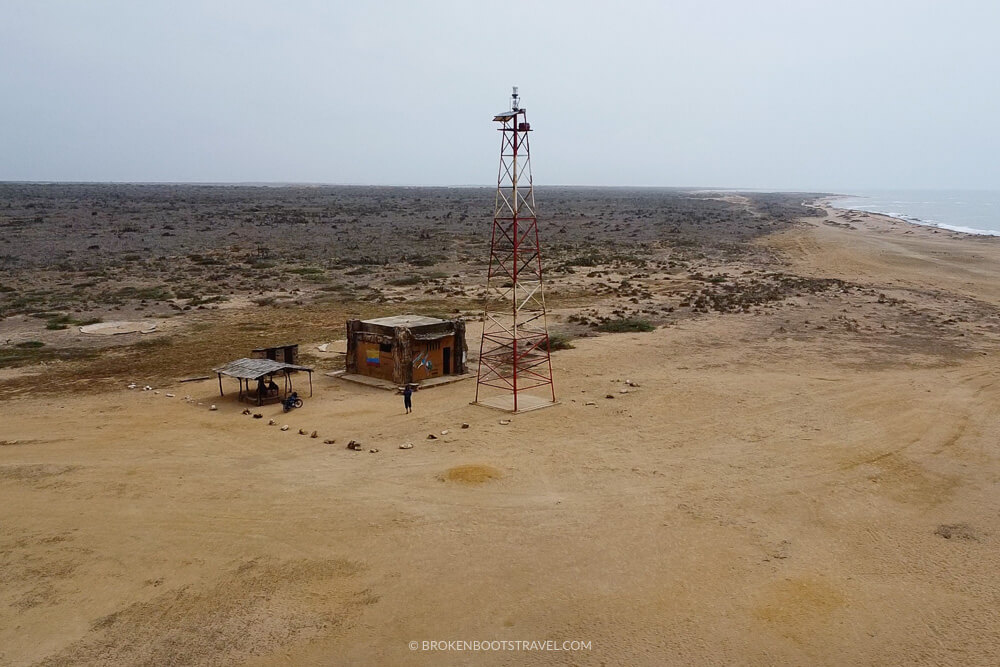


Punta Gallina, or “the end of the world,” is the northernmost point of Colombia – and the entirety of South America!
The site is located on the far end of a vast desert, which you must first traverse either by 4×4 or by motorcycle. I traveled independently through La Guajira but hired a local guide to take me to Punta Gallinas, which turned out to be part of the adventure! The route itself is truly otherworldly, winding through the desert landscape for hours!
The department of La Guajira is covered by desert, the indigenous homeland of the Wayuu indigenous nation. Due to the challenging conditions of the arid desert landscapes, the Wayuu people were one of the only indigenous groups in Colombia not to be fully evangelized by the Spanish. As a result, they maintain many of their indigenous traditions throughout the department – from food to language to dance.
I think La Guajira is a must-visit for any adventure traveler in Colombia. There’s truly no other place like it – the landscapes more closely resemble Mars than any other region of Colombia!
WATCH THE FULL VIDEO: Welcome to the END OF THE WORLD! | LA GUAJIRA
MAGDALENA – Hike to the Ciudad Perdida
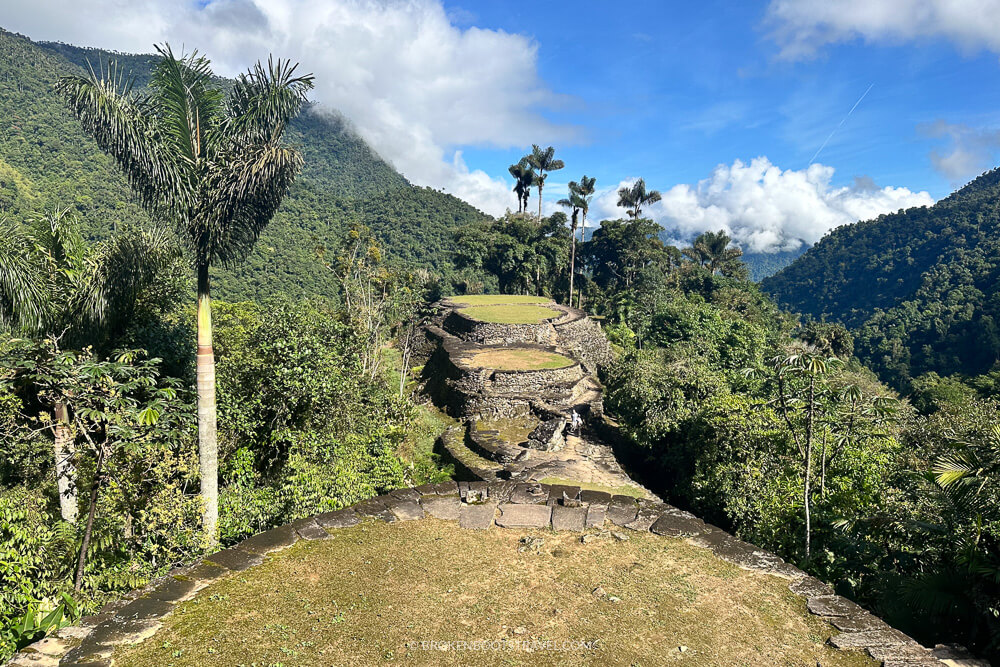


Buried in the mountains of the department of Magdalena is the remains of an ancient city – one older than Machu Picchu!
Located high in the Sierra Nevada Mountains, the area surrounding La Ciudad Perdida is the ancestral homeland of four indigenous groups – the Kogi, the Wiwa, the Arahuaco, and the Kankuamo. These groups still have a major presence in the area, so a hike to the Lost City is a respectful way to learn about and support the large indigenous presence in the region, both past and present.
But the hike is certainly not for the faint of heart – we’re talking 4-5 days of trekking through the jungle! Add in stunning mountain views, indigenous traditions, and a number of chilly mountain streams, and you’re in for one of the biggest adventures in Colombia.
I wrote an entire guide to the Lost City Trek based off of my experience on a 4-day trek with Magic Tour Colombia. Hikes to La Ciudad Perdida usually offer the option of 3, 4, or 5-day treks.
WATCH THE FULL VIDEO: We Found a LOST CITY in the Jungle! | MAGDALENA
META – Watch a Joropo Performance
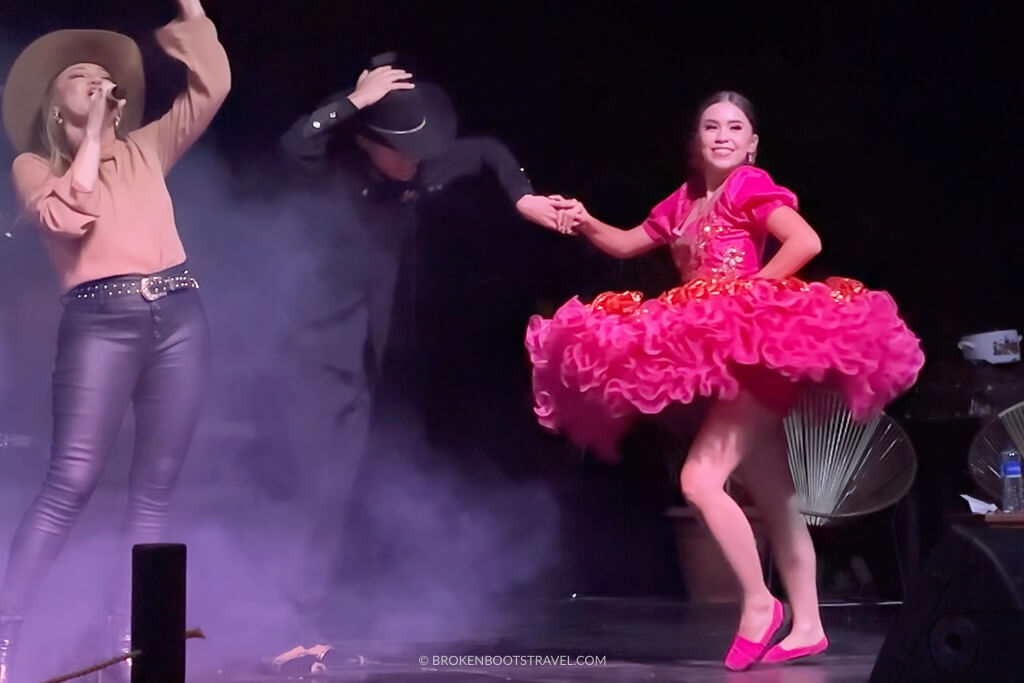


Joropo is practically synonymous with the Colombian plains — a quick-footed dance meant to mimic the movement of a horse’s hooves.
There’s truly no better place to experience the dance than at La Casa de Joropo Corculla in Meta’s capital city of Villavicencio. Here, all things llanero culture are celebrated — from the rhythms to the flavors to the resilience of Colombia’s very own cowboy culture.
This weekly show takes place on Friday and Saturday nights, hosted by America Rey, one of Colombia’s most beloved performers of musica llanera. Visitors will be able to try their own hand (or feet?) at joropo, as well as witness performances from some of the most talented dancers in the country.
You can book tickets online to witness a performance of your own, or simply keep your eyes and ears out for joropo rhythms throughout Colombia’s Eastern Plains. It’s sure to get your feet moving!
WATCH THE FULL VIDEO: Welcome to Colombian COWBOY COUNTRY | META
NARIÑO – Visit Santuario Las Lajas
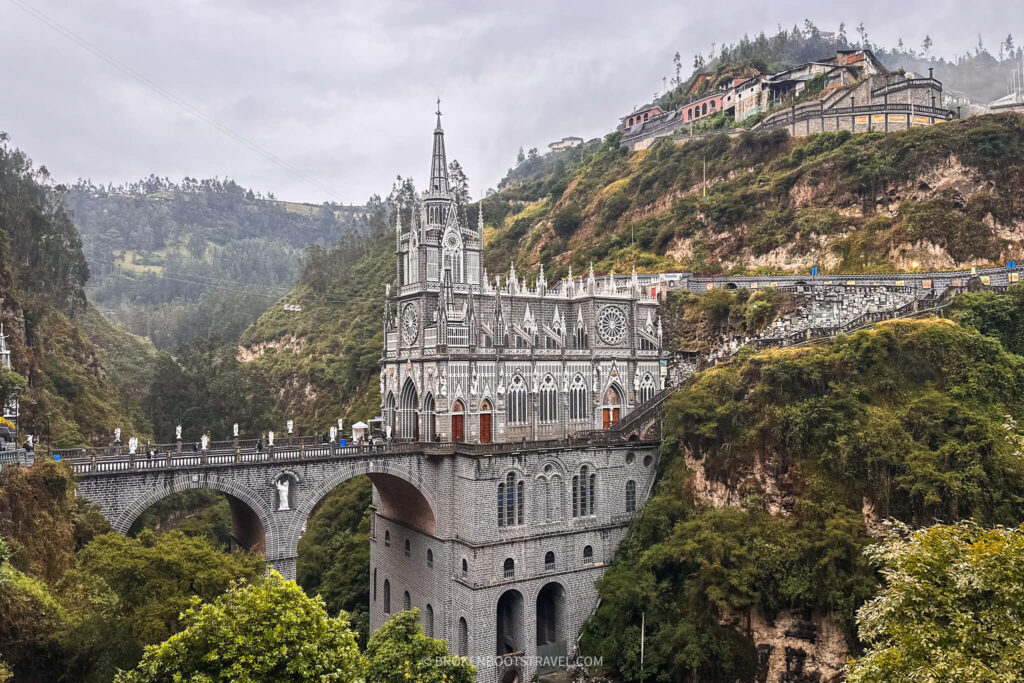


Las Lajas Sanctuary is often considered the most beautiful church in Colombia — if not the world! Built over a deep canyon along Colombia’s southernmost border, the church truly is striking, home to stunning gothic architecture and a breathtaking surrounding landscape.
But perhaps what makes this church most notable is the deep history surrounding it. Oral legend says that a miracle took place on this site — centuries ago, an indigenous woman and her daughter witnessed an apparition of the Virgin Mary on the walls of the canyon, and a shrine was constructed. In the years that followed, the church grew, taking over 40 years to construct the stunning cathedral we see today.
Las Lajas is located just outside of Ipiales, Colombia’s southernmost city. When you visit, make sure to stay until the sun goes down and you’ll have the chance to see the church illuminated in a multitude of colors. Remember this is an active space of worship, so please visit with respect and an open mind.
WATCH THE FULL VIDEO: Life on Colombia’s Southern Frontier! | NARIÑO
QUINDÍO – Hike in the Valle de Cocora
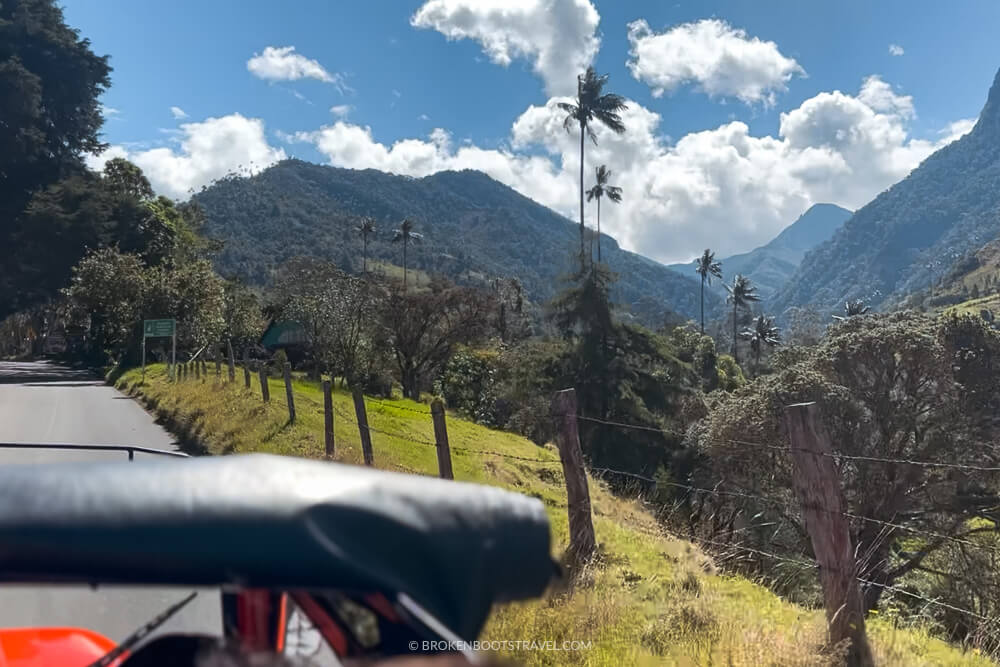


The Cocora Valley truly feels like stepping into another world. The valley is filled with Palmas de Cera, the tallest palm trees on the planet!
There are a number of hiking trails throughout the valley, from short trails full of photo ops to longer trails traversing creeks! The most popular route takes visitors through the palm trees up to a local finca, where you’ll have a chance to sip a cup of coffee overlooking epic views. Hey – you are in the coffee region after all!
Part of the adventure of visiting the Cocora Valley is the ride from the nearby town of Salento, which involves hopping in an old-school Jeep Willy and winding through the valley. Salento is worth a visit too – it’s often considered one of the most colorful towns in Colombia!
The department of Quindío was my home base for a year, so I’ve hiked nearly every trail in the Valle de Cocora at this point! I’ve written a full hiking guide to the valley, which you can check out to plan your trip!
WATCH THE FULL VIDEO: Exploring Colombia’s COFFEE REGION | QUINDÍO
SAN ANDRÉS – Visit Providencia Island


Colombia’s department of San Andrés is actually made up of three islands — San Andrés, Providencia, and Santa Catalina.
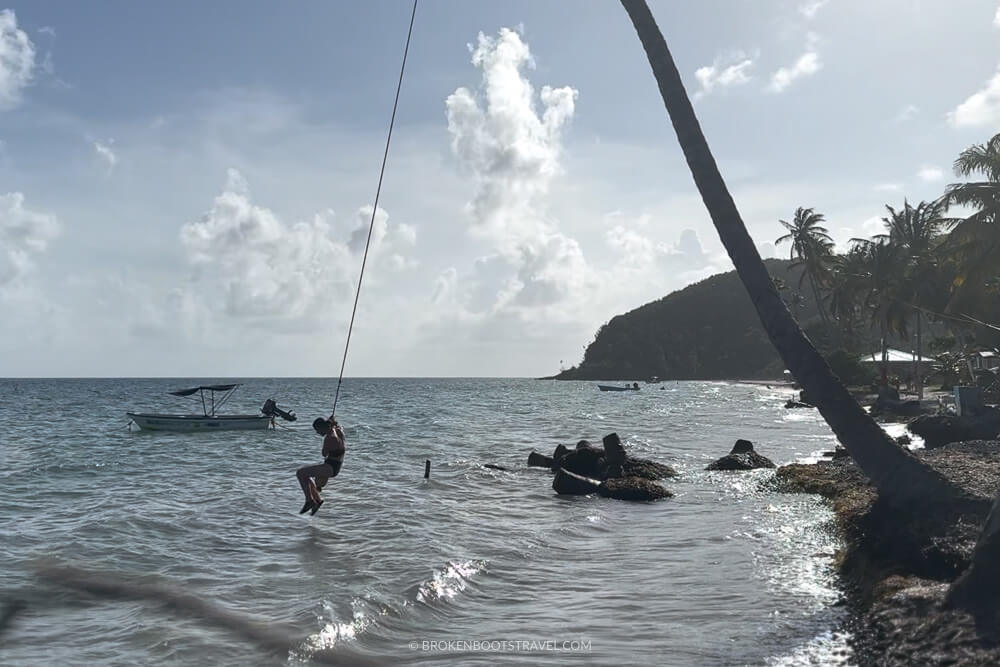
While San Andrés is the most visited, the untouched shores of Providencia are truly one of the most extraordinary places I’ve ever been. Yet to be dominated by beach resorts and tiki bars, Providencia Island embodies the true essence of island life in the Caribbean.
Home to only 5,000 permanent residents, there is a deep sense of community on the island. Reggae blasts over powdery white beaches lined with locally-owned restaurants, neighbors greet one another in the street, and all visitors are invited to embrace island life – shoes and shirt optional.
If you’re looking for a true island paradise, there’s certainly no other place in the world like Providencia Island. It’s a disconnect from the outside world, a place rooted in the deep pride of the local culture, history, and tradition. It’s a little off the beaten track, but I’ve written a whole guide on how to visit if you’re looking for an adventure!
WATCH THE FULL VIDEO: Colombia has CARIBBEAN ISLANDS? | SAN ANDRÉS
SUCRE – Watch the Sunset in Rincón del Mar


Sucre is one of the most diverse departments in Colombia, home to 5 distinct regions each with their own unique cultures, foods, and stories.
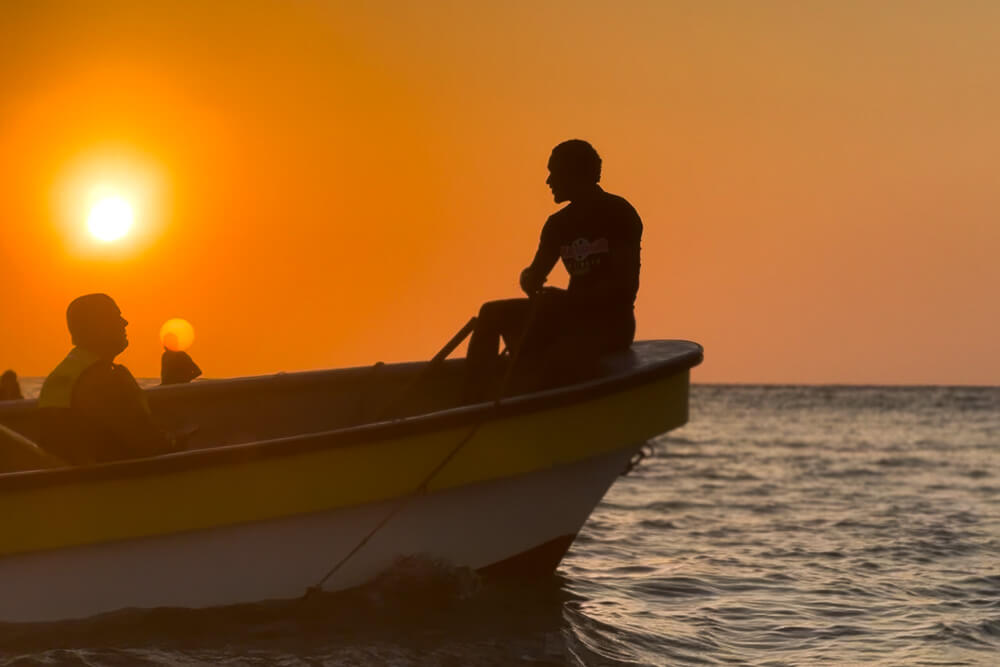
While many flock to the department’s capital of Sincelejo for the annual corralejas, the Caribbean coastline of Sucre truly stole my heart. Specifically, the epic sunsets in the beachside town of Rincón del Mar.
Home to the Reserva Natural Sanguare, Rincón del Mar is home to a diverse number of species and landscapes — from winding tunnels through the mangroves to countless colorful birds that call them home. Personally, I think it’s an underrated spot along Colombia’s Atlantic coastline, not yet impacted by the hyper-tourism of Barranquilla or Cartagena!
Take a boat from the beach for the best sunset views and then swim with the bioluminescent plankton once the sun goes down. Boat operators run tours regularly, so finding a ride is as easy as asking along the beach’s edge. Or simply enjoy the epic sunsets from the beach itself, coconut in hand!
WATCH THE FULL VIDEO: A Look Inside Colombia’s BULL FIGHTING CULTURE | SUCRE
TOLIMA – Visit the Ruins of Armero
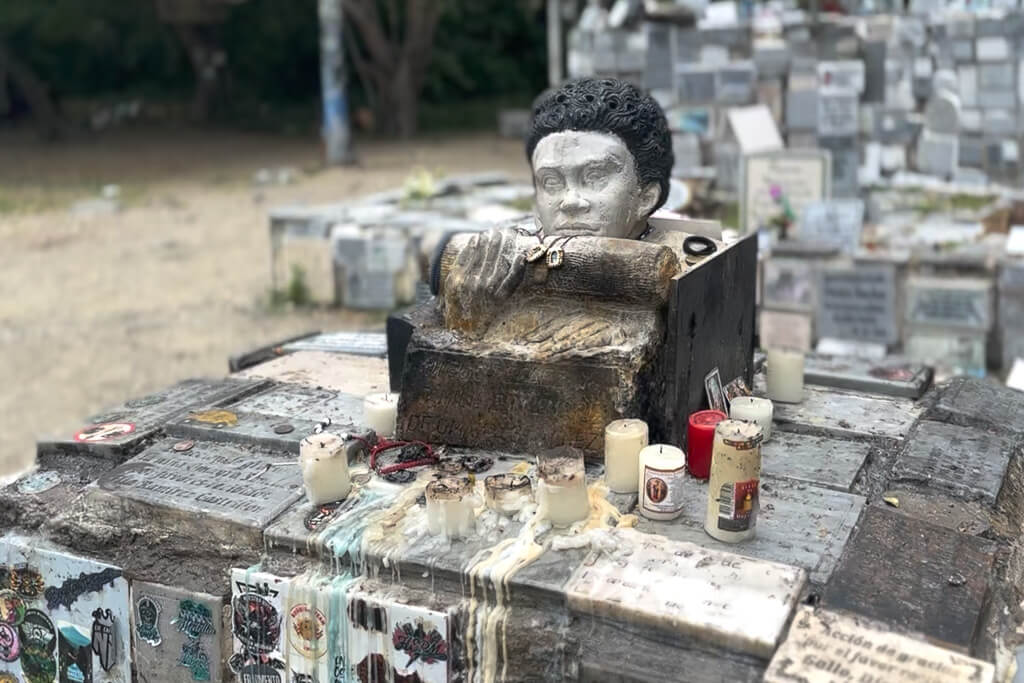


The department of Tolima was home to one of the nation’s greatest tragedies — the 1985 eruption of Nevado del Ruiz and subsequent destruction of the nearby town of Armero.
While this item is much more solemn than many of the other sites on this list, I genuinely believe a visit to Armero is one of the most important things you can do to better understand the history of Tolima, and Colombia as a whole. This town was wiped away overnight by mudslides caused by the nearby eruption, and has gone down in history as one of the most devastating preventable tragedies of all time.
One of the most notable images of Armero is the Pulitzer Prize winning photo of Omayra Sanchez, a 13-year-old girl who found herself trapped in the rubble of her home. Her image, taken by French photographer Frank Fournier, has become synonymous with the tragedy at Armero, and her memorial can be visited on the site of the former town.
A visit to Armero is quintessential for better understanding the history of Colombia, but should be approached with the utmost respect. I recommend visiting with a local guide if possible. Armero is easily visited from Tolima’s capital city of Ibague, or as a day trip from Bogotá.
WATCH THE FULL VIDEO: Colombia’s Most Musical Department! | TOLIMA
VICHADA – Attend El Corrío Llanero
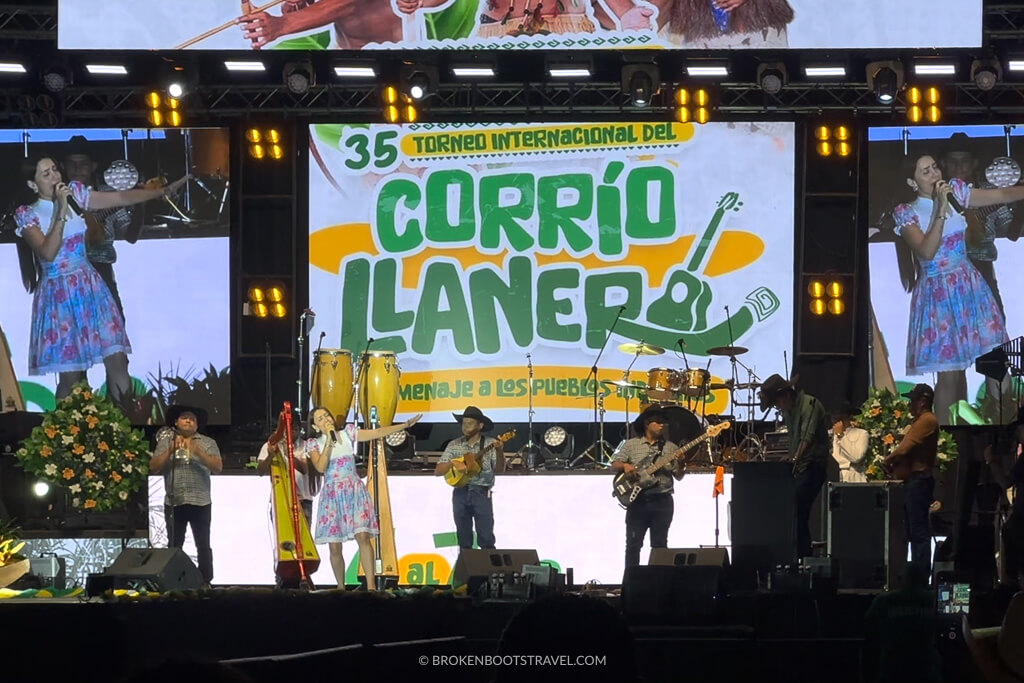


Vichada is one of Colombia’s most isolated departments, covering miles of Colombia’s eastern plains. Its capital city of Puerto Carreno rests right at the mouth of the Meta River on the Venezuelan border, and is home to one of the most unique cowboy traditions in the country.
Corríos are cowboy songs popular in the Colombian/Venezuelan plains. One genre of corrío is the contrapunteo, an improvised song sung between two or more performers. Basically think of it like a cowboy rap battle!
Every year, the city of Puerto Carreño hosts the Corrío Llanero, a major celebration bringing together llanero musicians from around the country (and Venezuela!) These musicians compete in contrapunteo as well as perform some of the region’s most popular songs. It’s truly the event of the year in the Colombian plains!
I arrived in Puerto Carreño via a 12-hour boat ride down the Meta River just in time for El Corrío Llanero – it truly felt like fate! The event ended up being one of my most memorable experiences in the country, perfect for travelers looking for an off-the-beaten-path adventure!
WATCH THE FULL VIDEO: A 12-Hour Boat to Colombia’s Most Isolated Department | VICHADA
BONUS 1: Medellín – Visit Comuna 13
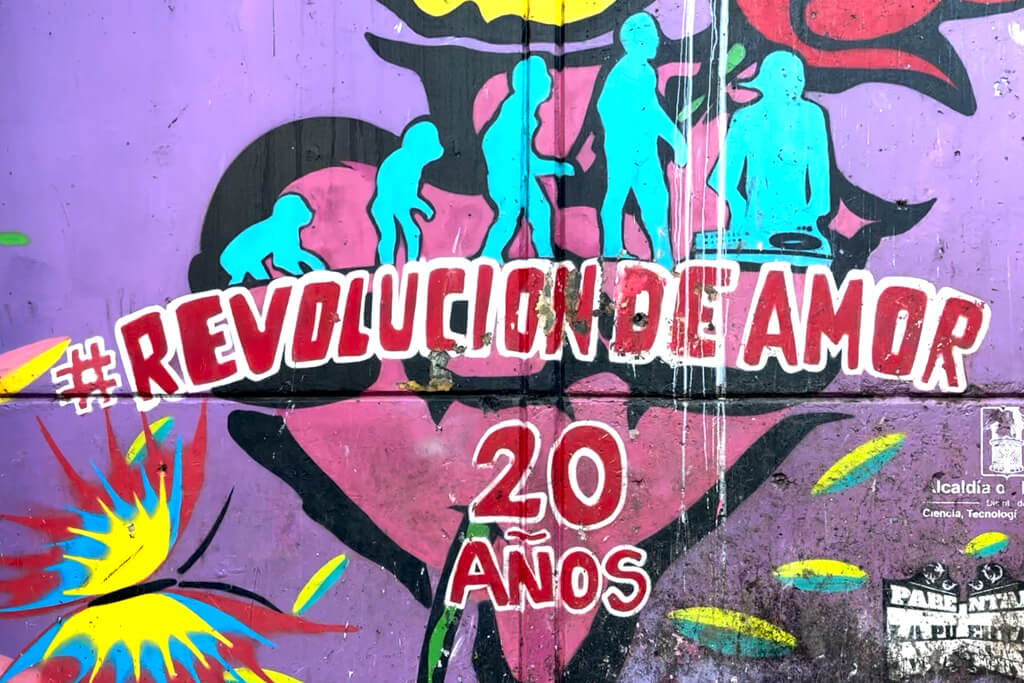


Medellín is such an extraordinary city, it earned its own place on this list!
There is so much to do in the city of eternal spring, but to truly understand the story of the city you can’t miss a visit to Comuna 13. This is one of the most unique neighborhoods in Medellín, a living example of the resilience and transformation of the city.
Comuna 13 was once the most dangerous neighborhood in the country, and the second most dangerous in the world. During the eighties and nineties it was overrun by cartels and guerillas, ultimately resulting in a highly controversial military operation in the early 2000s.
However, shortly after, a street art movement began in the neighborhood, turning Comuna 13 into a living piece of resistance art. These days, the neighborhood is still home to a number of artists, dancers, and activists, drawing in tourists from around the world to witness its transformation.
A visit to the comuna is vital to understanding the story and legacy of Medellín, but it’s important to visit in an ethical way. You can check out my guide to La Comuna 13 to learn more about this neighborhood and read my recommendations for visiting. It’s an easy spot to access, so even if you’re spending a short time in the city I recommend a visit.
WATCH THE FULL VIDEO: Is this the BEST CITY in Colombia? | MEDELLÍN
BONUS 2: Bogotá – Hike to El Cerro de Monserrate
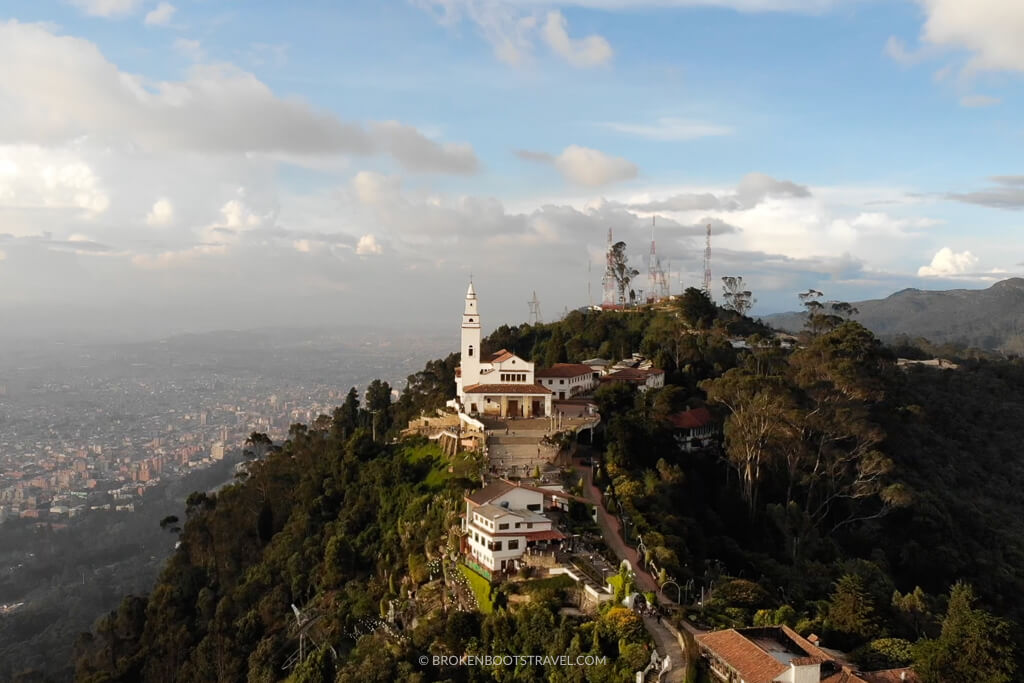


There’s no better viewpoint of Bogotá than from Monserrate Mountain, towering nearly 1,000 meters above Colombia’s capital city.
The mountaintop has long been a site of pilgrimage for visitors from around the world, who climb the two kilometers to the top to visit the Basílica del Señor Caído de Monserrate, home to one of the most important religious icons in Colombia.
But this mountaintop has been a site of pilgrimage long before colonization. The indigenous Muisca people also considered Monserrate mountain a site of significance. Every year on the summer solstice, the sun rises directly between the mountain of Monserrate and the nearby mountain of Guadalupe, believed by the Muisca to be the appearance of the Sun god Zhue.
I hiked to the summit of Monserrate on my visit, which proved to be a challenging but rewarding adventure! Even if hiking isn’t your style, you can still visit Monserrate via the cable car or the funicular, which will take you right to the top of the mountain! It’s a can’t-miss, whether you’re spending significant time in Bogotá or just passing through the city!
WATCH THE FULL VIDEO: Colombia’s MISUNDERSTOOD Capital City | BOGOTÁ
Keep Exploring Colombia
I’ll be updating this post as I travel around Colombia, but if you’re looking to plan your own trip to el país de la belleza, I highly recommend checking out everything I’ve written about Colombia, from the plains to the deserts to the mountains!
I also try to post a new department-focused video on my YouTube channel every few weeks, as well as shorts and photos from my adventures around the country! A like on my videos or a subscription to my channel seriously helps my videos get out there, if you feel so compelled!
Lastly, let me know your favorite things in your department! What did I miss on my travels, and which department should I explore next?
What to Pack for Colombia
Planning a trip to Colombia? Consider adding some of these essentials to your suitcase or check out my ultimate Colombia packing guide for more tips!
💧 Filtered Water Bottle – Save on the single-use plastic and protect from parasites!
🧥 Heavy-Duty Rain Jacket – For the ever-changing Colombian weather!
🎒 Anti-theft Backpack – Perfect for exploring big cities or trekking in the jungle
🧖♀️ Microfiber Travel Towel – A go-to travel essential anywhere in the world!
🔌 Portable Charger – Keep your phone charged out on the go
🔐 Mini Padlock – Perfect for securing your backpack or locking up your items at the hotel
🔋 Universal Travel Adapter – Charge all your devices anywhere in the world!
Love stories? Subscribe to my newsletter to get my latest updates delivered straight to your inbox every month. One email a month + no spam? Sign me up!


Virginia Taylor (Ginna) is a travel writer and photographer exploring the world until her boots wear through. She’s currently on a mission to explore all 32 departments of Colombia, though she formerly called the Middle East home. Want to know more? Visit the About Page.
Pingback: The Ultimate Guide to Providencia Island, Colombia - Broken Boots Travel
Pingback: Finding Love in the Heart of Colombia: Best Locations to Meet Your Partner - dating and traveling
I absolutely love this. I feel like a lot of people visit the usual suspects – Medellin, Cartagena and Bogota… but I’m so happy to see so many beautiful places of the country that deserves to be visited too!
Pingback: Colombia's Lost City Trek: Everything You Need To Know
Pingback: Colombian Celebrations: 10 Can't-Miss Festivals to Visit
Pingback: A Tourist's Guide to Barranquilla Carnival
Pingback: Best countries to travel to in South America