
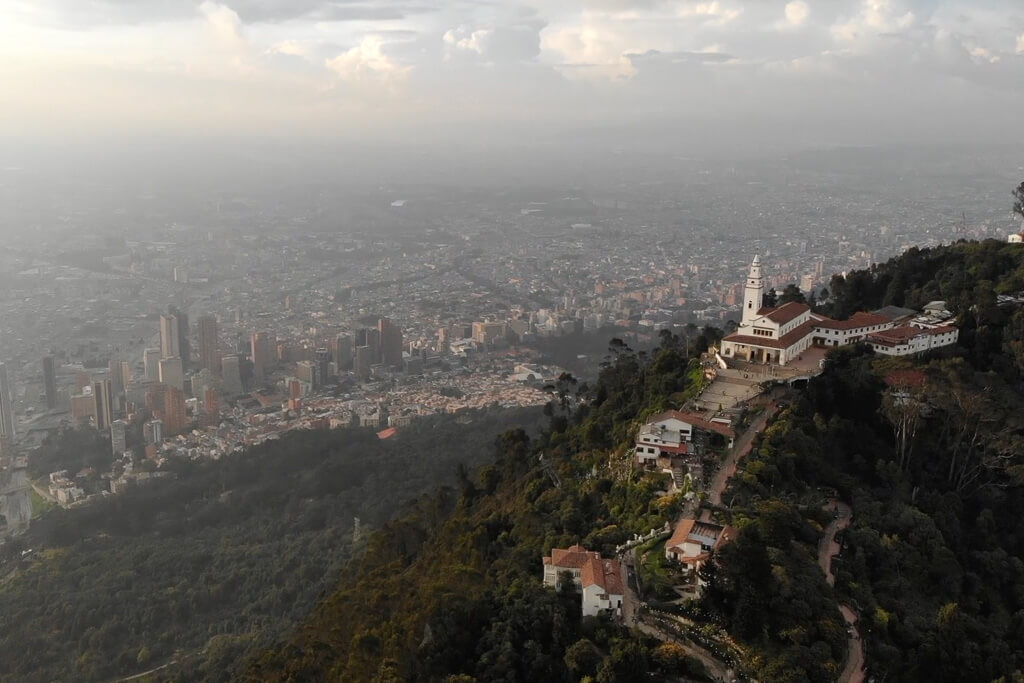
Colombia’s capital city of Bogotá is often the first stop on most travelers’ journey. The city is known for its street art, its history, and its chilly weather – it’s located at nearly 3,000 meters of altitude after all!
But Bogotá is also a great base for numerous day trips, home to some of the richest history in the country. From picturesque heritage towns to stunning natural landscapes to rich indigenous history, there is so much to discover around Colombia’s capital city.
So whether you’re visiting Bogotá for an extended period or just passing through, I highly recommend adding one of these day trips to your itinerary. So pack your bags and let’s get exploring!
But why should you trust me? Well, I’m currently on a mission to explore all 32 Departments of Colombia, meaning I’ve spent weeks exploring the stories of Bogotá and the surrounding regions. So this list of things to do near Bogotá is tried and true!
This site uses affiliate links to share products that I use and love! If you click on one of the links I may receive a small commission at no additional cost to you. This helps keep my site up and running — thank you!
Colombia Quick Links
✈️ Flights – Use Kiwi.com or WayAway to find the cheapest and fastest flights to Colombia
🛏️ Accommodation – Find the best places to stay throughout Colombia on Booking.com and Hostelworld.com
✅ Get Insured – I personally use Safety Wing Nomad Insurance for my travels all around the world! VisitorsCoverage is another great option.
🚗 Rent a Car – Find the best deals for a Colombia road trip on RentalCars.com
🗺️ Find Things to Do – Check out Get Your Guide, Viator, and Tripadvisor for exciting adventures all around Colombia
☎ Buy a Sim – Airalo offers eSIMS for over 200 countries and regions
Have more time to spend in Colombia? Check out my ultimate 3-week Colombia itinerary, or my 1-week itinerary covering both Bogotá and Medellín!
Understanding This Guide
There are plenty of things to consider before taking off on a day tour from Bogotá, so here are a few quick tips and tricks to help you plan your adventure.
GUIDED VS. INDEPENDENT TOURS: Many of the places on this list are able to be visited independently, however sometimes I recommend a guided tour for ease of travel, time, and budget. In this article, I’ll be sharing how to travel independently to each location, as well as recommended tours.
STAY CONNECTED: Having a local SIM card is CRUCIAL when traveling in Colombia, especially if you’re venturing outside the city center. I highly recommend Airalo eSIM – you can install the sim on your phone before you even get to Colombia, meaning you’ll land and be immediately connected!
WEATHER CONSIDERATIONS: Bogotá and its surrounding regions are located at quite high altitudes, right in the middle of the Andean mountain range. This means the weather can be quite chilly, especially in the mornings and evenings. Because of its tropical climate, weather in Colombia also changes rapidly, meaning you’ll want to be prepared for anything from rain to sunshine! I recommend a lightweight but durable rainjacket and sturdy waterproof boots.
SAFETY IN COLOMBIA: While Colombia is safer than it’s been in years to travel, there are still safety concerns to be aware of, especially when venturing outside of the major cities. Bogotá unfortunately has a reputation for petty theft, so keep your wits about you when exploring the city and venturing to the surrounding regions. For more info about safety in Colombia, check out my extensive breakdown here.
CARRY CASH: Many places in Colombia are cash-only, especially outside the major cities. I always advise travelers to carry a little cash on them wherever they’re traveling in Colombia, even with a guided tour. You don’t want to miss out on a delicious roadside snack or the perfect Colombian souvenir!
Curious about Colombia? Check out my favorite thing I’ve done in every department!
1. Zipaquirá and the Salt Cathedral
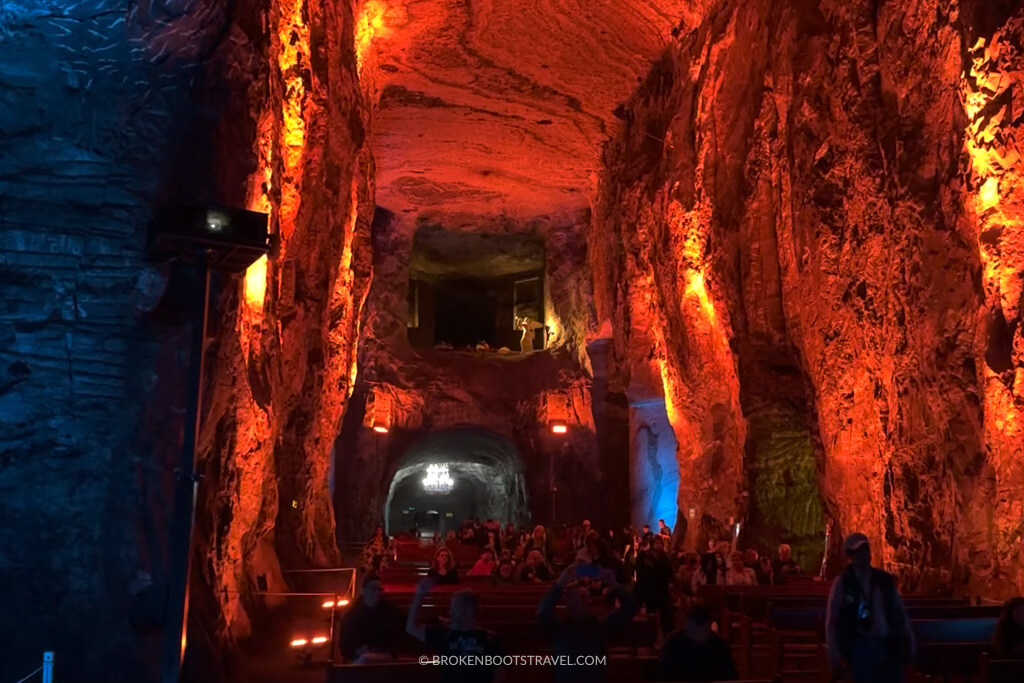
One of the most unique day trips from Bogotá, Zipaquirá is home to the famous Salt Cathedral – a huge Roman Catholic church built into a salt mine 200 meters below the ground.
The Altiplano Cundiboyacense (basically, the region surrounding Bogotá) is home to many natural salt deposits. These salt mines have actually been a part of the region’s history long before the arrival of the Spanish, and actually served as a major economic resource for the Muisca indigenous people of the region.
With the arrival of the Spanish, salt mining became a major export, and Zipaquirá grew to one of the largest mines in the country. Around the 1930s, miners had constructed a small sanctuary within the mine in which to practice their daily worship. In the 1950s, construction began to expand the project, with the eventual opening of the Salt Cathedral in 1954, dedicated to Sant Barbara, Patron Saint of Miners.
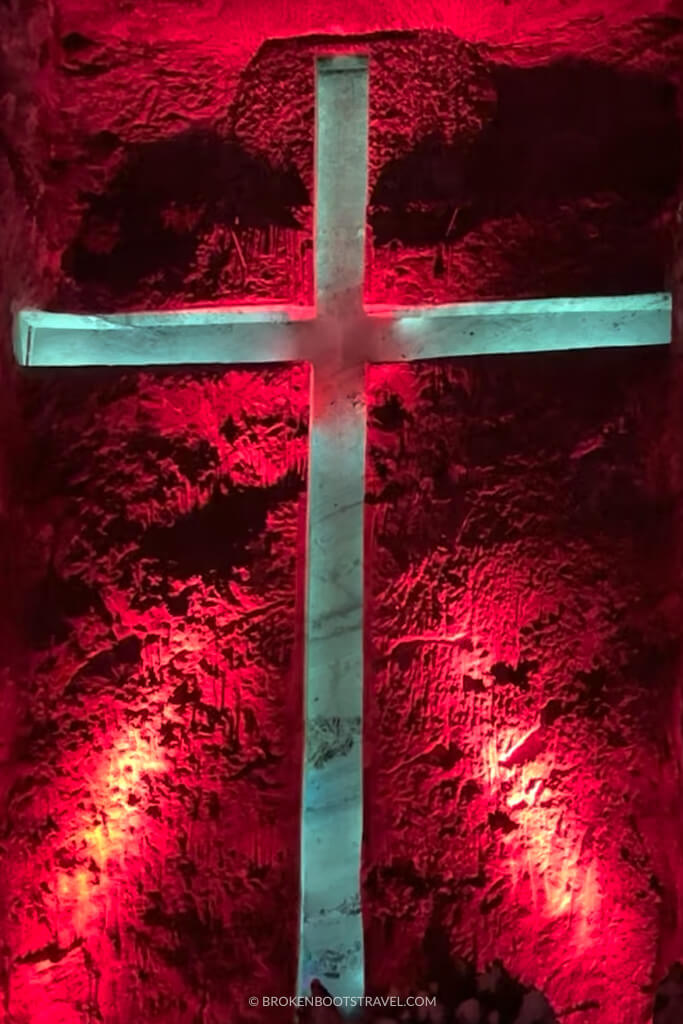
In the years since, the Salt Cathedral has undergone a major transformation, now home to three naves and the Stations of the Cross. It’s a major site of religious pilgrimage for many devoted Catholics in the country, but even non-Catholic visitors will marvel at the major architectural feat and hauntingly beautiful salt walls illuminated deep beneath the earth.
Weather in Zipaquirá
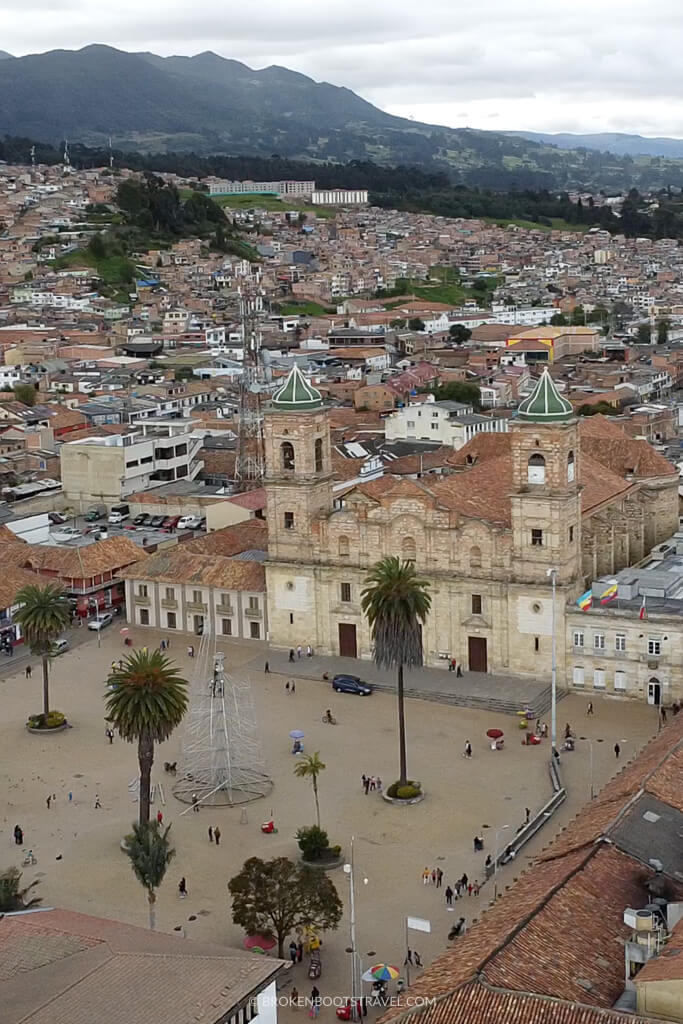
The town of Zipaquirá has a climate similar to Bogotá, located a little under 3,000 meters above sea level. Wearing layers is highly recommended, with temperatures varying throughout the day. Mornings tend to be colder, ranging around 45-50 degrees, whereas things will heat up during the day, reaching around 65-70 degrees.
However, temperatures drop quite significantly in the Salt Cathedral, as it’s located deep underground. I recommend bringing a lightweight but sturdy coat to throw on in the mines – I highly recommend this one! A hat and gloves can’t hurt as well, especially if you run cold!
How to Visit Zipaquirá
Zipaquirá is located just about an hour north of Bogotá. To visit independently, first take a bus from Bogotá’s Terminal Norte to Zipaquirá. Prices depend on the operator, but average around 10,000-15,000 COP ($3-$5 USD)
The bus terminal is located just a few blocks from the Parque Principal of Zipaquirá. You can walk from the station to the plaza (around 10 minutes) or all the way to the Salt Cathedrals (around 30 minutes) Alternatively, taxis are readily available outside the bus terminal to take you to the salt cathedral if you choose.
A unique alternative transportation option is to take the Turistren. This train utilizes old tracks from the old Bogotá railway, but is now a tourist train transporting passengers between Bogotá and Zipaquirá along some of the most scenic routes in the Bogotá savanna. It’s one of the most unique ways to visit Zipaquirá and participate in an integral piece of the region’s history!
The train operates on weekends only, and costs 84,000 COP ($22 USD) round trip. I recommend booking in advance, as the train only runs once a day, twice a week. You can catch the train from Bogotá’s Gran Estación or Estación Usaquén. You can find more information and book your tickets online here.
Recommended Tours of Zipaquirá
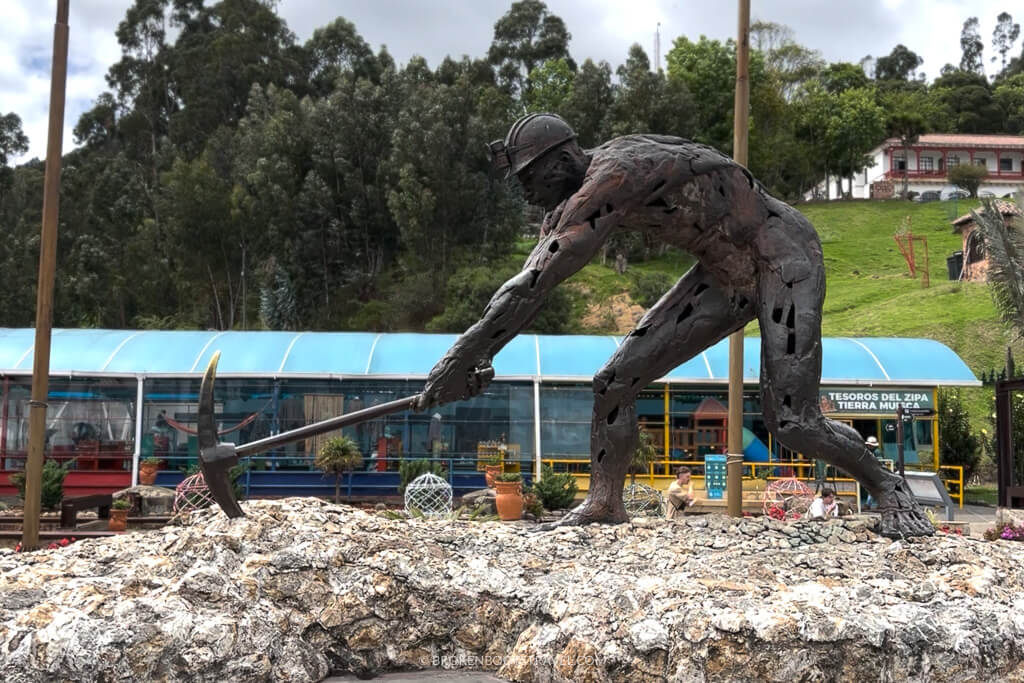
If you’d rather take a guided tour of Zipaquirá, there are plenty to choose from! This can be a great way to not just get to know the mines, but also the surrounding town. Here are some of my top recommendations.
🧂 Zipaquirá Salt Cathedral Group Tour with Pickup – Visit the stunning Zipaquirá Salt Cathedral and explore the surrounding town with a local guide on this group tour with pickup from Bogotá. This tour also includes a delicious Colombian lunch!
⛪️ Private Tour of Zipaquirá Salt Cathedral – Experience the majesty of Zipaquirá on your own on this private tour with a local guide. Along the tour, your guide will explain the history and significance of this beautiful site. Note that park entry fees are not included on this tour.
⛪︎ Zipaquirá and Nemocón Salt Mine Tour – Explore two of the most notable salt mines in the region on this day tour. You’ll have a chance to witness the beauty of these two stunning salt mines, as well as learn the history of salt mining in the region.
2. Guatavita Town and Laguna Guatavita
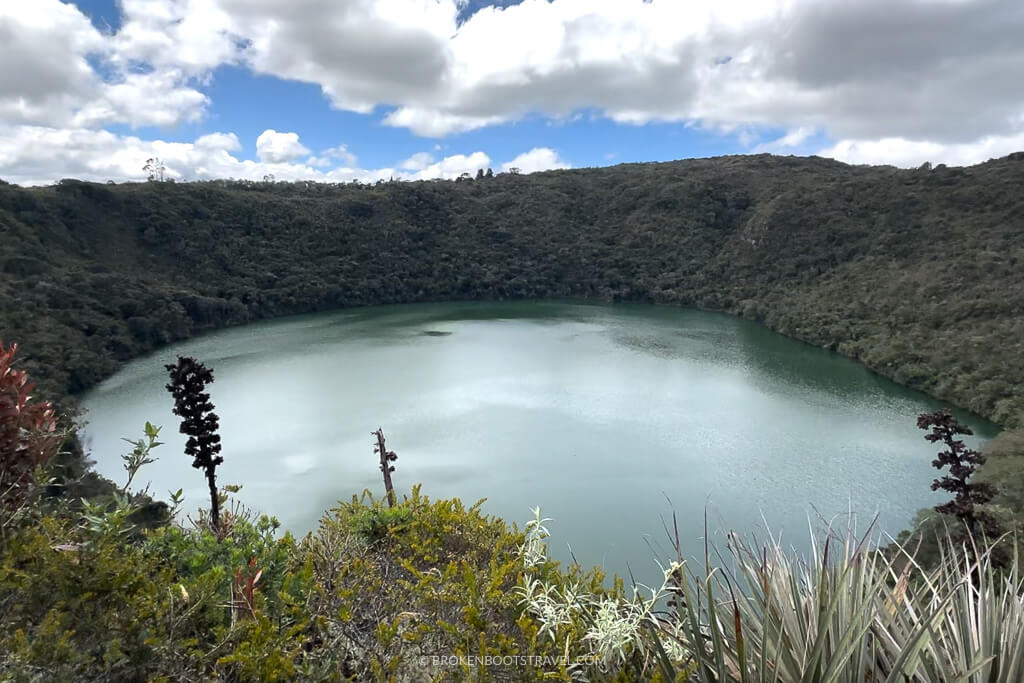
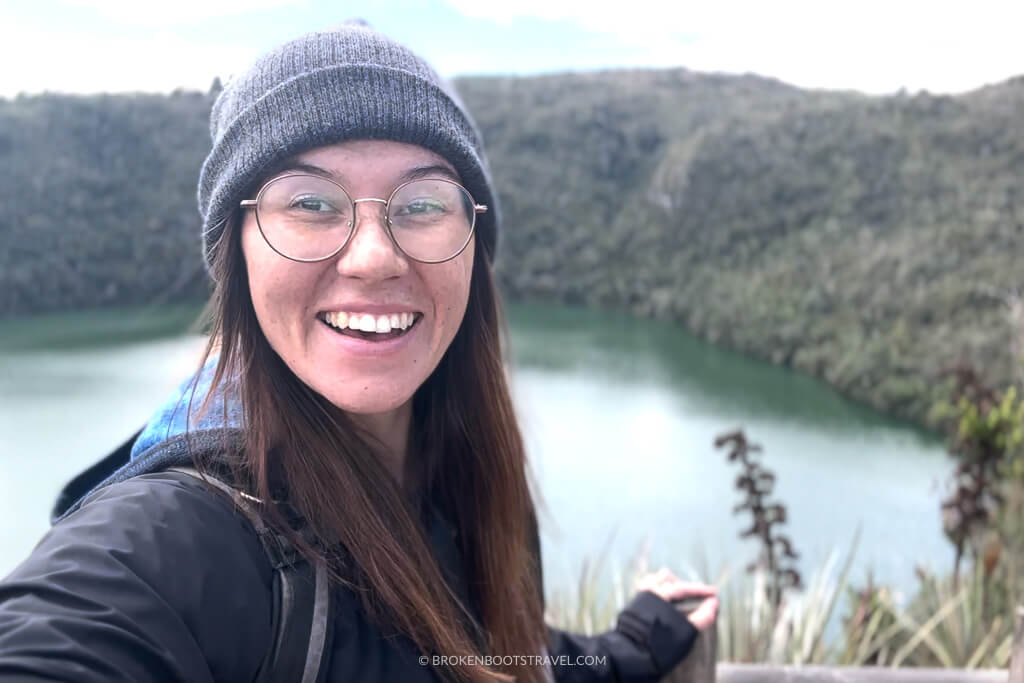
Laguna Guatavita is one of the most historically and culturally significant locations in the region, and one of the best day trips from Bogotá for history lovers.
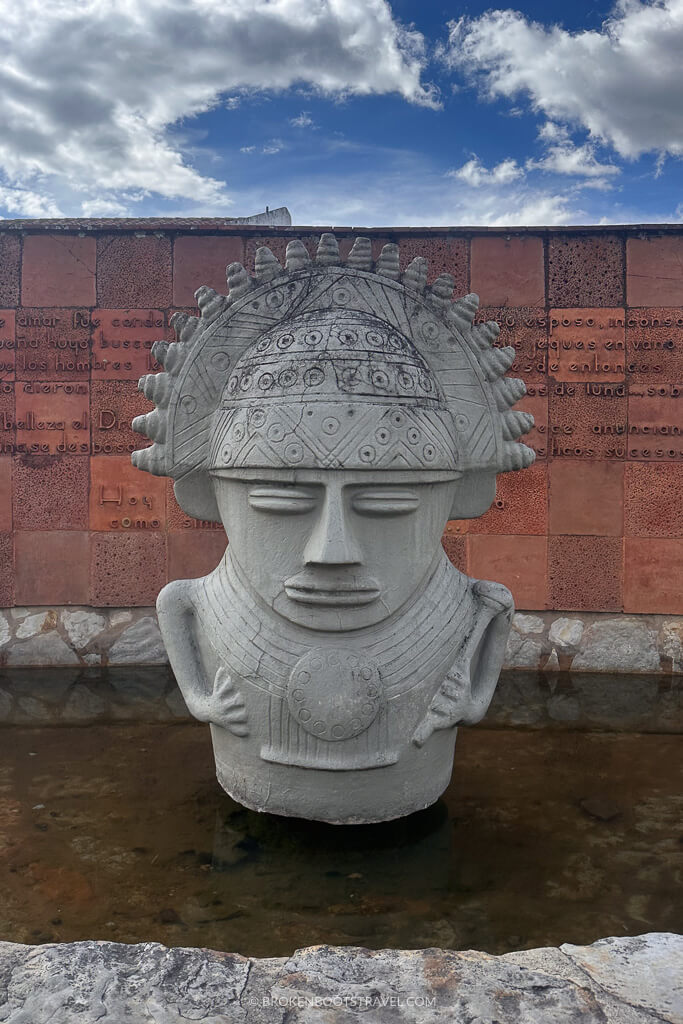
Laguna Guatavita is a circular lagoon surrounded by towering mountains, already a beautiful sight to behold. But the lagoon was also of deep religious significance to the indigenous Muisca people of the region, and home to one of their most sacred rituals.
In adoration of the spirit of the moon, Chia, the chief of the Muisca people would first cover himself in gold dust. Next, accompanied by priests, he would row to the center of the lagoon, throwing offerings of gold, emeralds, and figurines in the lake. Finally, he would submerge himself in the lake, washing away the gold dust as the community celebrated and worshipped from the shores. It was from this ritual that the legend of El Dorado was actually born – a hidden city of gold beneath the water.
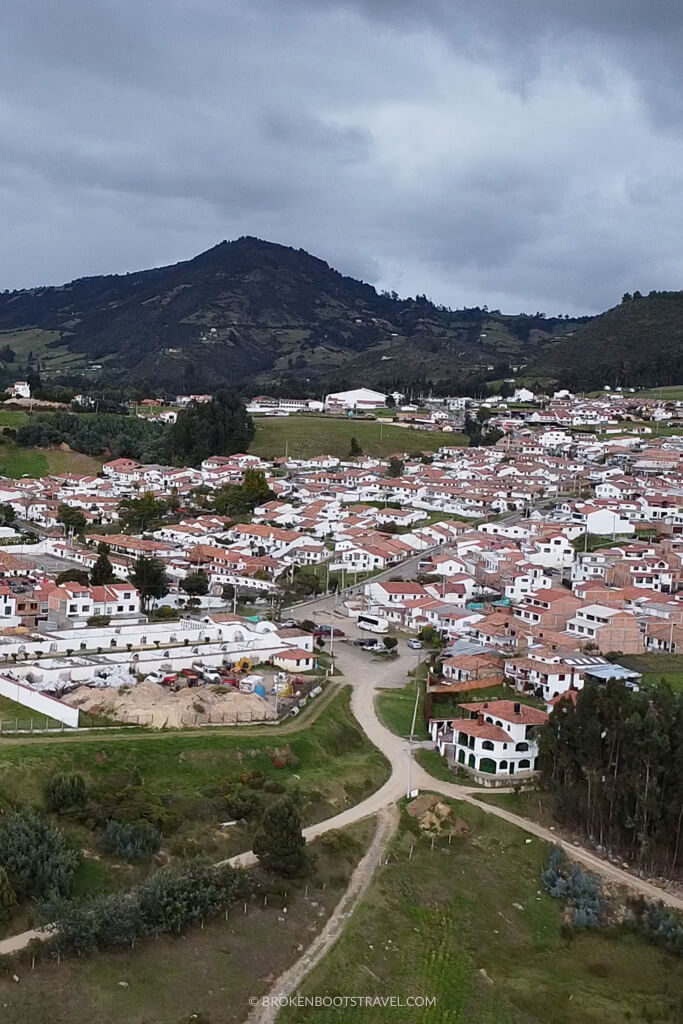
The nearby town of Guatavita is also worth a visit, easily combined on a day trip. Known for its white-washed walls and quaint colonial architecture, it also offers beautiful views of the nearby Embalse de Tomine, the perfect place to watch the sailboats pass by or enjoy a beautiful sunset.
Weather in Guatavita
Guatavita is located just under two hours from Bogotá, but at a higher altitude. This means the weather is often slightly cooler, ranging around 55-65 degrees year round. Weather is also known to change quickly in this region, so I recommend coming prepared with layers for all weather scenarios – from a warm hat and gloves to a durable rain jacket.
How to Visit Guatavita
It’s important to note that there are two main destinations people are referring to when they say Guatavita. The first is the town of Guatavita, located around 1.5 hours north of Bogotá, the second is Lake Guatavita, located 30 minutes from town, or two hours from Bogotá.
The easiest way to visit both in one day is to first visit the town of Guavaita, where you’ll then find transportation from the central square to the nearby Lake Guatavita. You can take a bus from Bogotá to Guatavita from the Portal del Norte Terminal, usually costing around 10,000-15,000 COP ($3-$5 USD). I recommend arriving early to make sure you have time to explore the town before heading to the lake.
Alternatively, if you wish to visit the lake first, I recommend taking a bus from the Portal del Norte Terminal to the town of Sesquilé, then hiring a local taxi to take you to the lake entrance. After exploring the lake, you can either go back to Sesquilé to return to Bogotá, or catch a ride to Guatavita town from the lake. From Guatavita town, you’ll have to visit the bus station to find a ride back to Bogotá.
Recommended Tours of Guatavita

Don’t want to DIY? Check out some of these recommended tours, which include a visit to the Lagoon and Guatavita town!
⚜️ Guatavita El Dorado Legend Tour – Dive into the legend of El Dorado on this day tour from Bogotá to Guatavita. You’ll have the chance to explore the new town of Guatavita as well as the stunning Guatavita Lagoon, as well as learn the origins of the El Dorado legend along the way.
🪂 Paragliding Over Guatavita Tour – Adrenaline lovers, get ready to see Guatavita from new heights! This tour includes a paragliding experience over Guatavita town, with stunning views of the adjacent Tominé Reservoir. Note that this tour does not include a visit to Guatavita Lagoon.
🧂 Guatavita and Salt Cathedral Tour – Experience the best of two of Colombia’s natural wonders on this tour, explore Lake Guatavita and pay a visit to the famous Zipaquirá Salt Cathedral! Along the way, learn about the indigenous, Spanish, and modern history of the region.
3. Villa de Leyva
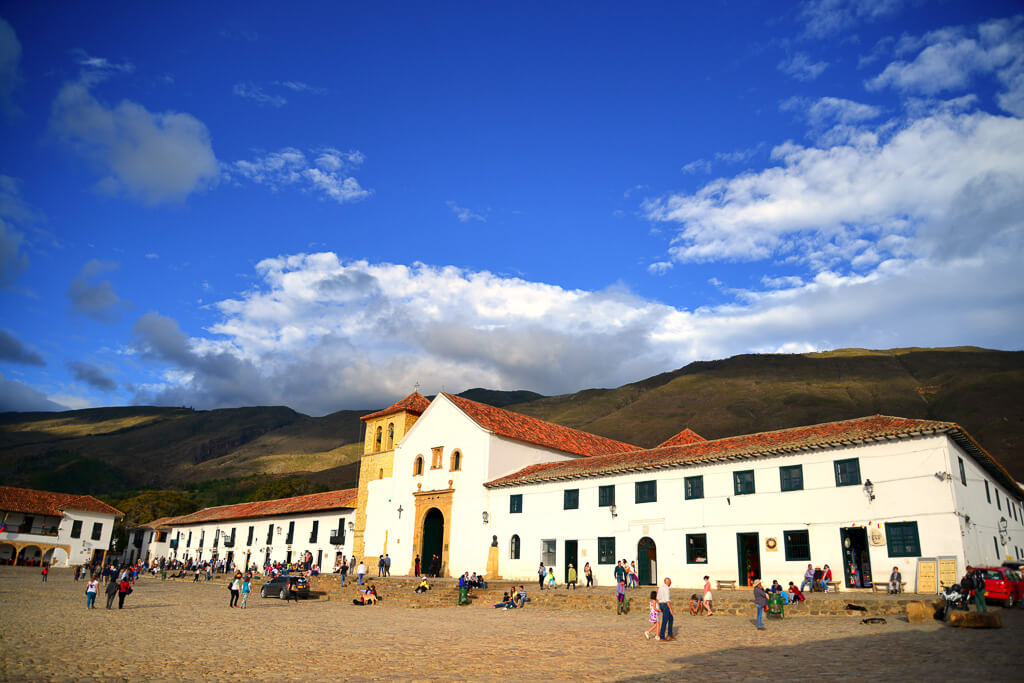
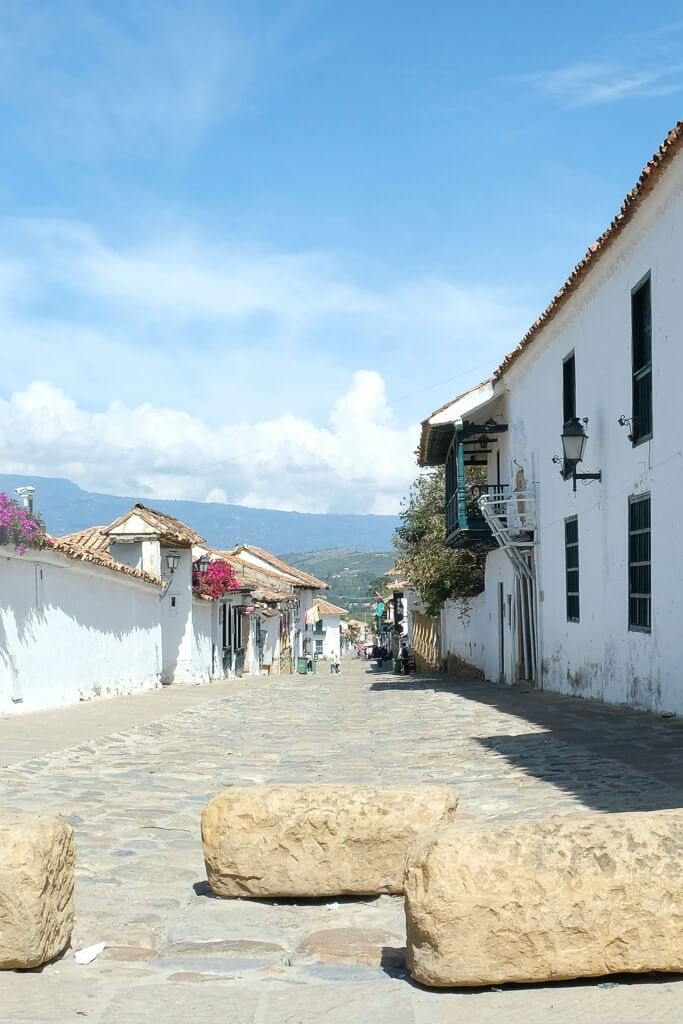
Villa de Leyva is one of Colombia’s 18 heritage towns, located in the nearby department of Boyacá. The town is notable for its remarkably preserved colonial-style architecture, often noted as one of the most beautiful towns in the country. It’s one one of the best day trips from Bogotá for those looking to witness the colonial architecture of the region.
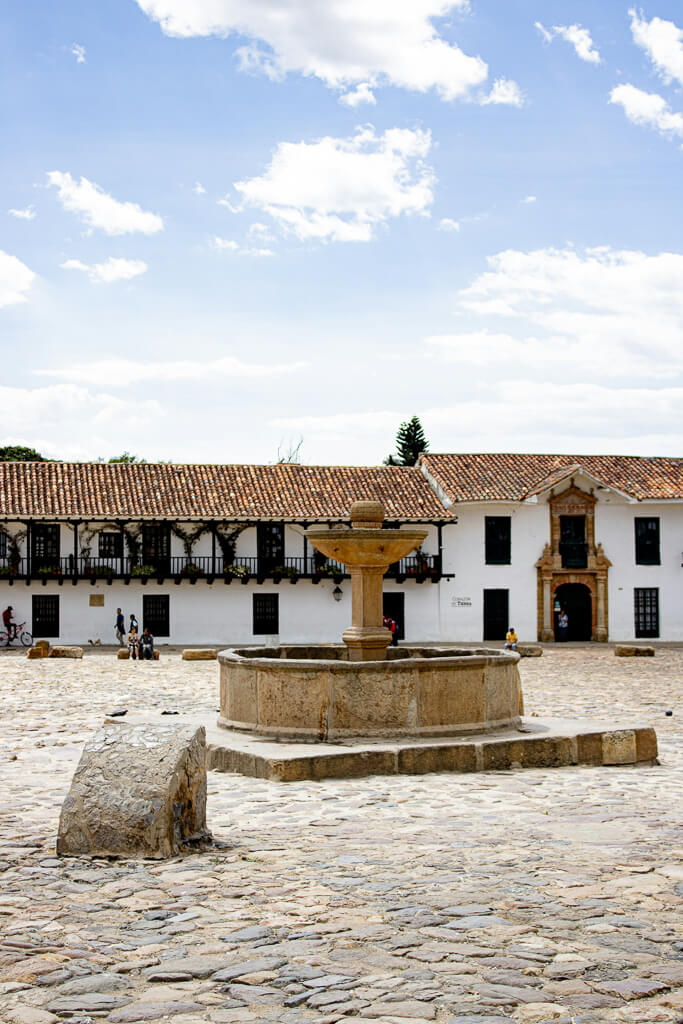
The town square of Villa de Leyva is the largest in the country, surrounded by restaurants where you can try a variety of delicious Colombian dishes. The town square is also the center of Villa de Leyva’s annual kite festival, or El Festival del Viento y las Cometas. This festival is held every August, bringing in thousands of visitors from across the region to display their kites and participate in the numerous competitions.
If you happen to be visiting in December, Villa de Leyva also participates in the annual Ruta Navideña. This is one of the biggest Christmas traditions in Colombia, a network of towns across the region who cover their center squares in lights and decorations and host a variety of events throughout the Christmas season. It’s truly a can’t-miss event if you’re spending Christmas in Colombia!
Weather in Villa de Leyva
Villa de Leyva sits at a slightly lower altitude than Bogotá therefore the climate is quite similar to the city, ranging around 65-75 degrees year-round. However, due to the mountainous terrain weather can vary quite greatly in this region, so I recommend coming prepared with a good rain jacket and a warm hat.
How to Visit Villa de Leyva
Villa de Leyva is located about 3-4 hours north of Bogotá, so it’s best to leave early in the day to maximize time. From Bogotá’s Terminal Norte you can book a bus with multiple operators, with prices ranging around 30,000-40,000 COP ($8-$10 USD) each way. Find buses to Villa de Leyva on Busbud here.
Recommended Tours of Villa de Leyva
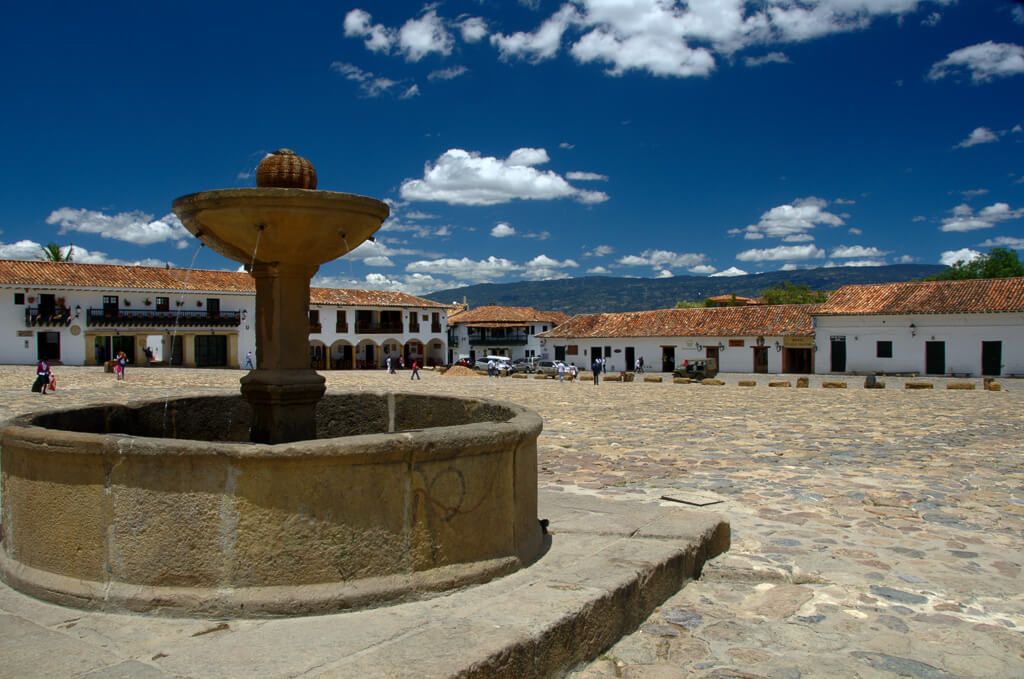
Villa de Leyva is considered one of the most beautiful towns in Colombia for a reason! Check out one of these recommended tours to explore more.
🏡 Villa de Leyva Magic Town Tour – This day trip to Villa de Leyva includes an in-depth history of the history, art, and culture of this beautiful town. Along the way, you’ll also have the chance to visit El Puente de Boyacá, the final site of the battle of Colombian independence.
🪴 Villa de Leyva, Pozo Azules, and Ráquira Tour – This full day tour takes you to some of the most notable sites in the altiplano cundiboyacense, including the artisanal town of Villa de Leyva, the quaint village of Ráquira, and the pozo azules nature area. This tour also includes a visit to the Chocolate Museum in Villa de Leyva.
🏘️ Five Hour Villa de Leyva City Tour – Want to dive deep into the history of Ville de Leyva? This five hour city tour includes all the highlights, from the Fossil Museum to a number of historical landmarks. This is truly the best tour to indulge in the cultural and historical richness of this region.
4. La Chorrera Waterfall
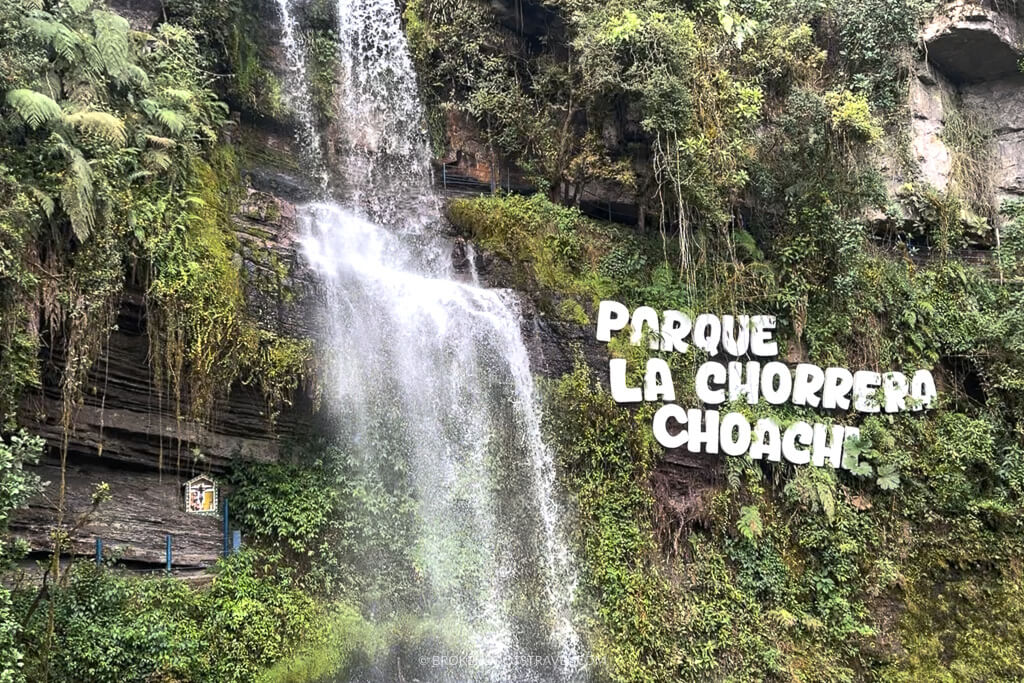
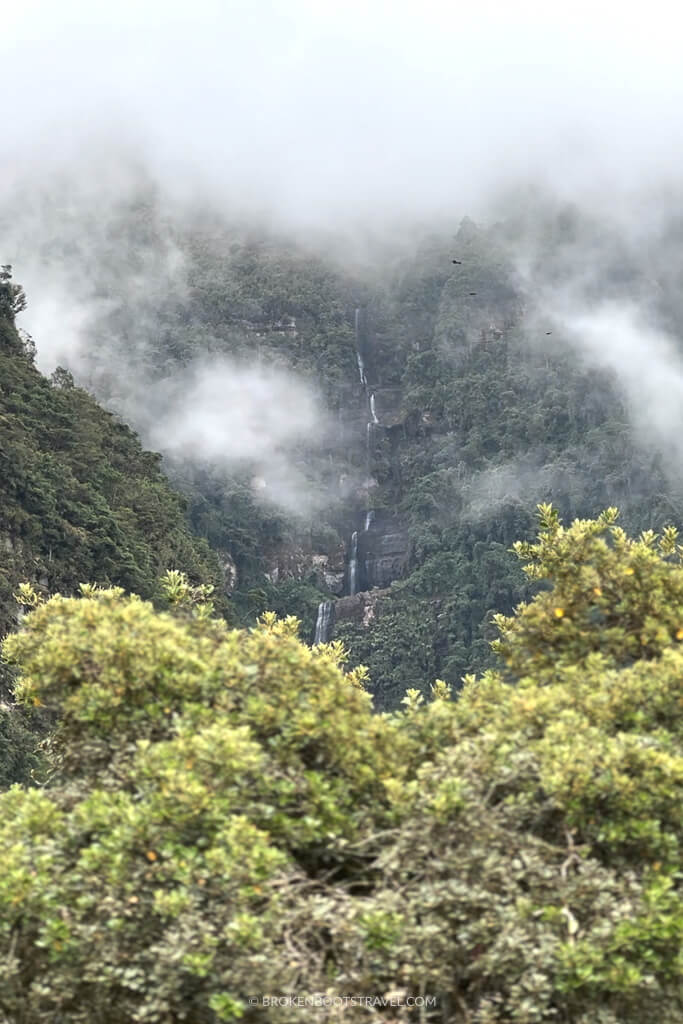
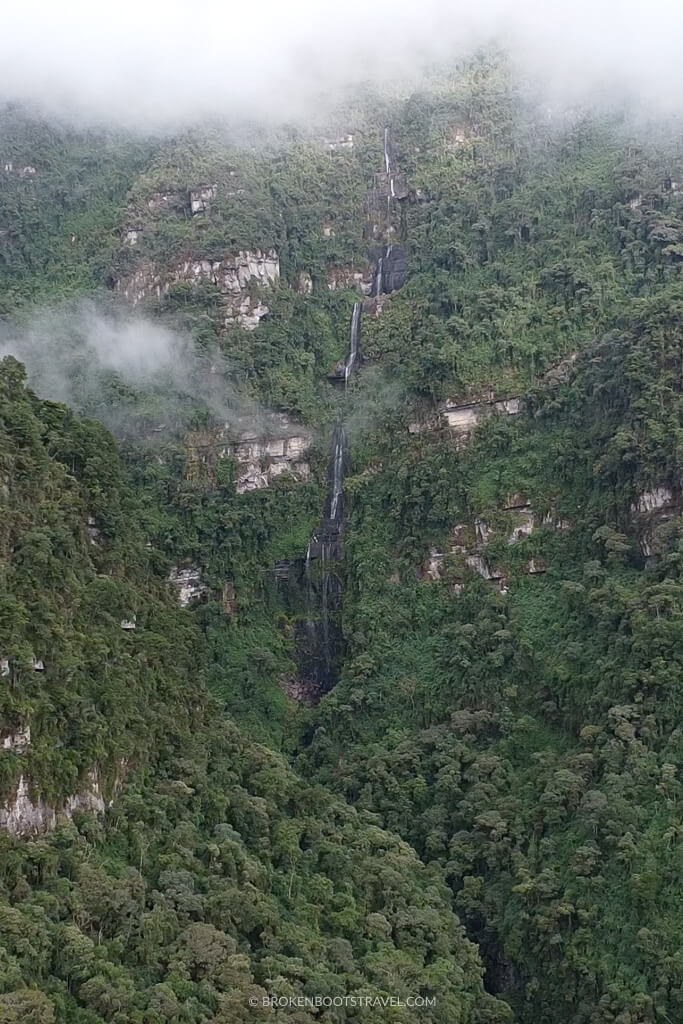
La Cascada La Chorrera is the tallest waterfall in Colombia, towering at 590 meters (approximately 1,935 feet) tall. It plummets through the cloud forest in the municipality of Choachí, making it one of the most stunning sights in the country.
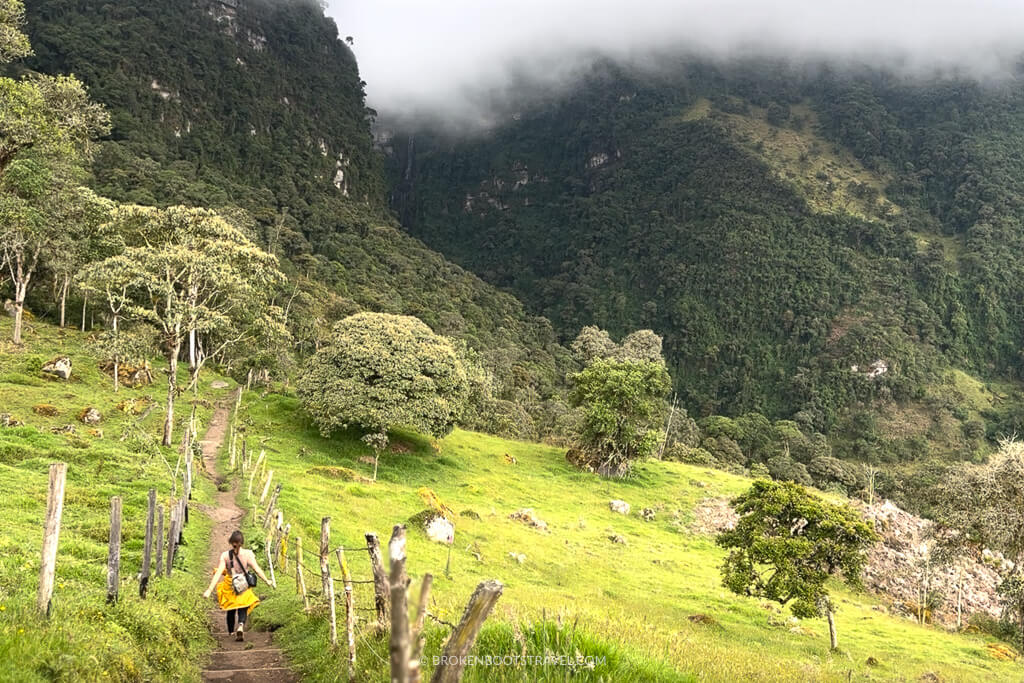
La Chorrera is located within the Choachí Adventure Park, at the end of a moderate three kilometer hike through a beautiful cloud forest. The park is also home to a number of other activities, from camping to canyoning as well as a number of on-site restaurants.
The hike to La Chorrera is one of the most stunning landscapes in the country, with incredible views of the falls as you pass through the valley below. Along the hike you’ll also find a smaller waterfall called Cascada El Chiflon, which has a path that leads up and behind the falls. There’s also a nearby restaurant where you can grab a coffee along the trek!
Weather at La Chorrera Waterfall
La Chorrera is located in a beautiful cloud forest. However, this means the region is quite wet, with temperatures ranging around 55-65 degrees daily.
I recommend coming prepared for the hike with good wet-weather gear, including a durable rain jacket, good-quality boots, and waterproof protection for your bags. At the entrance to the park you’ll also receive a goodie bag, which includes a poncho for additional rain protection if needed.
How to Visit La Chorrera Waterfall
From the drop point, there is a small 12-passenger van that will take you the rest of the way to the park entrance, about 10 minutes down the road. The van costs 20,000 COP ($5 USD) each way as of 2025. It only runs a few times a day, so you may have to wait a bit for it to pass. Luckily there are lots of restaurants and cafes to relax while you wait.
Alternatively, you can walk the rest of the way down the road to the entrance, about 5km in total. The road is unpaved but fairly flat, minus an uphill stretch at the end to the park entrance. Once you’ve arrived at the entrance, you’ll be able to choose one of the different entry packages to La Chorrera. You can read my full guide to Cascada La Chorrera to learn more!
Recommended Tours of La Chorrera Waterfall
Don’t want to hike alone? Check out some of these highly rated tours of La Chorrera from Bogotá!
⛰️ La Chorrera Hike Tour from Bogotá – Journey through Colombia’s highlands to the tallest waterfall in the country! Along the way, your guide will share local legends and stories. This tour also includes a traditional lunch after the hike.
🗻 Colombia’s Highest Waterfall and Guadalupe Hill Tour – This full-day tour from Bogotá takes you over the Colombian highlands to La Chorrera, with a quick stop to admire the views of the city from Guadalupe Hill.
💧 Tour of La Chorrera The Highest Waterfall in the Country – Embark on an adventure to Colombia’s highest waterfall on this full-day tour from Bogotá with a local guide.
5. Las Piedras de Tunjo Archeological Park
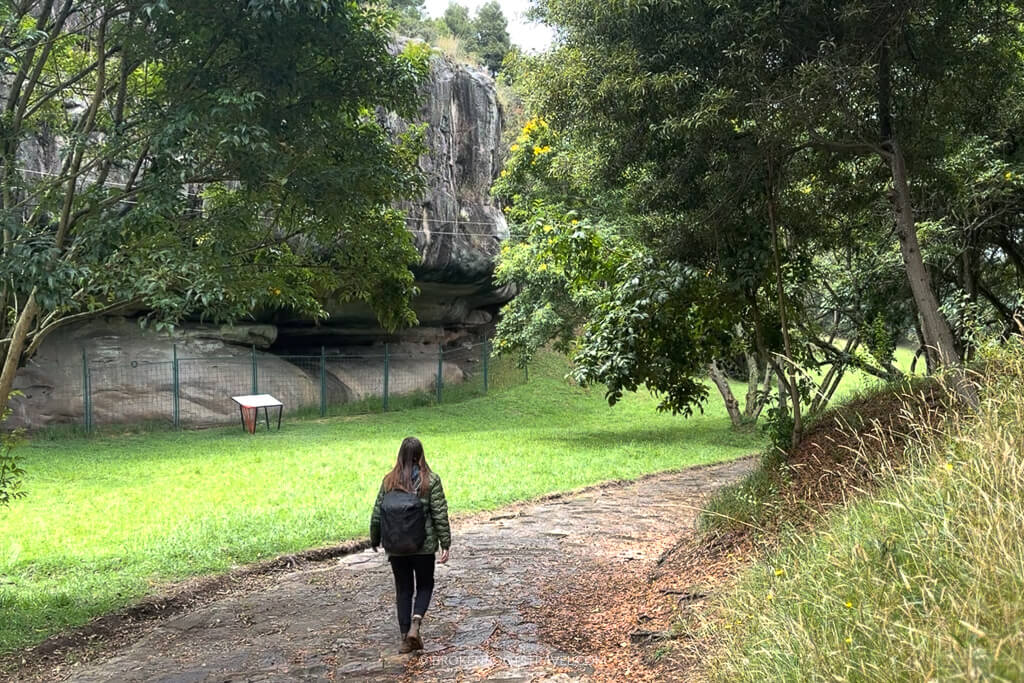
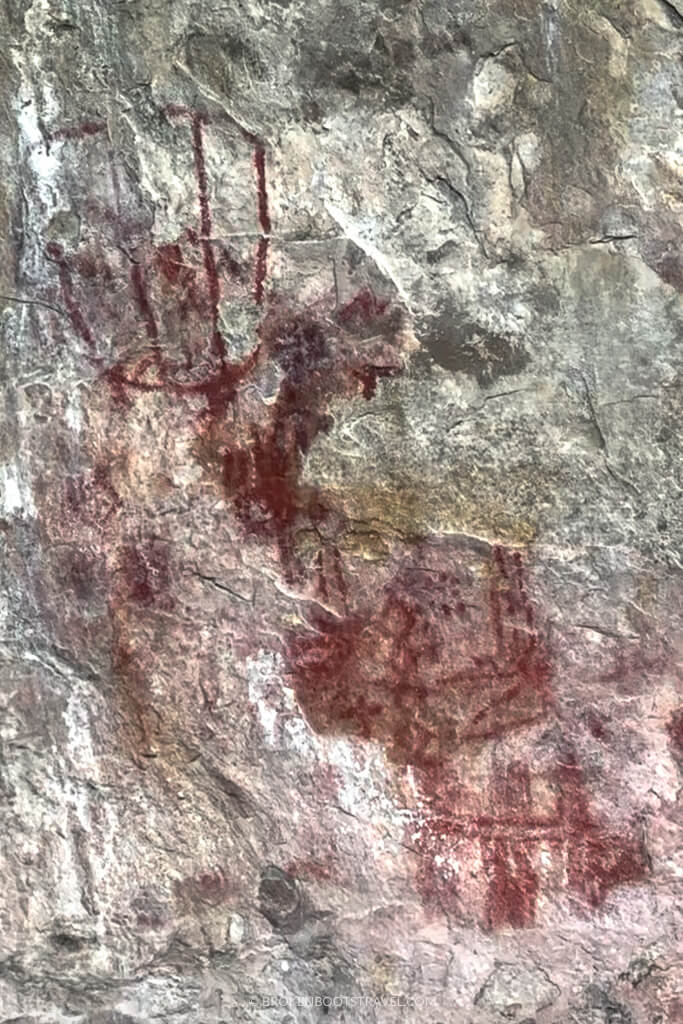
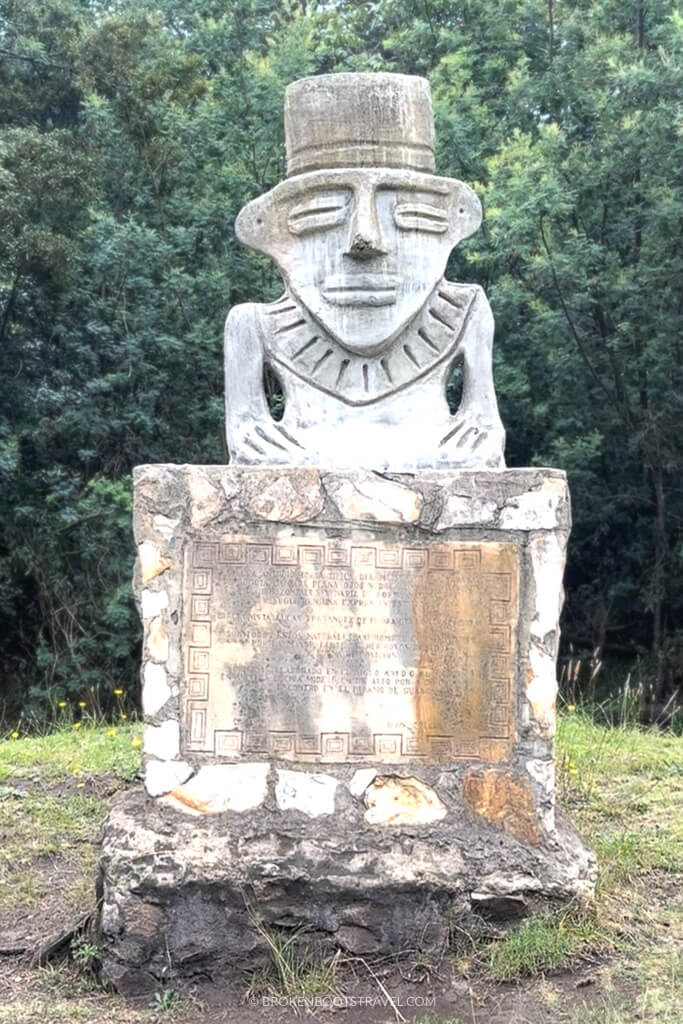
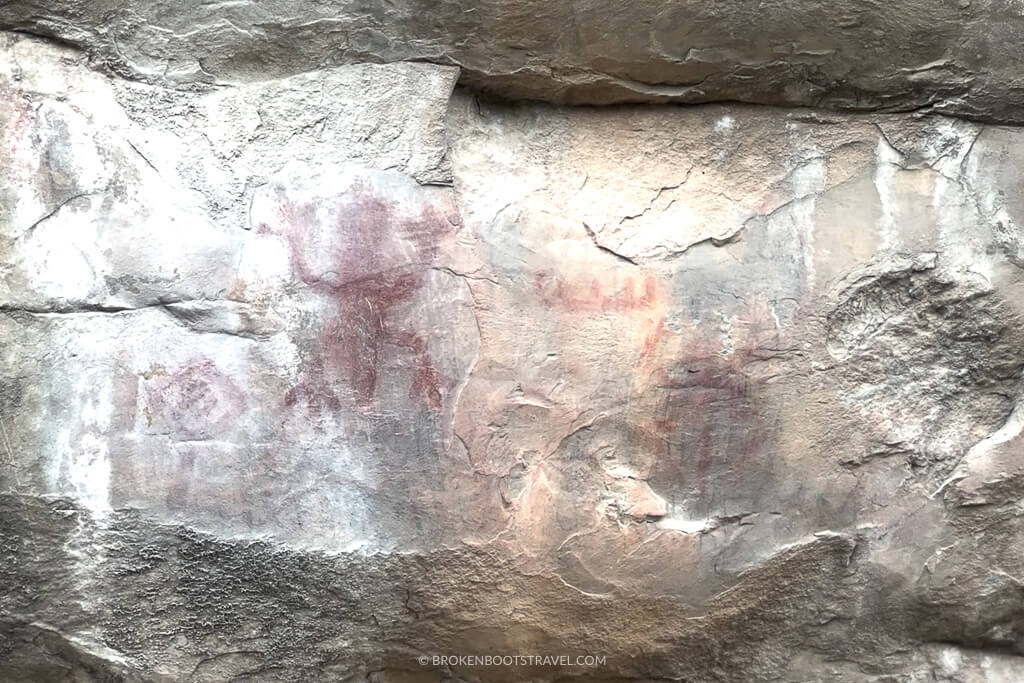
The Las Piedras del Tunjo Archeological Park is home to some of the oldest pictographs in Colombia. Created by the Muisca indigenous people, these pictographs are estimated to be over 10,000 years old – some of the oldest in the country.
The park is home to a number of rock formations, which held significant meaning in Muisca cosmology. According to legend, the Origin Mother Bachué was born from a lake in nearby Boyacá, carrying a child in her arms. When he was grown, the two married, and traveled around the region populating the earth. The Muisca people believed she traveled around this area, and her footprints can be found on many of the rocks.
Another story says that the rocks in the region were placed by the devil, who enjoyed playing tejo on the Altiplano Cundiboyacense. This Colombian sport involves throwing a heavy metal disk (the tejo) down a court into a pit of clay, but according to the legend, the devil enjoyed playing the sport with boulders, which now rest in the archeological park.
The park is located right outside the town of Facatativá, about an hour west of Bogotá. If you have time after exploring the park, there are actually quite a few tejo courts in town, so you can try your own hand at the sport!
Weather at Las Piedras de Tunjo
Las Piedras del Tunjo Archeological Park is located in Facatativá, west of the city of Bogotá. The weather in the town is noticeably drier than Bogotá, which makes it feel slightly warmer, with temperatures ranging around 65-70 degrees daily. However, cloud cover and rain are still common, so pack accordingly and come prepared for changing mountain weather!
How to Visit Las Piedras de Tunjo
Facatativá is located about an hour west of Bogotá, easily accessible by public transportation. To get to town, first take a bus from Bogotá’s Terminal Salitre to Facatativá, costing around 10,000-15,000 COP ($3-$5 USD). You can also take Transmilenio to Facatativá, which departs from Portal 80. Click here to find available buses on Busbud.
From the bus stop on the main road of Facatativá, you can walk to the Piedras del Tunjo Archaeological Park (about 25 minutes) or hop in a quick taxi to the park (around 5 minutes).
Recommended Tours of Las Piedras de Tunjo
I highly recommend visiting Las Piedras de Tunjo with a local guide to make the most of the history of the park. Here are some of my top recommended tours.
🗿 Full Day Tour to Facatativá and Zipacón – Explore the history of the Bogotá savannah on this full-day tour through the region’s most emblematic destinations – the petroglyphs at Facatativá, the historical town center, and the nearby colonial town of Zipacón.
🪨 Visit to Facatativá Archaeological Park with Sebastian Cardona Sierra – Archeology lovers will enjoy this private tour to Las Piedras de Tunjo with Sebastián Cardona Sierra, creator of Arqueolombia, the first TV series on Colombian archaeology.
6. Chingaza National Park
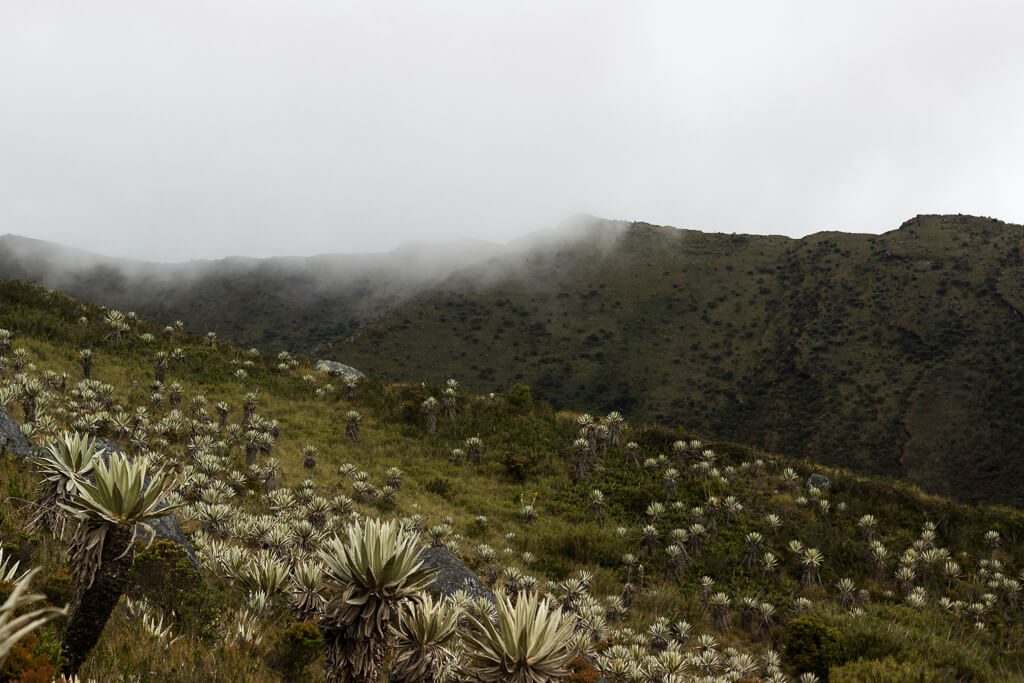
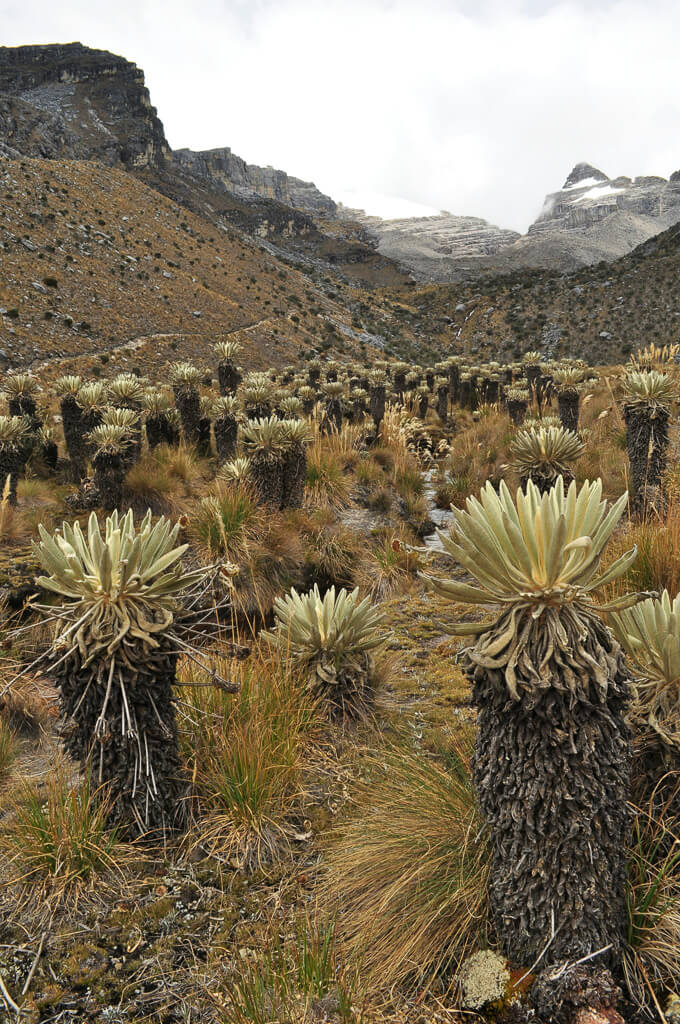
Chingaza National Park is one of the most stunning landscapes in Colombia, home to some of the most untouched wildlife in the country. The páramo landscape is unique to this region, a terrain just above the tree line but below the snow line.
The result is a stunning alpine ecosystem spotted with frailejones, an alpine shrub notable for its slow growth and thick trunks. The plants get their names as they stand tall and solitary like a fraile, or monk in a grey habit. These days, the plants are one of the most iconic symbols of Colombia, and especially this region.
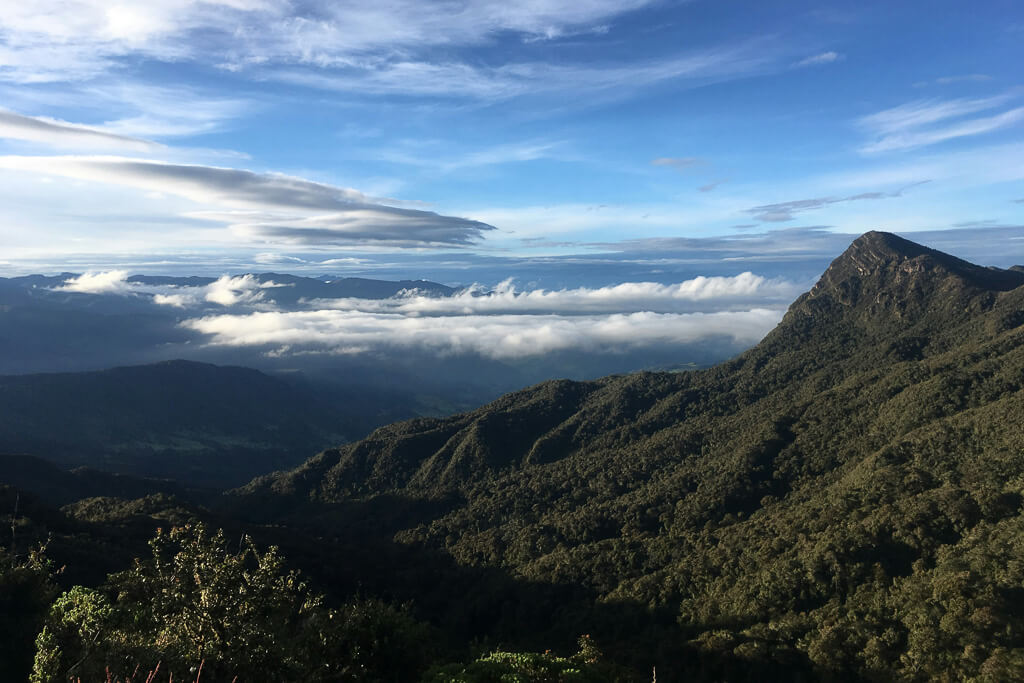
Chingaza National Park is also known for its wide variety of plant species, due to the surrounding cloud forest that provides natural moisture. It’s one of the best places to learn about the biodiversity of the region, and nature-lovers will revel in the unique plantlife available at every turn. The indigenous people of this region believed the region held deep wisdom and secrets, which you can certainly feel as you explore.
Because Chingaza National Park is protected land, you cannot enter the park without a guide. It’s recommended to book a visit far in advance, so if you’re interested in taking this day trip from Bogotá, I’ve included some of my top-recommended tours below.

Weather at Chingaza National Park
Chingaza National Park is located at nearly 4,000 meters above sea level, so temperatures in the park are quite cold, ranging from around 40-55 degrees daily. It’s important to be prepared for the cold on a visit to Chingaza National Park, with a proper insulated coat and a hat, gloves, and warm socks to protect your appendages. Chingaza is also a naturally wet ecosystem, so waterproof gear is recommended to keep you warm and dry.
How to Visit Chingaza National Park
You cannot visit Chingaza National Park without a guide, so you will need to book a guided tour. Most guided tours depart from Bogotá, though you can work with your tour operator if need be to provide transportation from other areas around Cundinamarca. Check out the next section for some of my top recommend tours of Chingaza National Park.
Recommended Tours of Chingaza National Park
Because of its unique ecosystem and historical significance, Chingaza National Park is protected land. Here are a few of my top recommendations for guided tours!
Chingaza National Park Eco Tour – Explore Chingaza National Park on a guided tour of the Rincón del Oso Trail. This 3-3.5 hour hike passes through some of the most incredible landscapes in the country, where you’ll have a chance to learn about the biodiversity of the region with your guide.
Private Tour to Chingaza National Park – This private guided tour of Chingaza National Park has a focus on the biodiversity and importance of the region, including its vital role as a major water source for Bogotá. This tour also includes a stop at the Chuza Reservoir.
Chingaza: The Mountain of Water Tour – This tour to Chingaza National Park includes a focus on the native cultures, wildlife, and plants of the region. The tour also includes a stop at the municipality of La Calera on the way, known for it’s stunning views and delicious arepas boyacenses!
7. Tequendama Falls
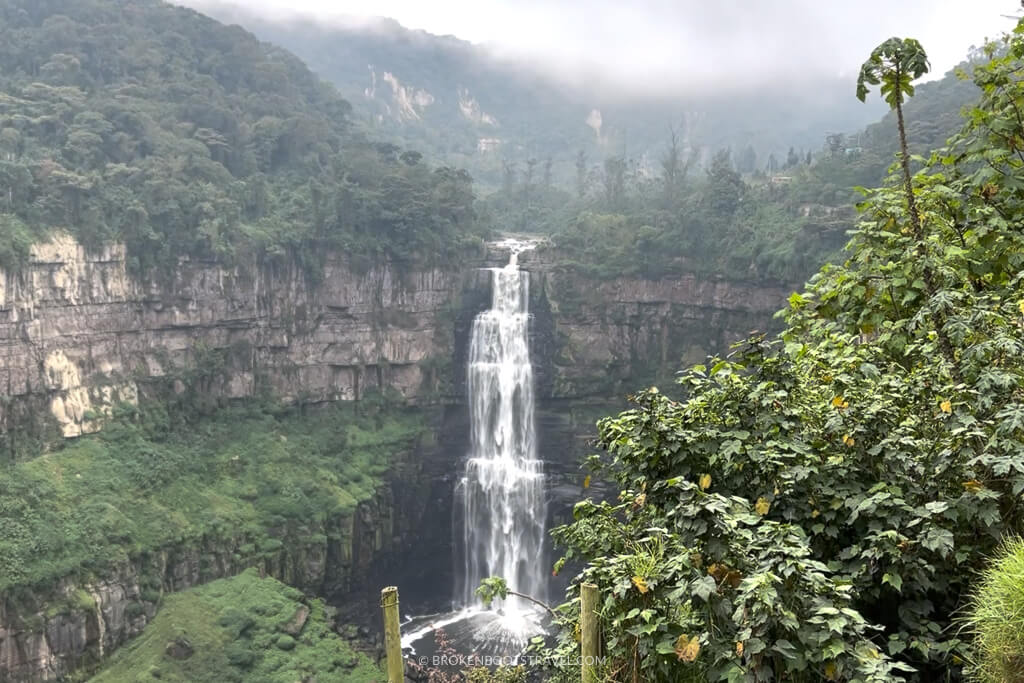
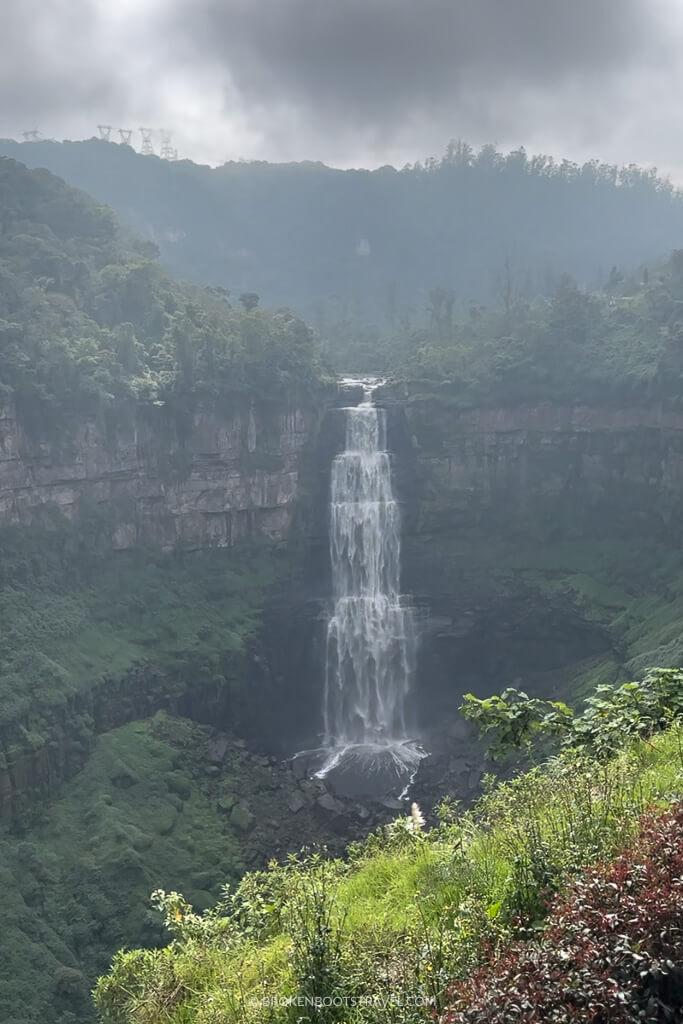
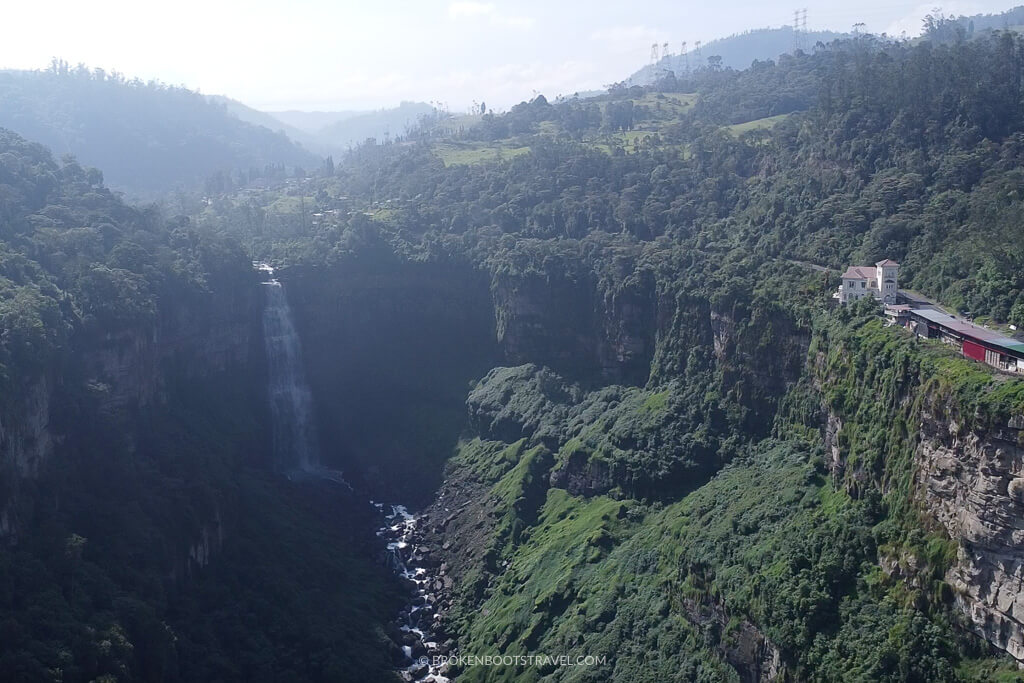
Tequendama Falls is truly a sight to behold – a stunning, towering waterfall plummeting into a vast canyon. It’s a sight of great natural beauty as well as deep historical significance, and located just south of Bogotá, making it one of the easiest day trips from the city.
Local Muisca legend says that Tequendama Falls was created by Bochicha, the founding hero of the Muisca civilization. Bochicha taught the people ethical and moral norms, as well as practical skills like agriculture and metalworking. However, when the people turned from the teachings of Bochicha, a flood engulfed the savanah of Bogotá. After the people appealed to Bochicha, he used his staff to break open a large rock, creating the canyon and releasing the water – now Tequendama Falls.
Another legend says that the site was home to a number of indigenous suicides during the colonial era, as the conquistadors violently worked to wipe out communities in the region. However, it is said that those who jumped to their deaths from the falls were turned into eagles on the way down, their souls finally set free.
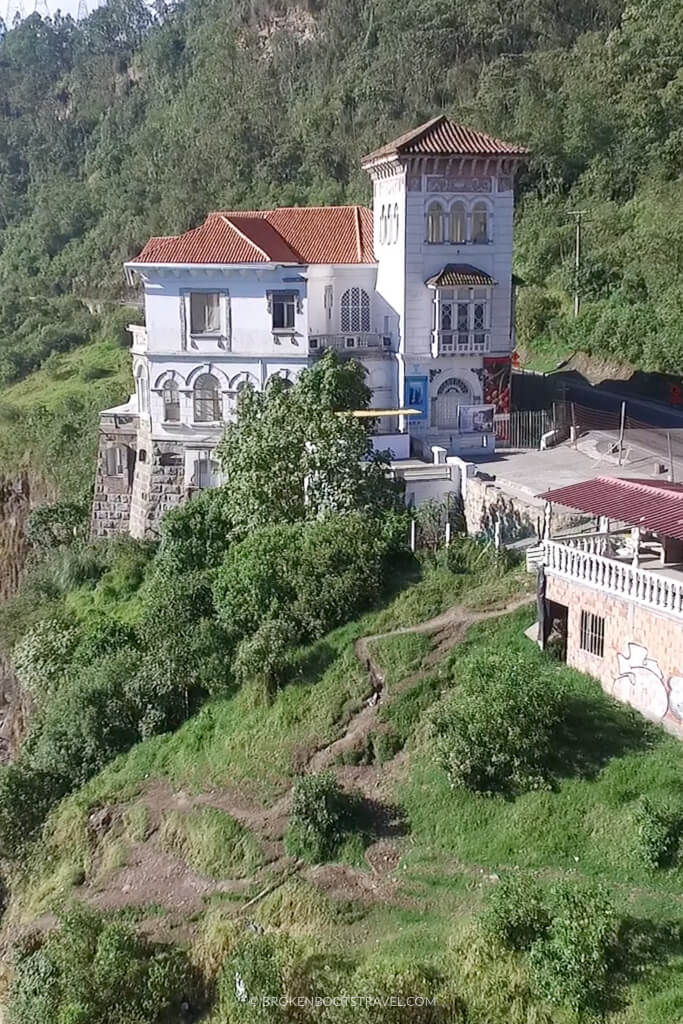
There are various viewpoints along the falls where you can enjoy a coffee and empanada while taking in the epic views of Tequendama. The site is also home to a small museum, the Casa Museo Salto de Tequendama, located in a restored mansion by the side of the canyon. NOTE: The museum is only open on weekends and holidays, from 9AM to 4PM.
Weather at Tequendama Falls
Tequendama Falls is located just south of Bogotá in the municipality of Soacha, so weather in the region is quite similar to that in the city, ranging around 55-65 degrees. However, due to the high humidity and canyon landscape of the region, rain and overcast skies are common, so it’s important to come prepared for wet weather.
How to Visit Tequendama Falls
Tequendama Falls is located just outside the city limits of Bogotá, so it’s easy to visit with public transportation. First, take Transmilenio to the San Mateo Station. From here, you can catch a local colectivo along Autopista Sur to Tequendama Falls. The colectivos will be marked “Charquito” or “Salto de Tequendama,” but make sure to ask to be sure.
Alternatively, you can take a bus from Terminal Salitre towards the town of Mesitas, and ask the driver to be dropped at Salto de Tequendama on the way. From the waterfall, there are regular buses and colectivos that pass by returning to Bogotá.
Recommended Tours of Tequendama Falls
I highly recommend traveling with a guide to Tequendama to learn more about the indigenous significance of this region. Here are some of my top-recommended tours.
Tequendama Falls and Coffee Hacienda Tour – This full day tour takes visitors to Tequendama Falls, where they’ll have a chance to admire the views and learn the history of the region. The tour then visits a local coffee finca, Hacienda Coloma, where you’ll get to try your hand at coffee production!
Coffee Farm and Salto de Tequendama Tour – Enjoy a trip through the diversity of the Bogotá savannah on this tour, which includes a visit to Tequendama Falls as well as a local coffee farm. You’ll even get the chance to try a little coffee liquor at the end of your visit!
8. Nemocón Salt Mine
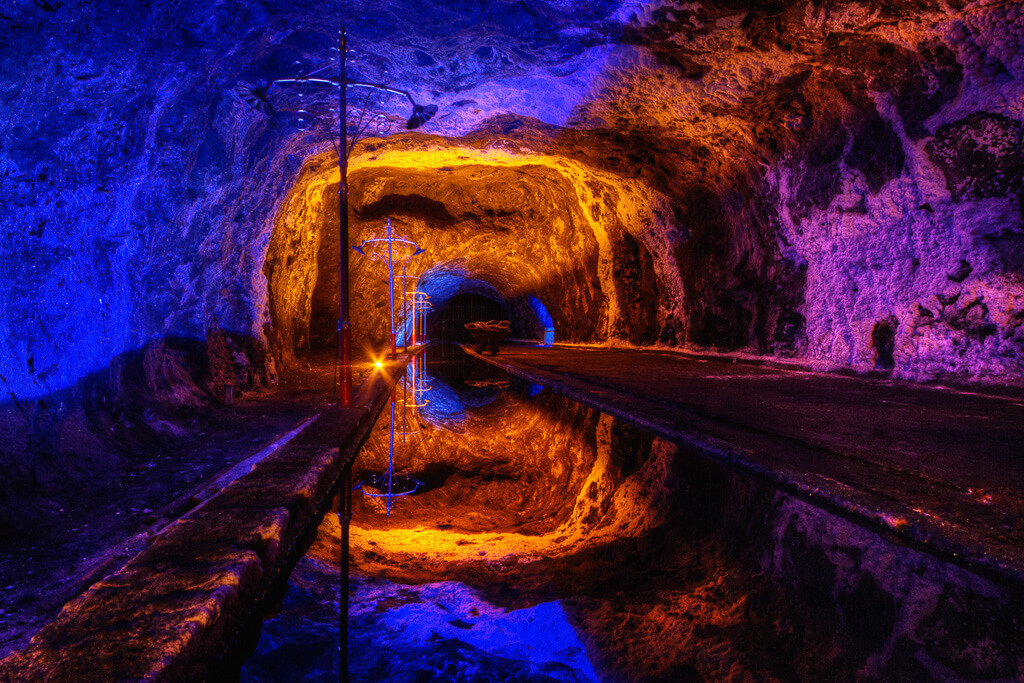
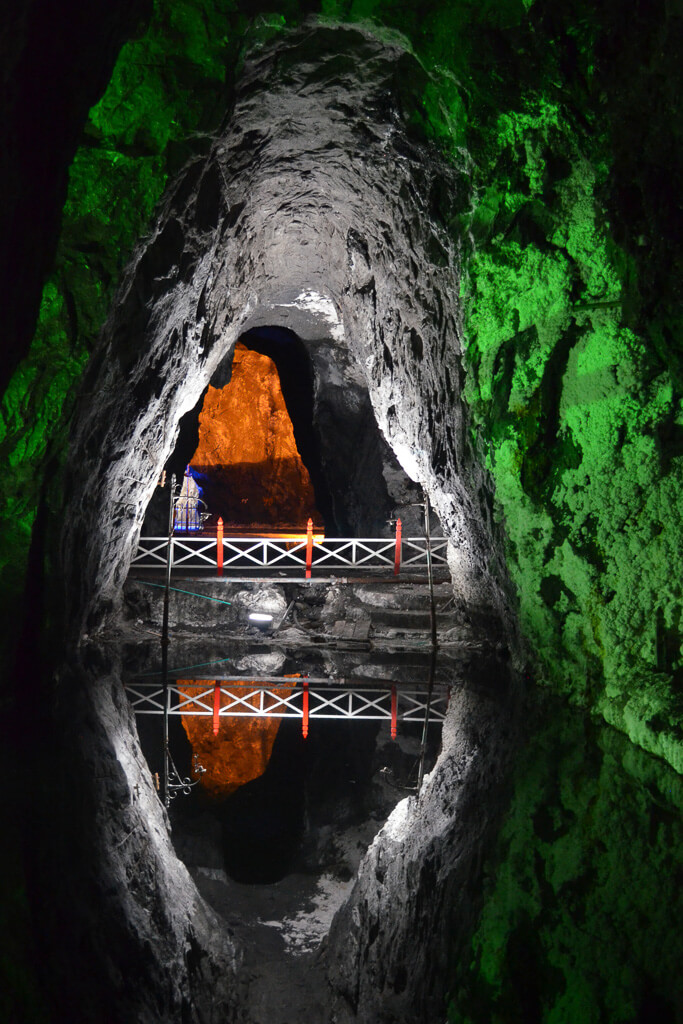
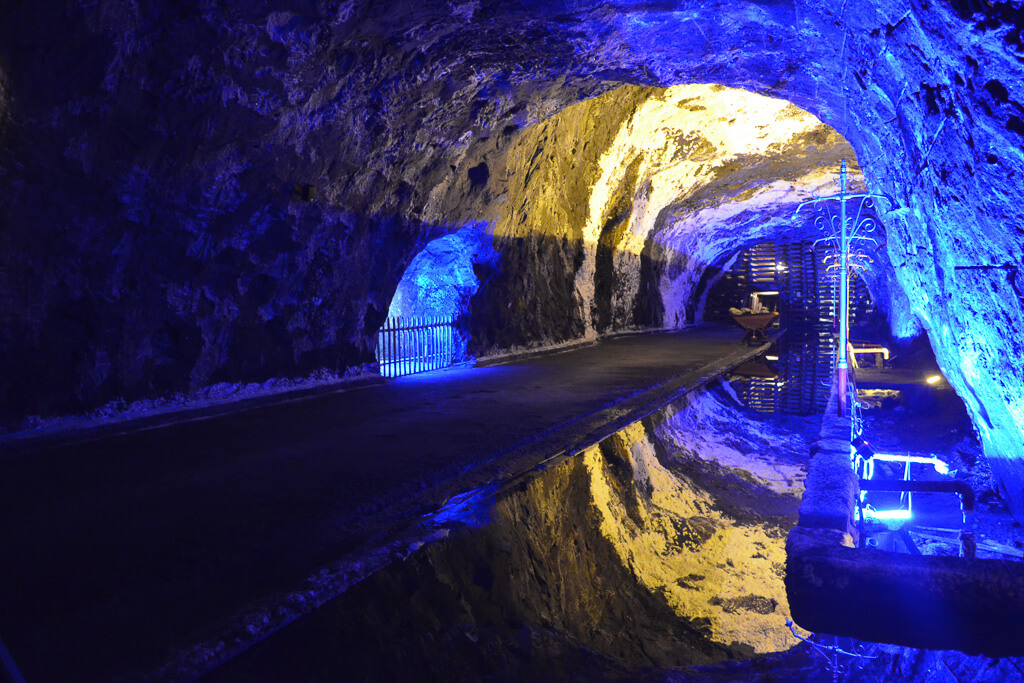
If you’re looking to dive even deeper into the salt-mining history of the region, Nemocón Salt Mine is one of the most unique day trips from Bogotá. With over 1,600 meters of tunnels to explore, the mines are home to centuries of history, extracting nearly eight million tons of salt over a 200-year period.
The Nemocón Salt Mine is home to some of the most striking natural features you’ll find in Colombia. Located over 80 meters underground, the site is home to 28 brine pools, which dissolve the surrounding salt rocks to create unique formations and even optical illusions.
Many artists have also taken to the mines as a source of inspiration. Within the mines you’ll find numerous sculptures and pieces of art. One of the most notable is La Cámara del Palpito, a massive salt rock carved into the shape of a heart.
While similar in many ways to the famous Zipaquirá Salt Cathedral, Nemocón Salt Mines offers visitors a more authentic, educational experience. Tours are focused on the history and scientific wonders of the region, plus tour packages are more affordable and generally less crowded. It’s the perfect day trip if you’re looking for a more authentic look into the salt-mining history of the region.

Weather at the Nemocón Salt Mine
The Nemocón Salt Mine is located in the town of Nemocón, to the north of Bogotá. The town itself has temperatures similar to the capital city, ranging around 55-65 degrees daily. However, temperatures are much cooler within the salt mine, ranging in the mid-50s year-round. I recommend bringing a compact coat to throw on once heading into the mines to stay warm deep underground!
How to Visit the Nemocón Salt Mine
Nemocón is located just over an hour north of Bogotá, making it easy to visit independently. First, take a bus to Nemocón from the Terminal Salitre in Bogotá to Nemocón. The trip usually costs around 8,000-12,000 COP ($2-$3 USD). The bus usually drops passengers in the Parque Principal of Nemocón, where it’s only a short walk to the entrance to the mines.
Recommended Tours of the Nemocón Salt Mine
Here are some of my top-recommended tours to explore the Nemocón Salt Mine (and some other hidden gems in the area!)
Zipaquirá and Nemocón Salt Mines Tour – Explore both of Colombia’s most famous salt mines on this day tour, which takes visitors to both the Salt Cathedral in Zipaquirá and the winding tunnels of Nemocón.
Nemocón Salt Mines and Andrés Carne de Res Tour – Explore the stunning tunnels of Nemocón Salt Mines with a local guide, then finish the day with a hearty meal at Andrés Carne de Res, one of the most famous restaurants in Colombia! Please be aware, this is a half-day tour.
Group Tour of Nemocón Salt Mines – Join a small-group for an extensive tour of the Nemocón Salt Mines. This tour includes a visit to the mines as well as the on-site museum, where your guide will tell you local legends and stories of this mysterious site.
9. Villeta and Bocatoma
Villeta is a town located to the west of Bogotá, notable for its warm weather and abundant panela production. A visit to this town is one of the best things to do near Bogotá, but still relatively-off the tourist radar (which makes it even better in my opinion!)
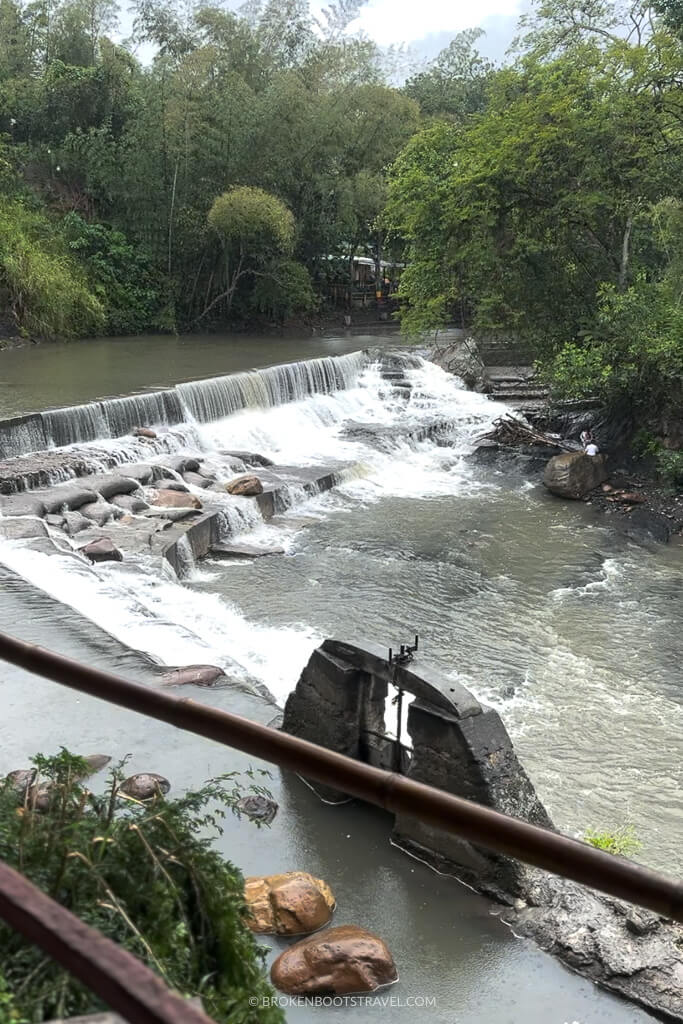
Villeta is home to a number of waterfalls and swimming holes to enjoy on a hot day. The best one is Bocatoma, a wide waterfall with deep water perfect for cooling off. There are plenty of bars and restaurants along the river where you can sip on a cold beer or snack or warm up after your swim with a fresh cup of coffee.
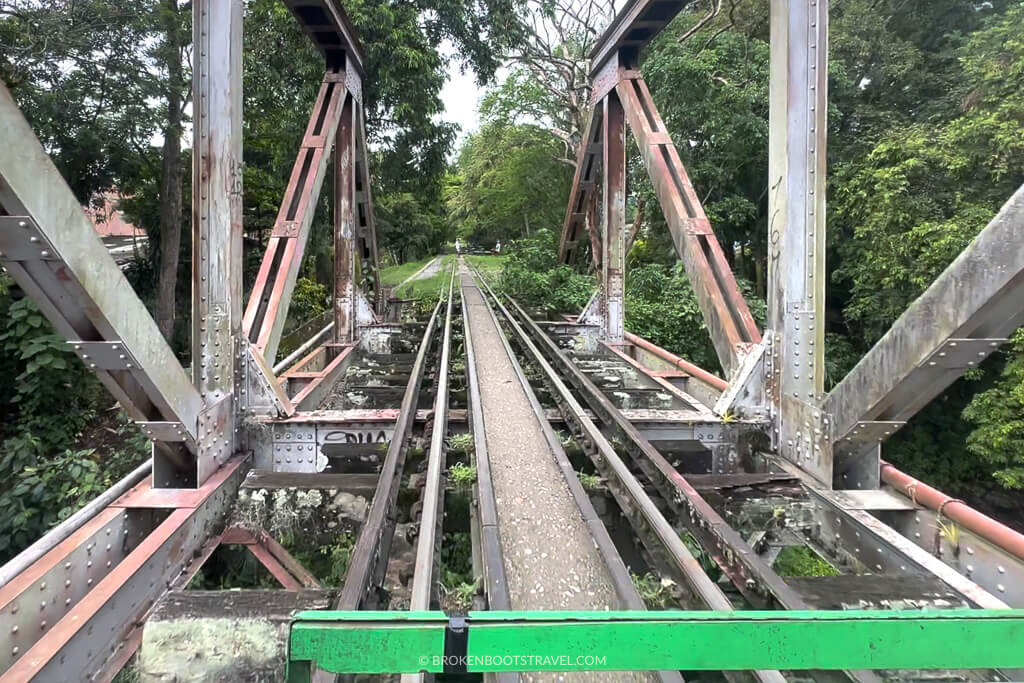
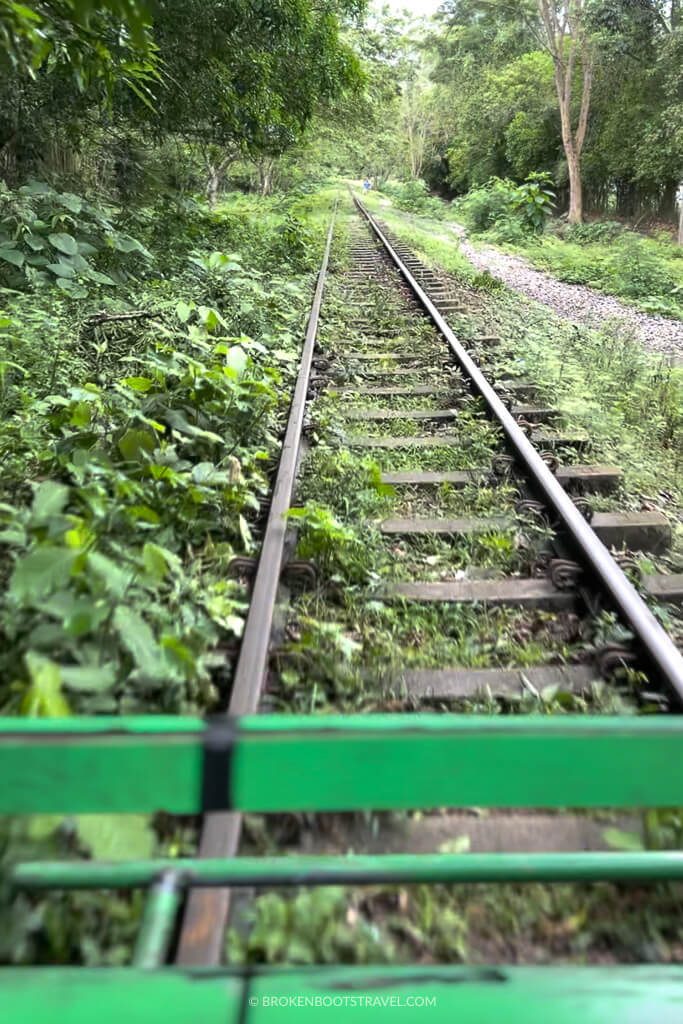
There are a couple options to get to Bocatoma, but I highly recommend taking the old train line. Locals have built motorcycle-operated carts that run along the tracks, which transport you through the jungle all the way to Bocatoma! It’s truly a breath-taking experience, long before you even get to the swimming hole!
QUICK TIP: If you happen to be visiting the region in January, you have to pay a visit to the National Panela Festival. This is one of the best celebrations in the country, celebrating the rich (and sweet!) history of the region with parades, dances, and even a crowning of the Panela Queen!
Weather in Villeta
Villeta is known to be much warmer than Bogotá, its tropical climate a major contrast to the chilly temperatures of the city. With average temperatures ranging around 80-90 degree daily, it’s the perfect place to visit if you need a break from the cold.
Villeta is known for its swimming holes, so make sure not to forget your swimsuit and sunscreen when prepping for your trip!
How to Visit Villeta and Bocatoma
Villeta is located about 2 hours from Bogotá. To get to the town independently, first you’ll need to take a bus from Bogotá’s Terminal Salitre to Villeta, which usually costs around 25,000-35,000 COP ($6-$9 USD) each way.
The town is small and walkable, so it’s easy to explore on foot for the day. To get to Bocatoma from Villeta, the best way is to take the ride along the old train tracks. You can catch the cart from this point in the south of town. Tickets usually cost around 5,000-8,000 COP per person each way, depending on how many travelers are in your group.
If you’d rather not take the train tracks, you can charter a taxi from the center of town to take you to Bocatoma along the proper road. The ride takes about 15 minutes.
Recommended Tours of Villeta and Bocatoma
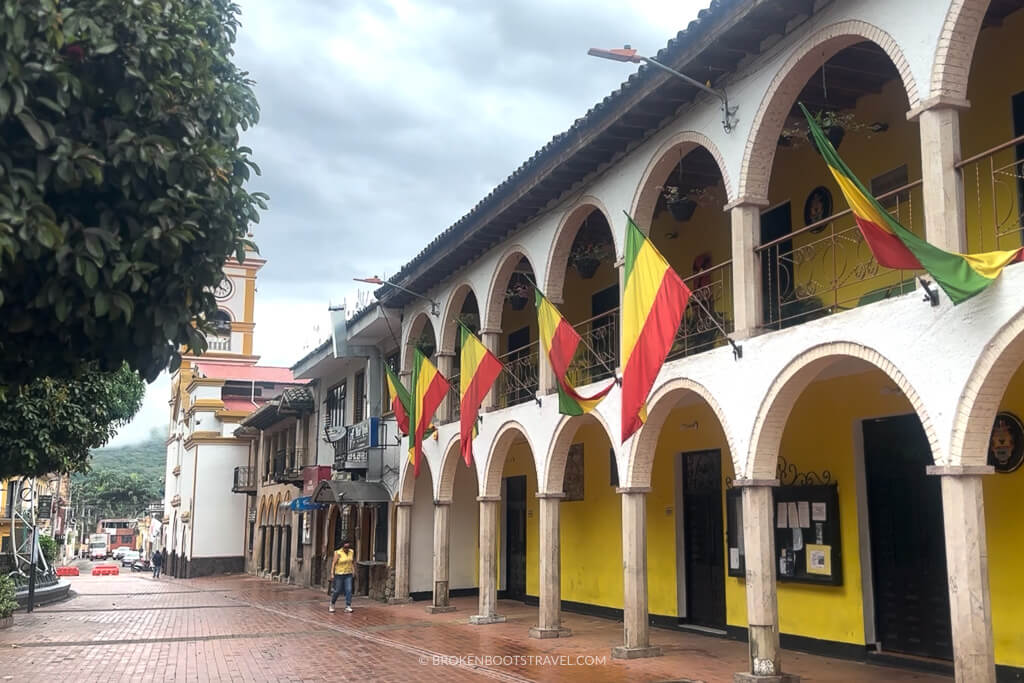
Villeta is still a day trip from Bogotá that’s a bit off the beaten path, so day tours to the town are limited. I recommend renting your own car to make the most of your day to Villeta and explore the surrounding region.
Many fincas in the area also offer agricultural tourism to learn more about the production and history of panela in the region. Trapiche Los Abuelos offers walking tours to visitors to learn more about panela production (and sample some along the way!)
10. Ráquira
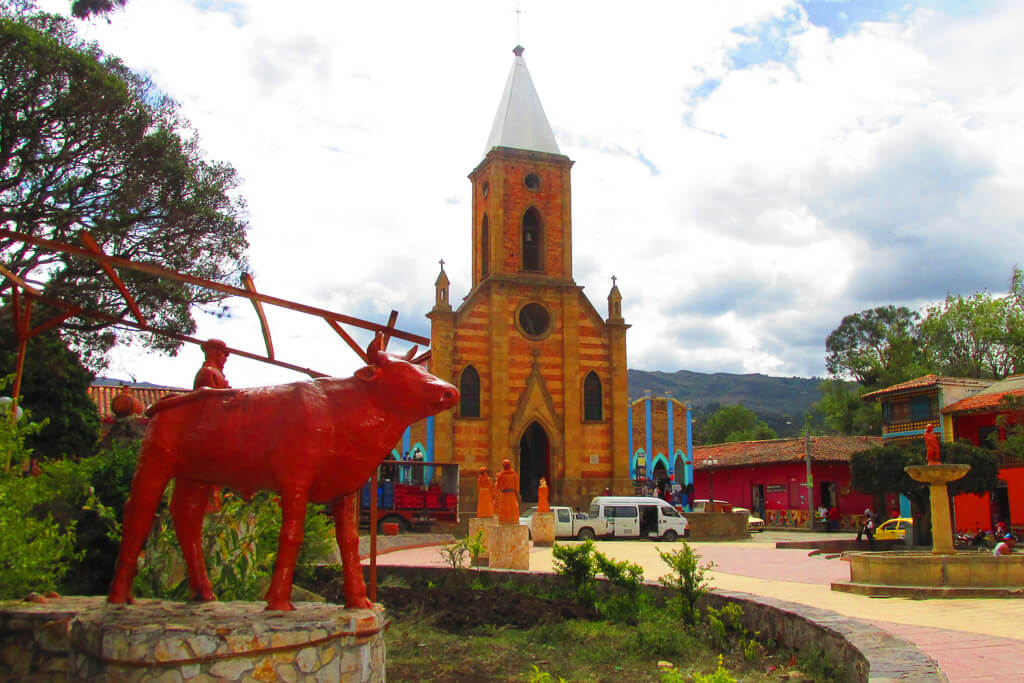
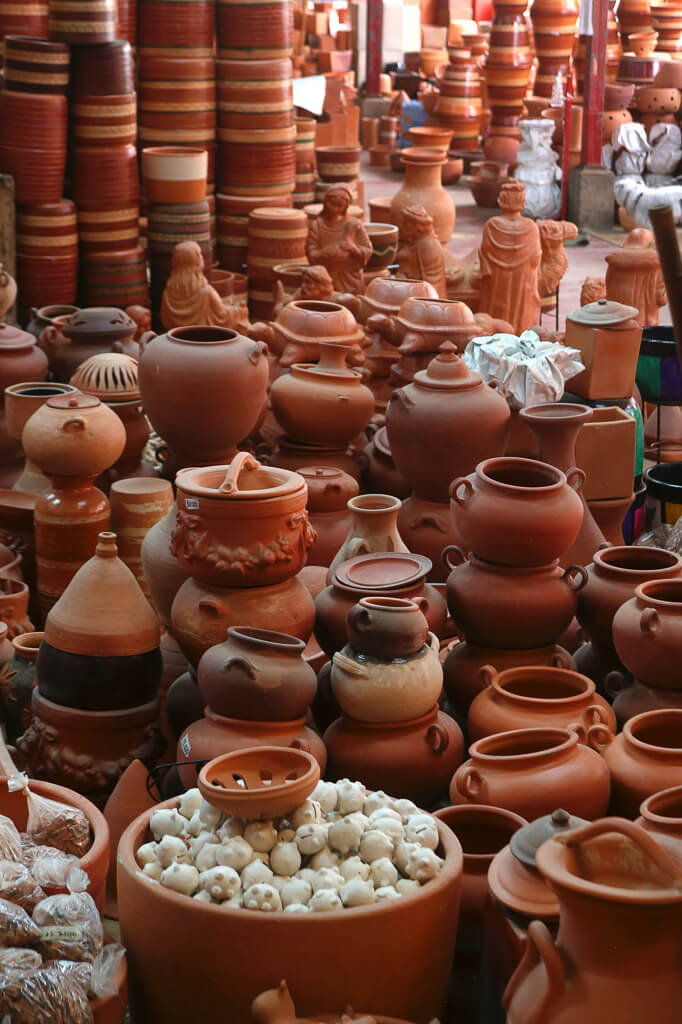
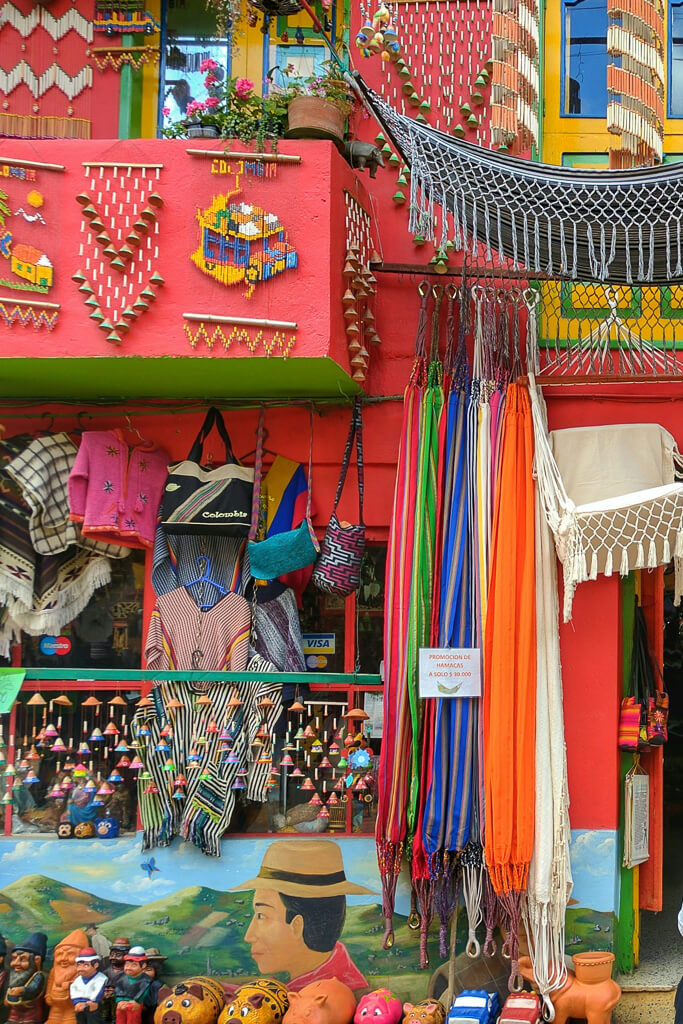
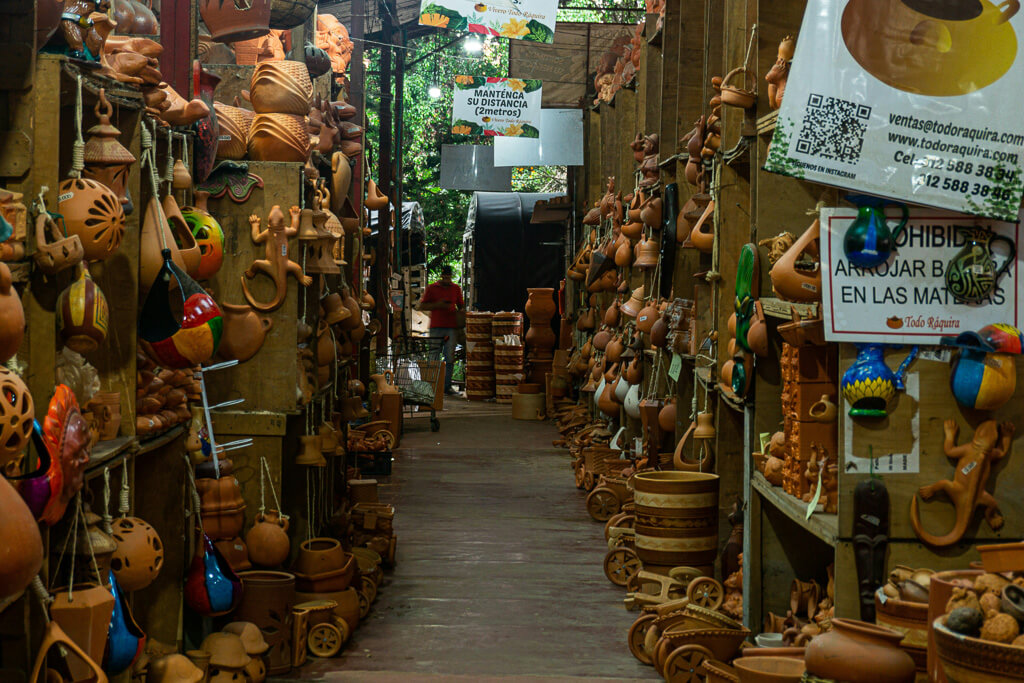
The town of Ráquira, Boyacá is known throughout the country for its distinct earthenware pottery. You’ll probably spot Ráquira pottery throughout the country, notable for its red-clay, but there’s no better place to experience it than the “cradle of Colombian handicrafts” itself. After all, the name Ráquira literally means “City of Pots” in the local indigenous language!
The town of Ráquira is lined with pottery shops, where you’ll have the chance to speak with local artisans and even watch the pottery being made. It’s also one of the best places to pick up a souvenir to bring home, from hand-painted wind chimes to one of the iconic red-clay piggy banks you’ll find all over Colombia!
The town of Ráquira is also a look into life in the altiplano cundinaboyacense, home to a number of colorful traditional buildings, quaint shops, and delicious places to sample the local food of the region. Grab an arepa boyacense off the central plaza or sip on a cup of coffee to warm up from the inside out – this region isn’t called the capital del frío for nothing!
Weather in Ráquira
Weather in Ráquira is slightly warmer than Bogotá, ranging around 65-75 degrees year-round. However, its Andean climate means the weather changes quickly, so I highly recommend packing layers for your trip to Ráquira, as evenings and early mornings can be quite chilly.
How to Visit Ráquira
Ráquira is located about 4.5 hours north of Bogotá, so I recommend leaving early to make the most of your day. To visit via public transportation, first take a bus from Bogotá’s Terminal Salitre, which usually costs around 35,000-45,000 COP ($9-$11 USD) each way. The bus will drop you at the Terminal Municipal de Ráquira, from which you can easily explore the town on foot.
Alternatively, some travelers choose to stop over in the city of Tunja on the way to Ráquira. This could be a good option if you have more time, or if buses are limited.
Recommended Tours of Ráquira
Ráquira is a popular day trip on its own, though often combined with a visit to nearby Villa de Leyva. Here are some of my top-recommended tours of the region.
Ráquira Colors and Culture Tour – Explore Ráquira on this full-day tour from Bogotá. This tour includes a visit to town, where you’ll have a chance to meet local artisans, as well as a traditional lunch and photo stop at a beautiful viewpoint.
Ráquira, Villa de Leyva, and Pozos Azules Tour – Explore both Ráquira and Villa de Leyva on this day tour, which includes a visit to both colonial towns, as well as a delicious visit to the Chocolate Museum and an outdoor adventure at Pozos Azules.
From Villa de Leyva: Guided Tour to Ráquira with Lunch – Staying in Villa de Leyva? This day tour to Ráquira includes the best of the town, a visit to artisan workshops, a traditional Colombian lunch, and a visit to El Pueblito de Barro, the perfect Instagram spot!
Why Take a Day Trip from Bogotá?
Colombia’s capital city is often seen as a stop-through destination, but I want to encourage you to dive deeper into the stories, history, and beauty of this region if you have the time.
While Bogotá is a bustling, metropolitan city, the mountains that surround it are home to some of the most profound stories in the country, from indigenous histories to natural wonders. To visit the region and only see Bogotá would be to miss a major chapter in the story of Colombia, which is why I encourage you to explore these day trips to connect more with this region and it’s history.
Wherever you decide to go, please remember to travel responsibly and with respect to the many people who have called this region home for centuries. From the cloud forests of the páramos to the thundering waterfalls, every corner of this region holds a history much bigger than we can even imagine.
Want to explore more of Colombia? Check out all my Colombia articles here, or dive deeper into regions like the Caribbean coast or the Afrocolombian Pacific. Or if you love day trips, I’ve also written guides to the best trips from some of Colombia’s favorite cities, including Cali, Cartagena, and Medellín!
Wherever you visit in Colombia, you’re sure to mind magic. Did I miss your favorite day trip from Bogotá? Let me know in the comments below!
Love stories? Subscribe to my newsletter to get my latest updates delivered straight to your inbox every month. One email a month + no spam? Sign me up!


Virginia Taylor (Ginna) is a travel writer and photographer exploring the world until her boots wear through. She’s currently on a mission to explore all 32 departments of Colombia, though she formerly called the Middle East home. Want to know more? Visit the About Page.